
Hormuz Strait Crisis: Britain Rallies Coalition of 40 Countries without the US
Britain is taking aggressive diplomatic action by leading a virtual meeting involving around 40 countries on Thursday (2/4/2026). The meeting aims to formulate strategies to reopen the Strait of Hormuz, the world’s most crucial waterway, which is currently under a de facto blockade by Iran.
This blockade is a fallout from the United States and Israel’s attack on Tehran on 28 February. As a result, the distribution of 20 percent of the world’s oil and liquefied natural gas (LNG) supplies has halted, triggering a surge in global crude oil prices to over US$100 per barrel, a rise of about 40 percent since the war broke out.
The most striking aspect of this meeting is the absence of the United States. US President Donald Trump has explicitly stated that reopening the strait is not his country’s responsibility. In a social media post, Trump mocked his allies, including Britain, whom he believes are reluctant to engage directly in military operations against Iran.
“You must start learning how to fight for yourselves. The US will not be there to help you anymore. Go get your own oil!” Trump wrote in his controversial statement.
British Foreign Secretary Yvette Cooper led the video conference, which was attended by major countries such as France, the Netherlands, Germany, Italy, Canada, Australia, and the United Arab Emirates. European countries that were previously hesitant have now decided to join due to the mounting economic pressures from the energy price surge.
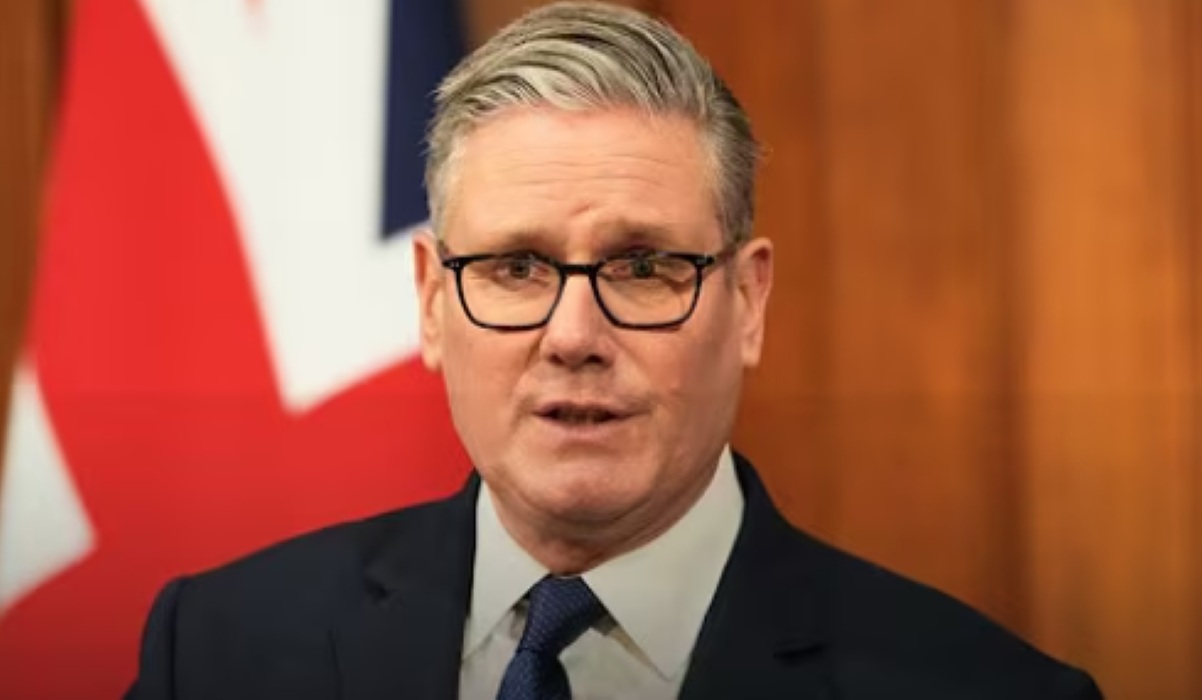
British Prime Minister Keir Starmer emphasised that the main agenda of the meeting is to assess all possible diplomatic and political steps to restore freedom of navigation. “We will also deploy military planners to see how we can assemble capabilities to ensure the strait is accessible and safe once the fighting stops,” Starmer said.
This coalition plan includes two main phases:
Although this coalition has formed, the challenges on the ground are very severe. Iran currently only allows ships from countries it considers friendly, such as China, Malaysia, Pakistan, and India, to pass through. Media reports indicate that the Islamic Revolutionary Guard Corps (IRGC) has been operating a toll gate system to control ship traffic.
Ian Lesser, an expert from the German Marshall Fund, assesses that the prospects of this coalition remain doubtful without a negotiated agreement with Iran. “Reopening the strait by force would require cooperation between the US and European allies. Ideally, Starmer’s coalition would operate alongside US forces, not replace them,” he explained.
This crisis places Britain in a difficult position: attempting to demonstrate leadership in front of European allies while maintaining relations with the increasingly isolationist Trump administration, amid the threat of global economic paralysis due to the halted energy flow from the Gulf.