
Hormuz Crisis: Persian Gulf oil production plummets nearly 7 million barrels per day
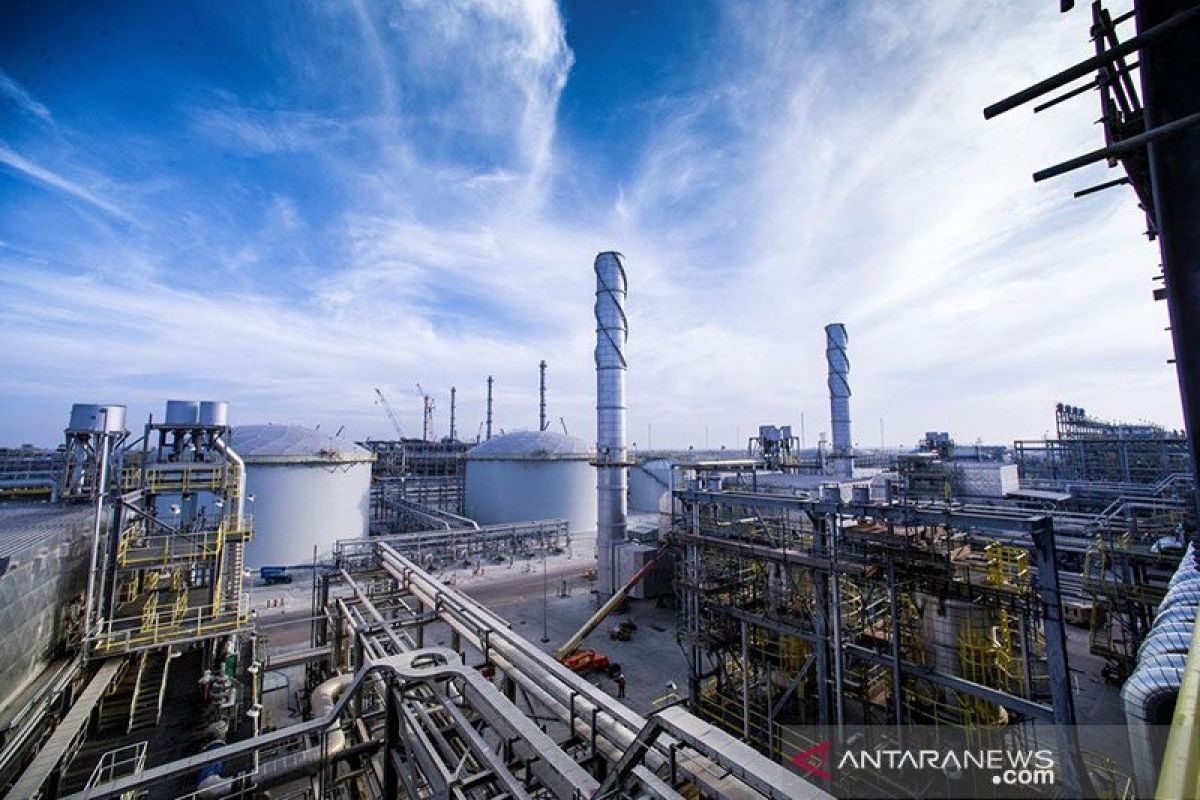
Moscow — Oil production levels across the Persian Gulf region have plummeted by nearly 7 million barrels per day (bpd) due to the crisis in the Strait of Hormuz, according to petroleum research organisation Argus.
Argus reported that Saudi Arabia, the United Arab Emirates (UAE), and Bahrain have followed Iraq and Kuwait in curtailing production because they cannot continue exports due to the closure of the Strait of Hormuz.
Production reductions have become necessary as existing oil storage facilities are reaching full capacity within a short timeframe.
As a result, Gulf nations have reduced their oil production by between 6.2 and 6.9 million bpd compared to February production levels, Argus stated.
Saudi Aramco, Saudi Arabia’s state-owned oil company, has suspended operations at the offshore oil fields of Safaniya, Marjan, Zuluf, and Abu Safa, according to several sources. Argus estimates this has resulted in production falling by approximately 2 to 2.5 million bpd.
According to other sources, Iraq’s oil production, which reached 4.42 million bpd in February, has fallen to 1.5 to 1.7 million bpd by 8 March, and is expected to continue declining to 1.2 to 1.3 million bpd.
Kuwait’s oil company KPC announced on 7 March a reduction in oil production and refinery usage rates. KPC declared force majeure regarding the shipment of its crude oil products, according to an announcement obtained by Reuters.
Kuwait’s oil production dropped from 2.59 million bpd in February to 2 million bpd currently, and is expected to continue declining to 1.5 million bpd owing to reduced refinery capacity, according to sources speaking to Argus.
ADNOC, the UAE’s national oil company, announced on 7 March it was operating normally by utilising alternative export options to address product shipment issues caused by the Strait of Hormuz crisis.
However, Argus sources believe UAE oil production has fallen to between 2.7 and 3 million bpd compared to February production levels of 3.53 million bpd.
Bahrain’s oil company Bapco announced on 9 March force majeure at its refinery, according to reports from the national news agency BNA. Refinery capacity in Bahrain stands at 405,000 bpd.
On 28 February, the United States and Israel launched a combined attack against Iran, including Tehran, causing infrastructure damage and loss of life.
Iran subsequently launched retaliatory strikes against Israeli territory and US military bases throughout the Middle East.
The escalation in Iran has triggered a de facto blockade of the Strait of Hormuz, a critical shipping corridor for the export of oil and liquefied petroleum gas from Persian Gulf nations to world markets.
The shipping disruption has also impacted oil export and production levels across the Gulf region.