
Hormuz Conflict Drives Shift to Electric Vehicles
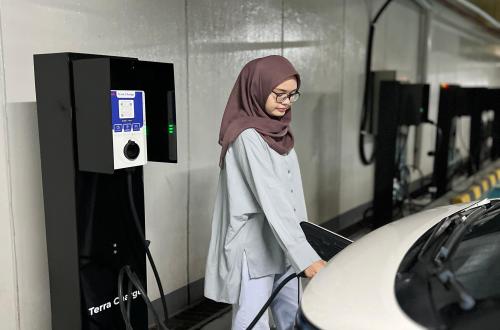
Indonesia’s Minister of Industry (Menperin) Agus Gumiwang Kartasasmita stated that tensions in the Strait of Hormuz are driving a shift in global consumer preferences towards electric vehicles. The government views this geopolitical dynamic as increasing energy risks while accelerating efforts to reduce dependence on oil-based fuels (BBM).
The Ministry of Industry, together with the Ministry of Finance, is discussing various stimulus and incentive measures to strengthen the manufacturing sector. These policies include promoting electric vehicles in response to changes in the global market direction.
“Yes, we have the data. According to the data I received from Gaikindo colleagues, since the Hormuz conflict occurred, the market orientation has switched to a greater focus on electric vehicles,” Agus said in Jakarta on Tuesday (5/5/2026).
The government assesses that electric vehicle policies now have broader relevance amid uncertainties in energy supply. In addition to reducing emissions, the policy direction is also linked to energy efficiency and controlling subsidy burdens.
Agus explained that electric vehicle incentives are one of the options being discussed in cross-ministerial coordination. These policies are aimed at strengthening the domestic industry while maintaining employment absorption.
“We have already discussed one of them, which is about incentives as a stimulus. If the government provides incentives for electric motorbikes or cars, this becomes even more relevant. Previously, before the lessons we must learn, we introduced policies more focused on using electric vehicles for emission reduction. Now, there is something more important than that, which is to reduce BBM usage more, meaning we can reduce subsidies,” he said.
In that meeting, the government analysed various challenges faced by industry players in the field. The results of the discussions form the basis for formulating more targeted stimulus and incentive policies.
Agus emphasised that the manufacturing sector remains the backbone of the national economy. Its performance shows a positive trend with an increasing contribution to gross domestic product.
“The contribution to GDP has risen year on year, and even last year’s manufacturing growth was recorded above the national economic growth, which had not happened for 14 years previously. This shows that the manufacturing sector is the most important sector for the economy,” he said.
The government is also monitoring the structure of national exports, which are dominated by manufactured products. Data shows that around 75 to 80 per cent of Indonesia’s exports come from this sector. However, the portion of manufactured output that is exported is still relatively limited, with about 80 per cent absorbed by the domestic market and around 20 per cent entering export markets.
“Our manufactured output has averaged only around 20 per cent exported so far. Eighty per cent consists of products absorbed domestically. We must be open without reducing and while still paying attention to and protecting the domestic market,” Agus said.
The government is wary of pressures on several industrial sectors such as automotive, textiles, and plastics. Global conditions are assessed to affect market demand as well as raw material supplies in the short term.