
Hormuz Blockade: How Long Can Iran Hold Out?
The US often combines strategic signals with deliberate ambiguity to limit room for manoeuvre,” explained Iranian expert Fatemeh Aman to DW. Aman previously worked at institutions including the Middle East Institute and the Atlantic Council in Washington. She referred to recent American media reports.
According to a Wall Street Journal report, US President Donald Trump is preparing a long-term blockade against Iran. Based on sources from government officials, Trump is said to have instructed his advisers. The aim is to maintain pressure on Iran’s economy, particularly oil exports, until Tehran makes concessions.
According to information from the US portal Axios, new military options against Iran are also being considered. On Wednesday (29/04), Trump warned Tehran’s leadership to “act rationally soon” and agree to a peace deal.
Iran is demanded to halt its nuclear programme, hand over around 400 kilograms of highly enriched uranium to the US, and reduce its regional influence. It remains unclear when the blockade of Iranian ports will be lifted.
Major pressure from the blockade
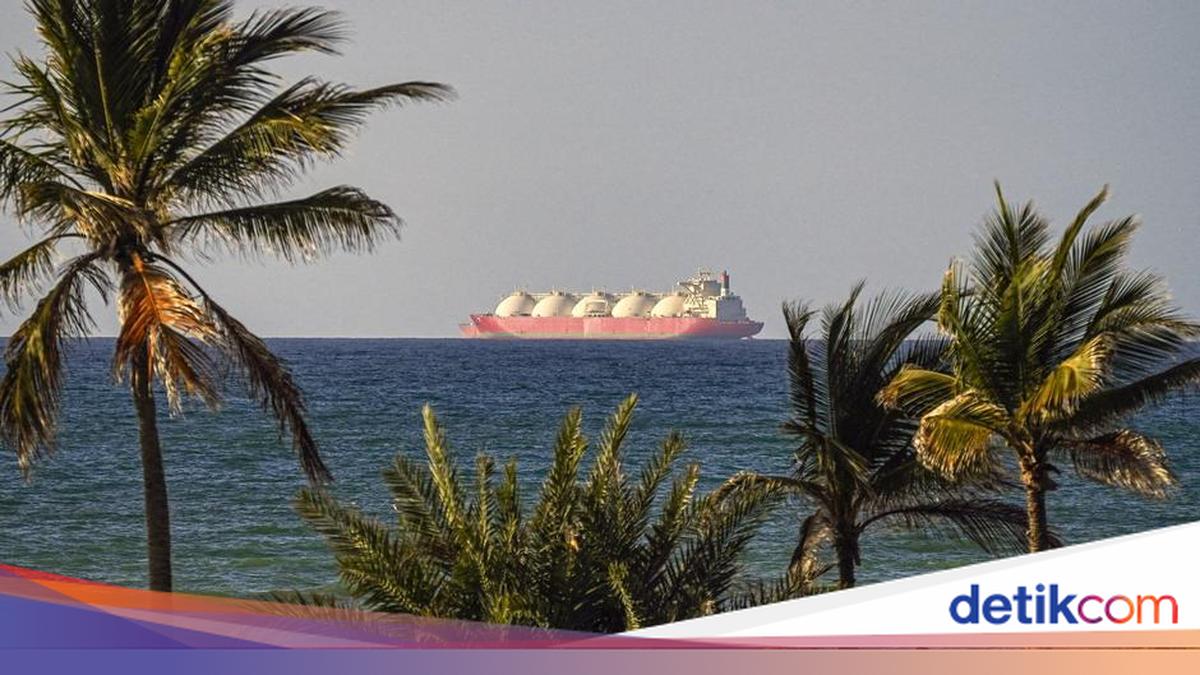
The Strait of Hormuz has become Iran’s main leverage tool in negotiations. This strait is crucial for transporting oil and gas from Persian Gulf countries and holds vital importance for the global economy.
Since the war with Iran began two months ago, the number of ships crossing the Strait of Hormuz has fallen by more than 95 per cent, according to the UN.
In addition to oil and gas, supplies of fertiliser—essential for developing countries—and petrochemical products have also been disrupted, said the head of the International Energy Agency (IEA), Fatih Birol, on 30 April 2026 at a conference ahead of the high-level COP31 climate meeting in Antalya, Turkey. He assessed that his concerns about the largest energy crisis in history due to the Iran conflict are increasingly proving true.
The US itself has imposed a naval blockade against Iran to cut off Tehran’s revenue from oil exports. In response, Iran demands that the US lift the blockade of its ports and signals it will reopen the Strait of Hormuz to international shipping traffic.
The Iranian state is highly dependent on oil exports. It is estimated that around a third to 45 per cent of state revenue comes from the oil and gas sector. Since the US has pressured shipping traffic in the Strait of Hormuz, Iran’s oil exports have declined dramatically.
Oil production declines and state revenue shrinks
The US naval blockade has gradually disrupted Iran’s oil exports, said senior analyst from data company Kpler, Homayoun Falakshahi, to DW. Shipments have fallen significantly, while inventories have risen rapidly.
He emphasised that Iran can only load oil if there are enough empty tankers available and if those ships can actually leave the Persian Gulf.
Iran is now forced to reduce production—a step it has often taken previously due to sanctions. Other producers in the region, such as Iraq, are also compelled to lower their output.
According to energy expert Dalgah Chatinoglu, Iran’s oil production could drop by around one million barrels per day within a month, approaching domestic consumption levels.
However, Iran still has around 170 million barrels of oil on ships that passed through the Strait of Hormuz before the blockade, which could support exports for two to three months.
In the short term, Tehran appears able to withstand the blockade. But a long-term production halt could cause permanent damage, as production facilities must be scaled down or even shut down.
Chatinoglu stressed that the technical consequences of stopping oil fields are very serious—unused wells can dry up due to halted flow. Whether this actually happens depends heavily on the intensity of the US naval blockade.
At the same time, economic pressure continues to mount due to reduced state revenue, while the government must still fund internal expenditures such as salaries for security and military personnel.
Iran’s economy has long been affected by mismanagement, corruption, and international sanctions. In 2025, average inflation is estimated at around 51 per cent, and in 2026 it is projected to rise to around 69 per cent. A prolonged blockade could exacerbate this crisis.
In response to the question of how long the US can maintain the naval blockade, Fatemeh Aman said, “Maintaining a long-term blockade against Iran requires substantial continuous military resources, operates in legally uncertain territory, and carries political risks.”
Long-term restrictions on maritime traffic could also drag in other countries, worsen tensions in the Persian Gulf, and impact global trade—particularly for Asian economies heavily reliant on energy imports from the region. “At that point, Washington must question whether the pressure applied remains controllable or instead creates unwanted problems.”