
Hope and Doubt Surround Fragile US-Iran Peace Framework
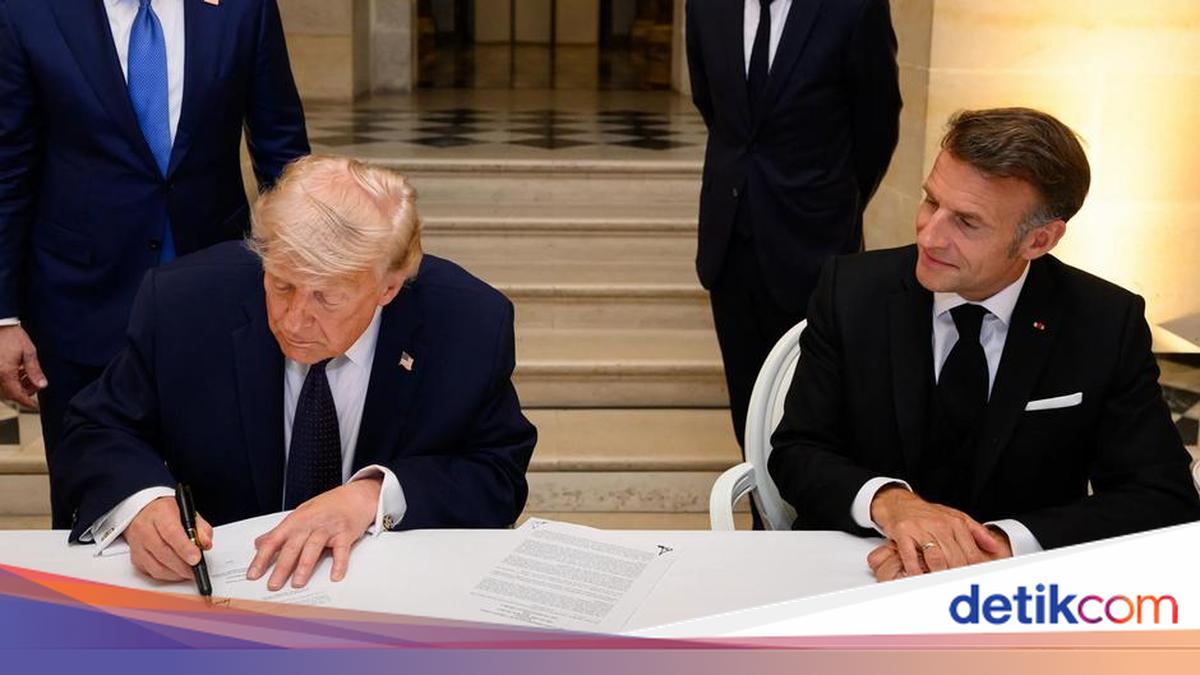
President Donald Trump surprisingly signed a framework agreement with Iran during a dinner at the G7 summit in Versailles, while Iranian President Masoud Pezeshkian signed from Tehran. The move follows months of missile and drone exchanges in the Middle East, triggered by US and Israeli strikes on Iran in February. However, the meeting in Switzerland is far from a final resolution, with major questions remaining about the shape of any lasting ‘history’ to emerge from the negotiating table.
At the summit, Trump claimed Iran agreed to the deal because it ‘didn’t want to be bombed’. He later asserted that the core of the new agreement is to ensure Iran never possesses a nuclear weapon, comparing his approach to a ‘wall’ versus the ‘road’ to a bomb he claims the Obama-era JCPOA provided. ‘The Obama deal was a road to a nuclear weapon. This, call it the Trump deal, is a wall,’ he stated.
G7 leaders offered cautious support. French President Emmanuel Macron called the deal a ‘wise’ step but questioned whether it resolves everything, noting significant risks remain. Meanwhile, Rowena Binti Abdul Razak, a lecturer at the School of Oriental and African Studies in London, described it as a positive initial development that could ease regional tensions but stressed it is merely the start of a longer peace process.
Analysts highlight that the current text is an interim framework, not a binding final treaty. The primary focus is on halting active hostilities and reopening the strategic Strait of Hormuz, which has been disrupted by the conflict. Miadek Maleki, a senior researcher at the Foundation for the Defense of Democracies in Washington, suggested the US administration pushed for a quick deal to secure the strait, potentially at the expense of more comprehensive terms.
Former US negotiator Alan Eyre cautioned that any comparison to the JCPOA is premature until a fully negotiated and implemented agreement is reached. He noted that Iran’s stated commitments are less relevant than the level of verification they will ultimately accept. Negotiators are expected to begin discussing technical details at a resort in Switzerland this weekend, a location previously used for Ukraine peace summits.