
Honda Dealers Collapsing, This is the Figure Behind the Entry of Honda Cars in Indonesia
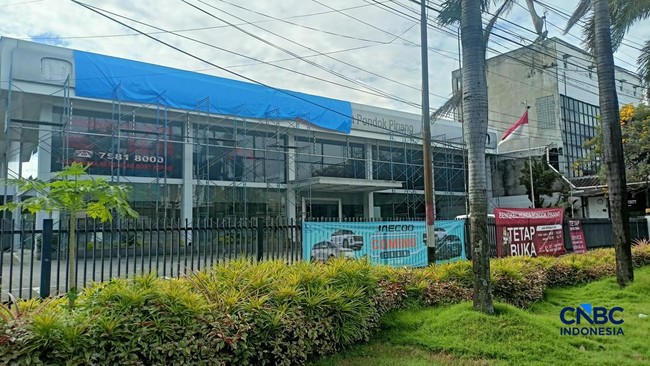
The pressures currently battering Honda’s car dealer network in Indonesia represent an irony in the Japanese brand’s long journey in the country. After decades synonymous with Japanese automotive dominance, the weakening sales now hitting the dealer network show that even established players are facing new challenges.
Honda’s four-wheeled industry trail in Indonesia began in the 1970s. Honda’s emergence coincided with the opening of foreign investment under President Suharto’s leadership. Honda became one of the successful automotive manufacturers entering Indonesia.
This success was inseparable from the deft hand of Ang Kok Ha or Hadi Budiman. According to historian Sam Setyautama in Tokoh-tokoh Etnis Tionghoa di Indonesia (2008), Hadi Budiman was a car entrepreneur since the 1960s. However, Hadi began doing business with Honda cars when he saw an opportunity as previous importers failed to bring the brand due to business failure.
“When the opportunity arose unexpectedly, his friend who was previously the Honda car importer could not pay debts, so the import permit was revoked. Ang Kok Ha was immediately appointed as the sole Honda car distributor on 24 March 1970,” wrote Sam Setyautama.
From that momentum, Hadi then obtained import rights as well as the status of Honda car distributor in Indonesia. That step was carried out through PT Istana Motor Raya (Imora), which became the initial gateway for Honda’s four-wheeled business expansion in the domestic market. Later, Hadi and his family had a significant role in managing major Honda dealers, such as Honda Surabaya Center, Honda Bandung Center, and Honda Semarang Center.
In the early days in Indonesia, unlike strong Japanese rivals in commercial vehicles, Honda built its name through sedans like the Civic and Accord, which were popular among the urban middle class. Its reputation as modern, fuel-efficient, and comfortable cars strengthened its position from decade to decade.
However, the journey was not always smooth. During the 1974 Malari Incident, waves of anti-Japanese capital sentiment made various automotive products from the Land of the Rising Sun targets of mob fury. Honda vehicles, both motorcycles and cars, were also affected by that socio-political upheaval.
That moment became one of the major tests for the Japanese brand that was expanding its market in Indonesia at the time. In the end, Honda successfully passed that phase and grew rapidly again.
Its car business continued to develop through local production and the establishment of PT Honda Prospect Motor (HPM) in the late 1990s. HPM is a joint venture between the Japanese side and the Indonesian side, which then became the Sole Agent Holder of the Brand (ATPM).
Now, the pressures afflicting Honda raise new questions. Are Honda cars starting to be abandoned by the public after being the king of the roads in Indonesia for so long?