
Home renovation programme for Quranic memorisers in Jakarta to resume this year
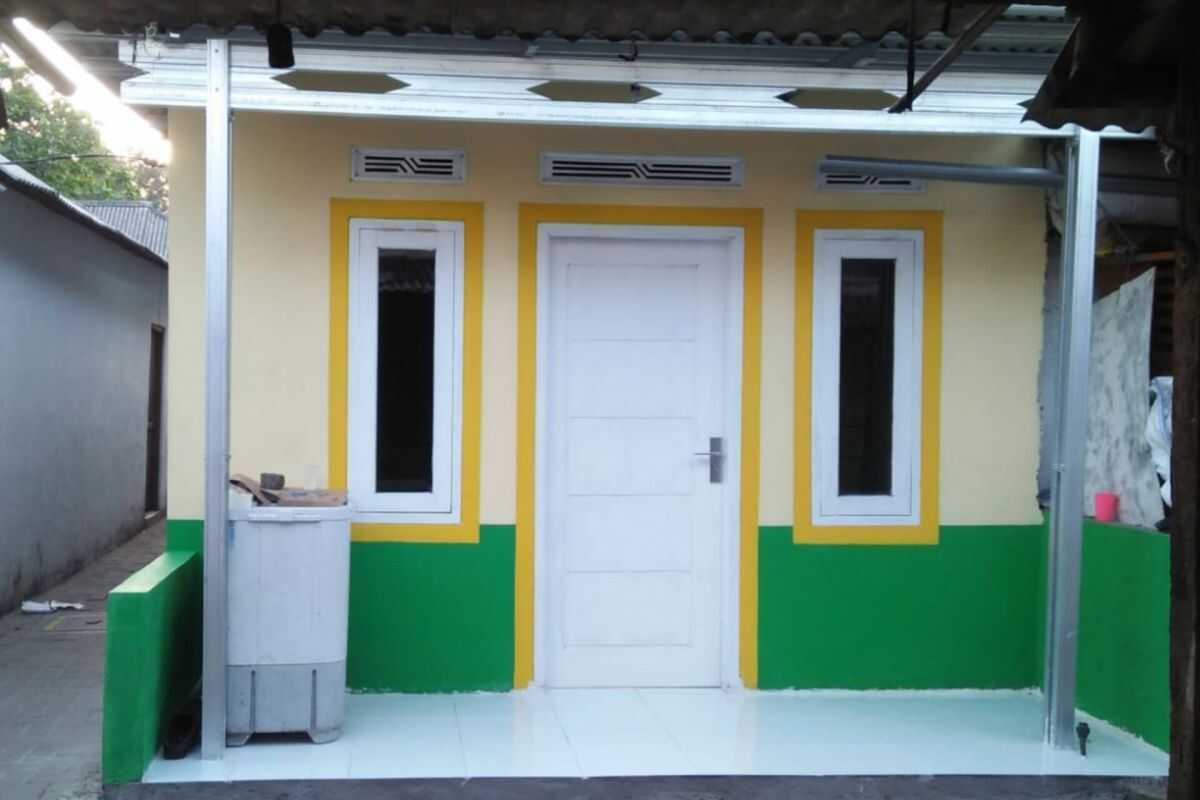
The target for home renovations for Quranic memorisers stands at 20 properties, with potential for expansion depending on community enthusiasm, according to MH Bahaudin, head of distribution and empowerment at Baznas/Bazis DKI Jakarta Province, when contacted on Friday.
Registration takes place via the portal baznasbazisdki.id/daftarbedahrumah-hafizquran, with applicants required to have memorised at least five chapters (juz) of the Quran and possessing a memorisation certificate if available. Applicants must provide supporting documents including national identification (KTP), family cards (KK), proof of inability to pay (SKTM), and land ownership documentation, whilst meeting criteria for substandard housing (RTLH).
Bahaudin stated that memorisation verification will be conducted on 14 March 2026. Beneficiaries who pass both the memorisation test and assessment will have their residences evaluated to determine the appropriate level of assistance based on housing conditions.
“In our work, we use specifications from the Strategic Plan of the Jakarta Department of Housing and Settlements (PRKP) regarding Standards for Adequate Housing, which must meet two aspects: safety and health,” Bahaudin explained.
“The budget allocation per home ranges from Rp30 to Rp55 million,” he added.
This year marks the third implementation of the Quranic Memoriser Home Renovation Programme by Baznas/Bazis DKI. A total of 10 homes were renovated in 2024, increasing to 12 homes in 2025.
“Last year (2025), 12 homes were renovated for Quranic memorisers, with a minimum requirement of 10 chapters memorised,” Bahaudin said.
He further expressed appreciation for Quranic memorisers, particularly during Ramadan, noting that despite limited housing conditions and economic constraints, their dedication to memorising and practising the Quran remains unwavering.
“This programme is also expected to address health and safety concerns for those who previously lived in substandard housing conditions,” Bahaudin concluded.