
Home Minister Tito: Cross-Sector Collaboration Key to Addressing National Housing Backlog
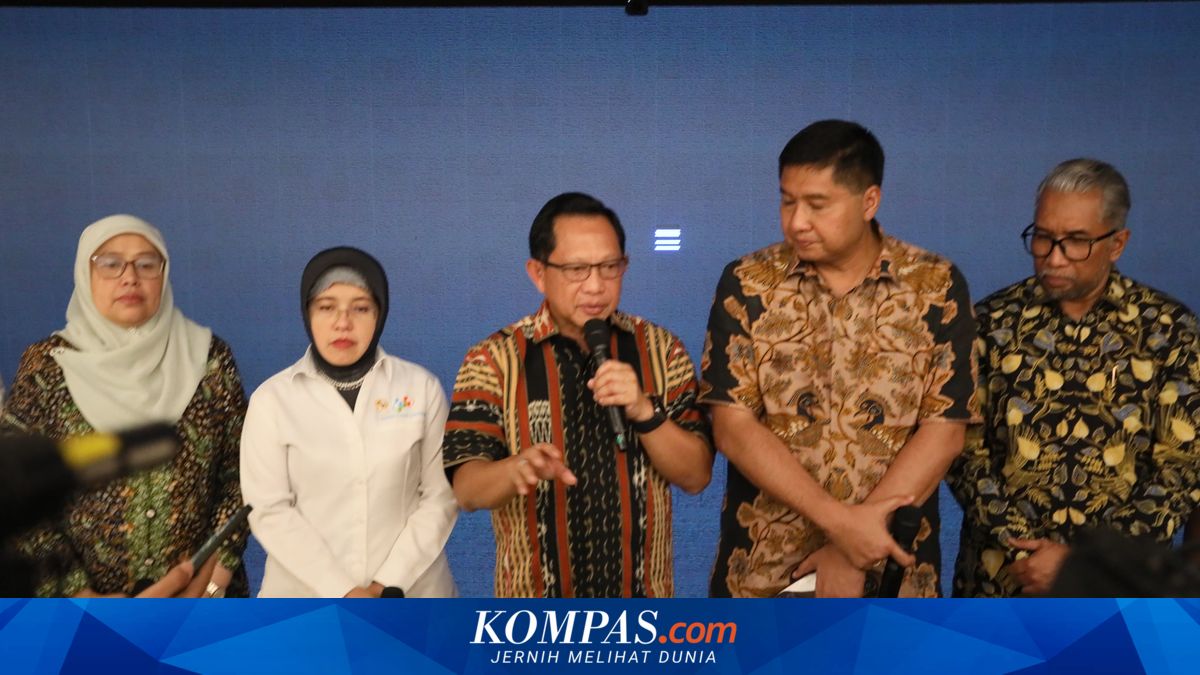
Jakarta — The Home Affairs Minister (Mendagri) Muhammad Tito Karnavian has stressed that cross-sector collaboration is the key to addressing Indonesia’s national housing backlog (the gap between housing needs and the availability of adequate dwellings), which remains substantial.
This was conveyed by Tito whilst attending a socialisation event for the Housing and Settlement Ministry (PKP) ministerial decree on apartment buildings at the BP Tapera Office Auditorium, Menara Mandiri 2, Jakarta, on Tuesday, 17 March 2026.
Tito explained that resolving housing issues cannot be accomplished by one ministry alone but requires the synergy of all stakeholders.
“I am impressed with Ara (Housing and Settlement Minister Maruarar Sirait) because what he said earlier is exactly right—if it is not supported by everyone, it will certainly not succeed,” he said in a written statement received by Kompas.com on Wednesday, 18 March 2026.
Tito noted that the Housing and Settlement Ministry working alone cannot resolve the issue after reviewing housing backlog data from the Head of the Central Statistics Agency (BPS) Amalia Adininggar Widyasanti.
Furthermore, Tito explained that the government’s policy direction in the housing sector is inseparable from President Prabowo Subianto’s vision.
He affirmed that Prabowo places justice as the primary principle of development, including meeting the basic needs of society.
“He desires justice. Housing is a fundamental matter. We always hear about clothing, food, and shelter. This means people need shelter,” said Tito.
He assessed that meeting the need for adequate housing is an important part of efforts to improve people’s welfare.
“I have already conveyed this to him. Ara, this is not a trivial task. This is Indonesia, the fourth largest country in the world. Our problems are very diverse. Earlier, a colleague also mentioned that our problem is a licensing issue,” he said.
The high backlog figure is partly due to licensing obstacles that remain one of the main barriers and need to be addressed promptly to accelerate housing development.
In this context, Tito believed that leadership capable of building collaboration is crucial in driving acceleration of problem-solving.
As a concrete form of support, the government has also prepared various policies to facilitate the housing development process, particularly for low-income households (MBR).
He assured that the Home Affairs Ministry (Kemendagri) will continue to support various measures to accelerate housing programmes through cross-ministerial and local government collaboration.
“As a friend of his (Ara) and also a partner or colleague in the cabinet, we will certainly support everything. Whatever positive programmes he has, we will definitely support,” he added.