
Home Affairs Minister Reveals "Affordable" Way to Reduce Healthcare Costs: Walkable Cities and Green Spaces
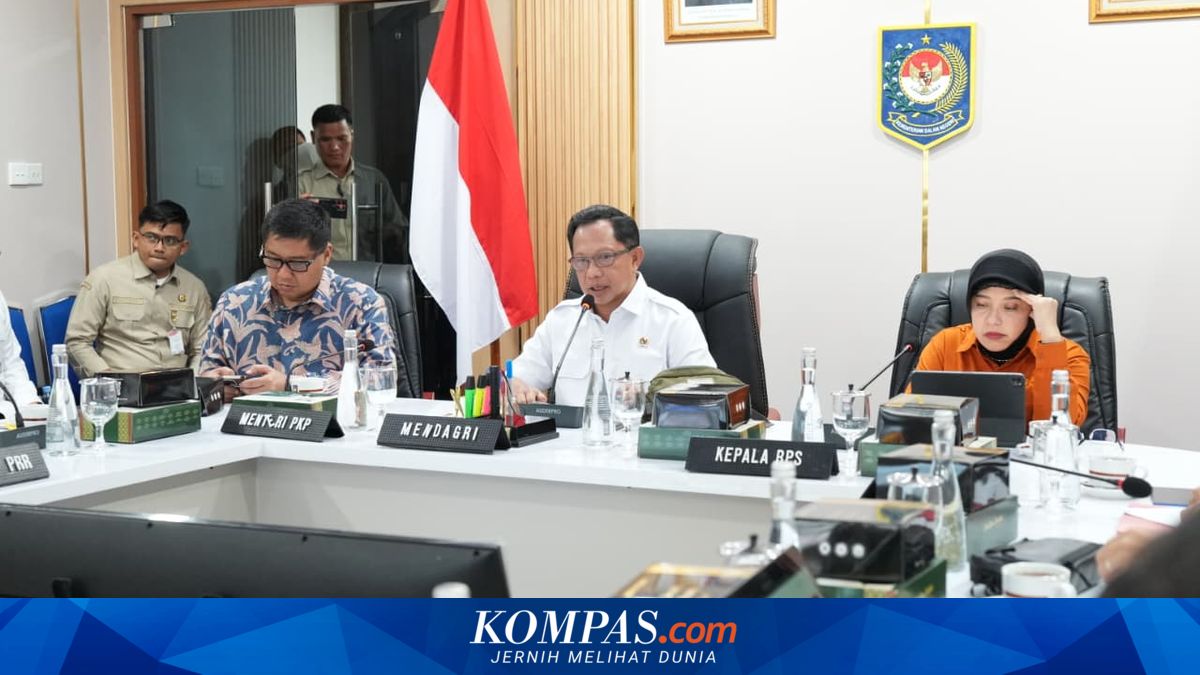
JAKARTA - The Minister of Home Affairs, Muhammad Tito Karnavian, has emphasised the importance of building cities oriented towards public health, including the provision of green open spaces and strengthening the concept of walkable cities friendly to pedestrians.
This approach is considered not only strategic but also more efficient in reducing the burden of long-term healthcare costs.
At the forum of the Association of Indonesian Municipal Governments (APEKSI), the Minister reminded that the direction of regional development should not only pursue short-term economic growth but also consider its impact on public health and quality of life.
He explained that the walkable city concept encourages the creation of comfortable urban environments for walking, exercising, and social interaction.
Cities designed with this approach are believed to improve public health levels while boosting residents’ productivity.
As a comparison, the Minister mentioned Singapore’s success in integrating green spaces and public facilities into city planning.
According to him, investment in parks and pedestrian paths has proven to deliver tangible economic impacts, including in reducing healthcare sector financing.
Furthermore, he reminded of the importance of maintaining balance in urban space utilisation. Local governments are urged not to sacrifice green open spaces for purely commercial or residential interests.
In his view, consistency in spatial planning policies is a key factor in maintaining urban development sustainability while preventing environmental issues such as flooding and ecosystem degradation.
As an illustration, the Minister also exemplified the development of Banyuwangi Airport, which adopts an environmentally friendly concept by maximising natural ventilation and minimising air conditioning use.
This, according to him, demonstrates the importance of consistency in implementing sustainable development policies.
Without proper spatial planning management, risks such as river narrowing and potential flooding will increase.
In conclusion, the Minister invited regional heads to view cities as living spaces that support overall societal welfare, not merely as centres of economic activity.