
Holy Week Tradition in Larantuka: The Role of Our Lady and Steadfast Faith
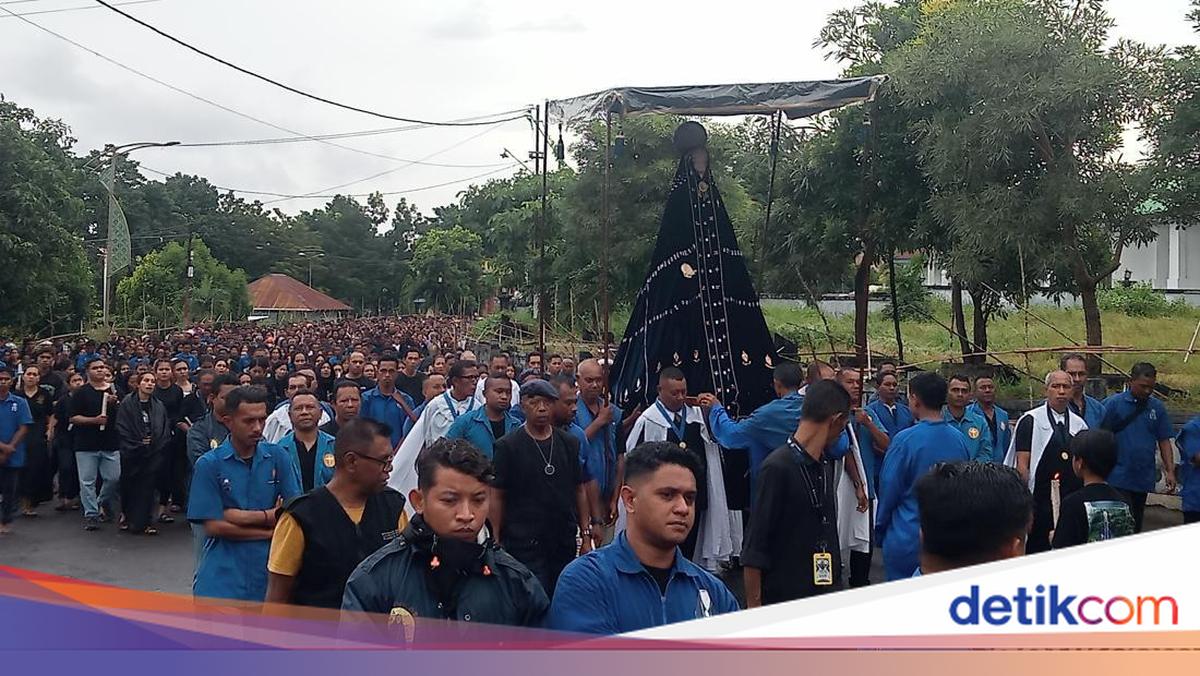
Catholics around the world are preparing to celebrate Easter, including those in Larantuka, East Flores, East Nusa Tenggara. Flores has its own traditions during the Easter period. The Larantuka region has a high number of Catholics. Here also stands the Cathedral of Reina Rosari as the religious centre and pilgrimage site in Larantuka. The Semana Santa tradition in Larantuka is eagerly awaited by Catholics every year.
What is the Semana Santa Celebration?
Semana Santa comes from Latin, meaning Holy Week. The series begins from Palm Sunday to Easter Sunday. During Semana Santa, pilgrims from various places will arrive here.
The Semana Santa tradition is believed to have emerged after the influence of Catholicism in Larantuka. It began with the discovery of a statue on the beach, which was kept by the community as a sacred object. The Portuguese who arrived later recognised the statue as Our Lady. The Larantuka community calls this statue “Tuan Ma”.
The Larantuka community once lacked a priest for several decades. To maintain their steadfast faith, they prayed every Saturday and carried out processions of the statues of Tuan Ma and Tuan Ana, or Jesus. The Semana Santa celebration procession takes place from Palm Sunday and peaks on Good Friday.
The intensity of the celebration increases since Spy Wednesday when they ring bells and shout “trewa”. After that comes a period of silence, during which the community sets up fences to attach candles as lights for the path that will be passed during the procession.
Maundy Thursday is the day when the statues of Tuan Ma and Tuan Ana are opened from their casket after being stored for a year in the chapel. Specifically, the statue of Tuan Ma is dressed in clothes symbolising mourning. The mourning attire features a velvet cloak in black, purple, or blue. The next day, or Good Friday, is the peak of the Semana Santa celebration.
It is also known as Sesta Vera, absorbed from Portuguese meaning the sixth day or Friday. Throughout the full day, Catholics will carry out various religious activities with solemnity. It begins with kissing the statues of Tuan Ma and Tuan Ana in their respective chapels. After that is the procession of the statue of Tuan Meninu.
The statue of Tuan Meninu is a statue of Jesus in his child form. A procession is also held for the statue of Tuan Misericordiae from its chapel. Around midday, at about one o’clock, the procession of the statues of Tuan Ma and Tuan Ana takes place. After the procession, the community will hold Mass at the Cathedral at six in the evening.
The climax is at night after the Good Friday Mass. Thousands of people, consisting of Catholics and even non-Catholics, participate in the series of processions. This parade covers a distance of about 7.5 kilometres. The procession circles the town of Larantuka, Flores, NTT.
Our Lady and the Strengthening of Catholic Faith
Our Lady, as the figure of a mother who lost her child, becomes the main focus in Semana Santa. The statue of Tuan Ma receives special attention in this parade, which can be seen from the respect shown by the community. Indeed, the figure of Our Lady is exalted in Catholic countries, but this is an ancestral heritage before the arrival of Catholicism in Larantuka.
The female figure in Larantuka society holds an important position in the universe. The community honours the Goddess of Fertility who gives them prosperity in life. This behaviour continues to this day with the presence of Our Lady in the socio-religious context of the community.
Donatus Sermada Kelen views the Semana Santa tradition as a living catechesis. Catechesis means teaching of faith. In this context, the Semana Santa tradition runs without a priest for even decades. It is the steadfast faith of the Catholics that has kept it alive. This tradition in Larantuka has even become a spiritual tourism destination for Catholics from various places in Indonesia to overseas.