
Holidays and Strengthening Family Functions
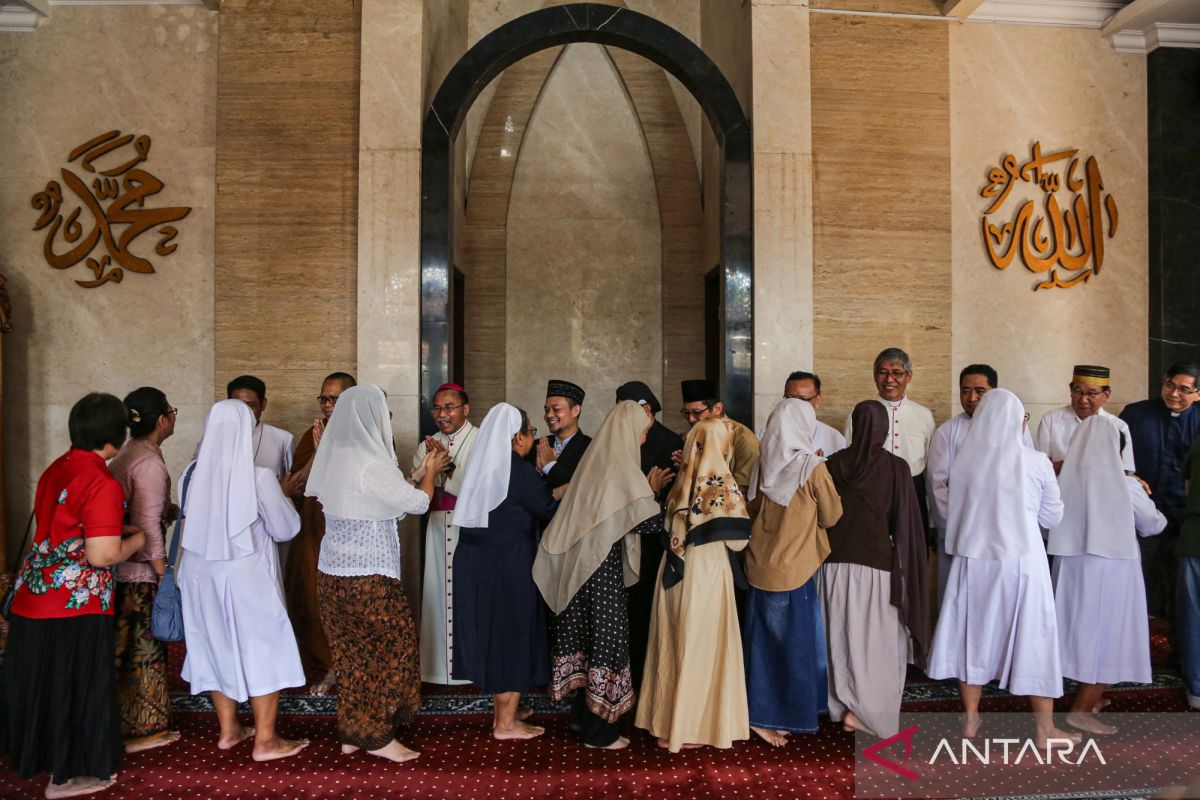
Silaturahim during holidays goes beyond mere annual tradition, as behind its cultural aspect, this moment serves as a strategic instrument in strengthening sustainable national resilience.
In addition to providing a break to recharge emotional reserves often eroded by routine, physical meetings and direct interactions possess a depth of energy that cannot be replaced by any digital communication technology.
Silaturahim becomes a space to rediscover one’s identity within the smallest ecosystem called the family. The quality of relationships formed is not merely a social commodity, but the basic foundation for character building.
This phenomenon aligns with the government’s agenda, which positions the family unit as the main pillar in producing quality human resources (HR).
This is in line with the statement from the Deputy for Coordinating the Improvement of Family Quality and Population, Coordinating Ministry for Human Development and Culture (Kemenko PMK), Woro Srihastuti Sulistyaningrum, that the family as the smallest unit in society plays an important role in driving the creation of national resilience and resilience.
If the family is happy, society will be prosperous, then the nation will also be strong and have increasingly solid national cohesion. That is why the Eid al-Fitr holiday moment becomes a foundation for building national resilience. Starting from strengthening relationships among family members, between families, even at the community and societal levels.
Like weaving a piece of cloth, the family is the main threads whose strength will determine how solid the social fabric is in facing various challenges.
In the context of the national development agenda, strengthening social cohesion through this moment becomes a real manifestation of activating the eight family functions to build resilience from the smallest unit of society.
The eight functions include religious, socio-cultural, love and affection, protection, reproduction, socialisation and education, economic, and environmental nurturing functions.
Woro Srihastuti said that the family has a vital role in driving the creation of national resilience and resilience. In terms of the social function within the family, silaturahim reconnects relationships among family members who may have not met for a long time, including with the community.
This explanation shows that silaturahim impacts the increase in emotional closeness among family members and broader social ties with society. This step becomes a bridge to restore meaningful interactions amid the busyness of the digital era, while also strengthening social support in the community environment.
Meanwhile, from the cultural function perspective, silaturahim further strengthens the tradition of mutual sharing, visiting, and of course will encourage stronger social cohesion at the neighbourhood, societal, and national levels.
In addition, silaturahim will maintain the continuity of intergenerational values and foster a sense of belonging to the community, which ultimately becomes the foundation for cultural resilience.
Recharging energy