
Hoaxes about vaccination influenced by the rapid development of social media
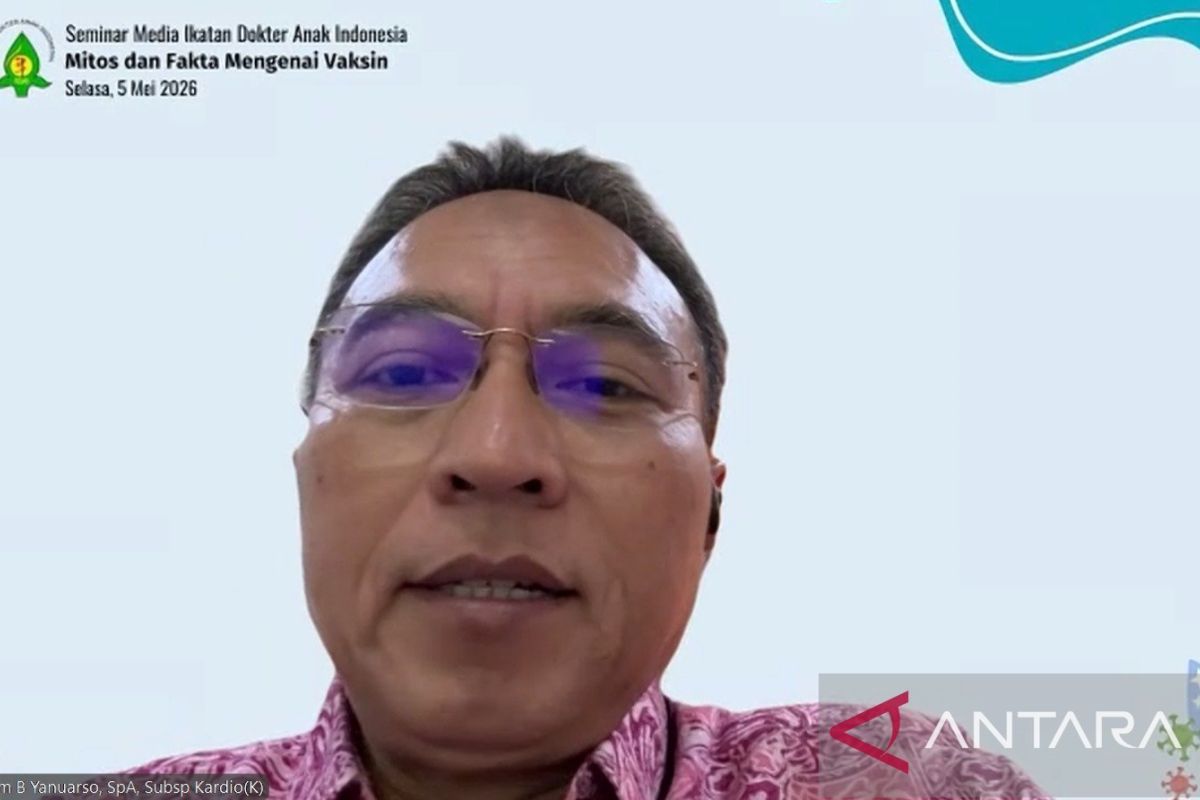
Jakarta (ANTARA) - The Indonesian Paediatric Society (IDAI) states that the development of hoaxes about vaccination is heavily influenced by the rapid growth of social media. “One factor that makes people hesitant about immunisation is the abundance of myths or hoaxes circulating widely, especially in this social media era,” said the Chair of the IDAI Central Board, Dr. Dr. Piprim Basarah Yanuarso, Sp.A, Subsp.Kardio (K), during a discussion in Jakarta on Tuesday. Piprim highlighted that myths and hoaxes surrounding vaccination have been rampant for 10 to 15 years. Social media platforms, which can disseminate information to various users in mere seconds, pose a challenge to expanding vaccination coverage. While social media is helpful on one hand in spreading education about vaccination to the public, he assesses that the prevalence of misinformation drives the public, particularly parents, to become hesitant and decide not to allow their children to participate in immunisation. “Actually, the vaccines are already prepared, available, and free at posyandu or puskesmas. However, if parents are still doubtful and anxious because they believe too many myths, this greatly affects our children’s health,” he said. According to him, unvaccinated children are at risk of easily contracting diseases repeatedly, suffering from stunting, becoming disabled, or even dying, depending on the disease contracted. Member of the IDAI Working Group on Growth and Development and Social Paediatrics, Dr. dr. Rodman Tarigan, Sp.A, Subsp.T.K.P.S (K), added that vaccination can prevent death and increase the life expectancy of recipients. In addition to preventing diseases, vaccination also protects recipients from recurrent infections that can disrupt child growth and development. He agrees that myths and hoaxes will always accompany the development of science and technology. Therefore, narratives and literacy that are easy to understand about immunisation are needed across various segments of society. “In this regard, the media has an important role in conveying facts about immunisation,” he said.