
HNW Urges Hajj 1447 H Operations as Platform for Middle East Peace
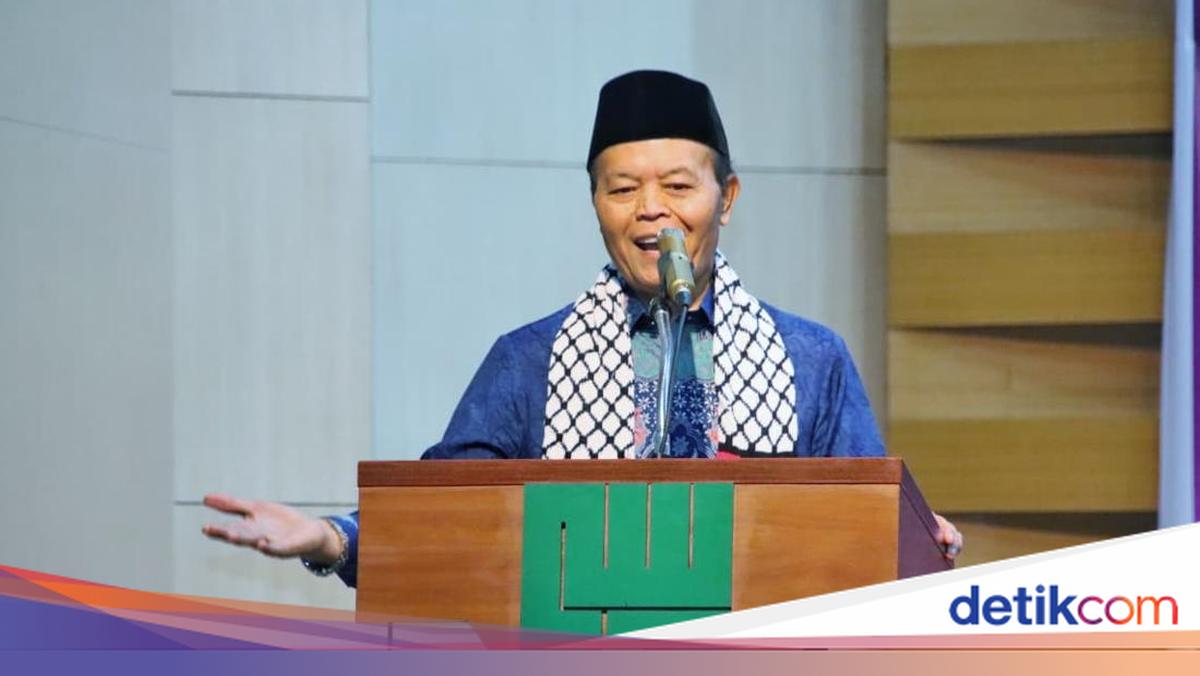
Deputy Chair of the People’s Consultative Assembly (MPR) Hidayat Nur Wahid (HNW) has called for the 1447 H hajj pilgrimage to serve as a moment for peace in the Middle East. He has requested that the government capitalise on this opportunity to drive an end to regional conflicts.
The member of Commission VIII of the House of Representatives (DPR) has urged the government, including the Ministry of Hajj and Umrah, to engage actively in diplomatic efforts with the United States, Iran, and member states of the Organisation of Islamic Cooperation (OIC). This diplomacy is expected to encourage conflicting parties to exercise restraint and respect the conduct of hajj.
According to him, such diplomatic measures are important to ensure that the 1447 H/2026 hajj is implemented smoothly, safely, and comfortably without disruption from Middle East conflicts. He emphasised that Indonesia, as the largest sender of pilgrims with 221,000 people, has significant interests in ensuring hajj proceeds without interruption.
“The government can use this as a diplomatic platform to bring about peace, to halt war, and hopefully through the blessings of hajj, to end the war and bring about permanent peace,” HNW stated in his statement on Thursday (12 March 2026).
He made these remarks during a working session of Commission VIII of the House of Representatives with the Minister of Hajj and Umrah at parliament complex on Wednesday (11 March).
The PKS politician also cautioned the Ministry of Hajj and Umrah against hastily prioritising discussions of cancelling the 1447 H hajj. He noted that Saudi Arabia, as the host country, continues to proceed with hajj preparations.
Indeed, on 4 March 2026, the Saudi Arabian government opened registration for domestic citizens intending to perform the hajj. Similar preparations are also being undertaken by Pakistan, one of the countries sending the largest number of hajj pilgrims to Makkah.
Nevertheless, HNW acknowledged the need for contingency scenarios should Middle East conflicts intensify. One proposed option is to shorten the duration of hajj pilgrims’ stay in Saudi Arabia should conflict escalation increase after the peak of hajj operations.
He cited the situation last year when war between Israel and the United States against Iran occurred on 17 Dhul-Hijjah 1446 H, several days after pilgrims had completed the hajj.
On the other hand, HNW appreciated various domestic hajj preparations which he assessed as proceeding relatively well. This includes the pilgrim visa processing which has reached 100 per cent with the issuance of 198,410 visas, or approximately 97.58 per cent.
Additionally, accommodation services have been fully paid for, catering services more than 90 per cent, and the first-phase payment for flight services has reached 35 per cent.
He requested the Ministry of Hajj and Umrah to continue this progress and ensure the service improvement commitments from the two designated service providers. HNW also emphasised the importance of ensuring that problems from previous hajj operations do not recur.
Furthermore, he encouraged the distribution of the Nusuk card—pilgrims’ primary identity document during the hajj season—to be provided to pilgrims whilst they are at embarkation points in Indonesia.
HNW stressed that optimal hajj preparation and positive public communication can reassure prospective pilgrims, many of whom have waited over 20 years to depart.
“Of course, contingency plans need to be prepared as a precaution, but the main priority and what must be ensured is that the 1447 H hajj can still be successfully implemented in a safe, peaceful, and professional manner, as a result of Hajj Diplomacy bringing peace,” he concluded.