
HNW: Halal bi Halal Originated from Muhammadiyah's Ijtihad, Now a National Unity Tradition
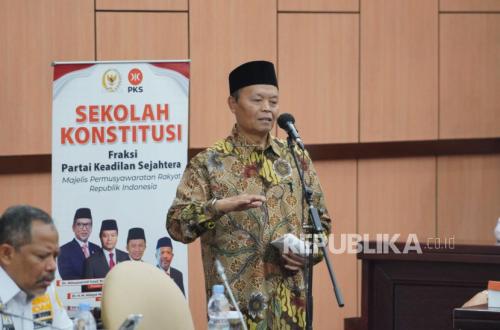
Deputy Speaker of the MPR RI Hidayat Nur Wahid (HNW) revealed that the Halal bi Halal tradition, now an inseparable part of Indonesian society, is rooted in the ijtihad of Muhammadiyah members. HNW explained that the term “Halal bi Halal” was first popularised by Rahmad, a Muhammadiyah member from Gombong, Central Java. In 1924, he wrote the term “Alal Bihalal” in the Majalah Soeara Moehammadijah. Two years later, during Eid al-Fitr 1926, the same magazine used the term “Halal bil Halal” in its advertisement. “The tradition known today as ‘Halal bi Halal’ is inseparable from Muhammadiyah’s role in popularising the term as part of efforts to present an enlightening Islam and strengthen brotherhood,” said Hidayat Nur Wahid in his statement in Jakarta on Sunday (29/3/2026). HNW, who is also an advisor to the Muhammadiyah Regional Leadership of South Jakarta, conveyed this during the Eid al-Fitr 1447 H silaturahim with the PD Muhammadiyah South Jakarta. According to him, in 1948, this tradition was adopted in a national context. KH Wahab Hasbullah responded to President Soekarno’s request to hold an event to reconcile national figures amid political tensions. KH Wahab proposed the term “Halal bi Halal”, which President Soekarno accepted. Since then, the Halal bi Halal tradition has become an agenda at the State Palace and has spread widely across Indonesia. “The Halal bi Halal moment in the early days of independence became a strategic means to strengthen unity against the Dutch colonial divide et impera politics,” said HNW. “This shows that Islamic traditions can be accepted, continued, and make a significant contribution to maintaining national integrity and strengthening brotherhood among leaders and the nation’s people.” Hidayat Nur Wahid added that this year’s Halal bi Halal should also be a momentum to strengthen Muslim solidarity towards the Palestinian people’s struggle and the salvation of Masjid Al-Aqsa. He reminded that the closure of Masjid Al-Aqsa by Israel since the war with Iran is ongoing until 15 April 2026, the first time since 1967 that Tarawih prayers, I’tikaf, Friday prayers, and Eid al-Fitr have been banned there. “Halal bi Halal should also be a momentum for Muslims to return to their fitrah, namely strengthening solidarity towards Masjid Al-Aqsa and Indonesia’s support for Palestinian independence,” he stressed.