
History of Indonesian Hajj: From the Nusantara Kingdom Era to European Colonialism
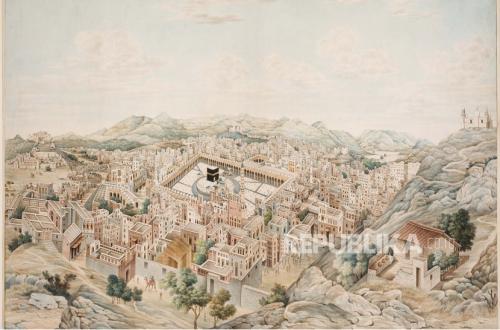
REPUBLIKA.CO.ID, JAKARTA – History records that Indonesians have been visiting the Holy Land for centuries. To reach Haramain, especially before the invention of aeroplanes, they utilised maritime routes connecting the Arabian Peninsula and Nusantara via the Arabian Sea and Indian Ocean.
According to Shaleh Putuhena in the book Historiografi Haji Indonesia, Ludovico di Barthema once encountered a person from Nusantara in Mecca in 1503 AD. However, Putuhena continues, it is unclear exactly from where the man in question originated; whether from Sumatra, Java, or other regions in Indonesia.
Di Barthema was the first non-Muslim Italian to successfully enter the holy city of Islam. He described the Nusantara person he encountered as a “man from the small East Indies.”
According to Azyumardi Azra in the article “Orang Indonesia Naik Haji” (2014), various traditional narratives—such as hikayat, tambo, or babad—often recount the connections between Islamic sultans and kings in Nusantara and Mecca. This has been evident since the beginning of the mass Islamisation process in the Southeast Asian archipelago in the late 13th century AD. There are also reports regarding sultans who intended to perform Hajj.
According to several sources, Azra adds, two early sultans of the Islamic Kingdom of Melaka in the 15th century AD wished to perform Hajj, but both passed away before they could realise their intentions. Subsequently, various sultans across Nusantara, from the Kingdoms of Aceh, Palembang, Banten, Mataram to Makassar, sought recognition from Mecca.
This was because they viewed the Holy Land as the centre of religious authority and also political legitimacy. For this purpose, these sultans expressed their intention to perform Hajj, which, in reality, was often carried out by proxy.
Thus, special envoys were sent to Haramain not only to perform the substitute Hajj but also to meet directly with the rulers (sharifs) of Mecca to request (symbols of) legitimacy.
This practice of proxy Hajj is believed to have been carried out, among others, by Laksamana Hang Tuah. The Malay national hero who lived in Melaka around the 15th century AD is said to have performed Hajj, as mentioned in Hikayat Hang Tuah, which was written in Johor at the end of the 17th century AD.
According to Azra, this Melaka court official apparently did not fulfil the fifth pillar of Islam himself, but his Hajj was performed by someone else. It was this proxy who then recorded the experience of performing Hajj in the name of the admiral.
“Performing Hajj for sultans or kings and political elites in the palace provides additional legitimacy in the eyes of their citizens. Conversely, for citizens who are able, the Hajj of their sultan or court officials provides inspiration and encouragement to also go on Hajj,” writes the author of the monumental book, Jaringan Ulama Timur Tengah dan Kepulauan Nusantara Abad XVII dan XVIII.