
Historical Traces Behind the Ruins: Ancient Mosque from the 8th Century Discovered Near the Sea of Galilee
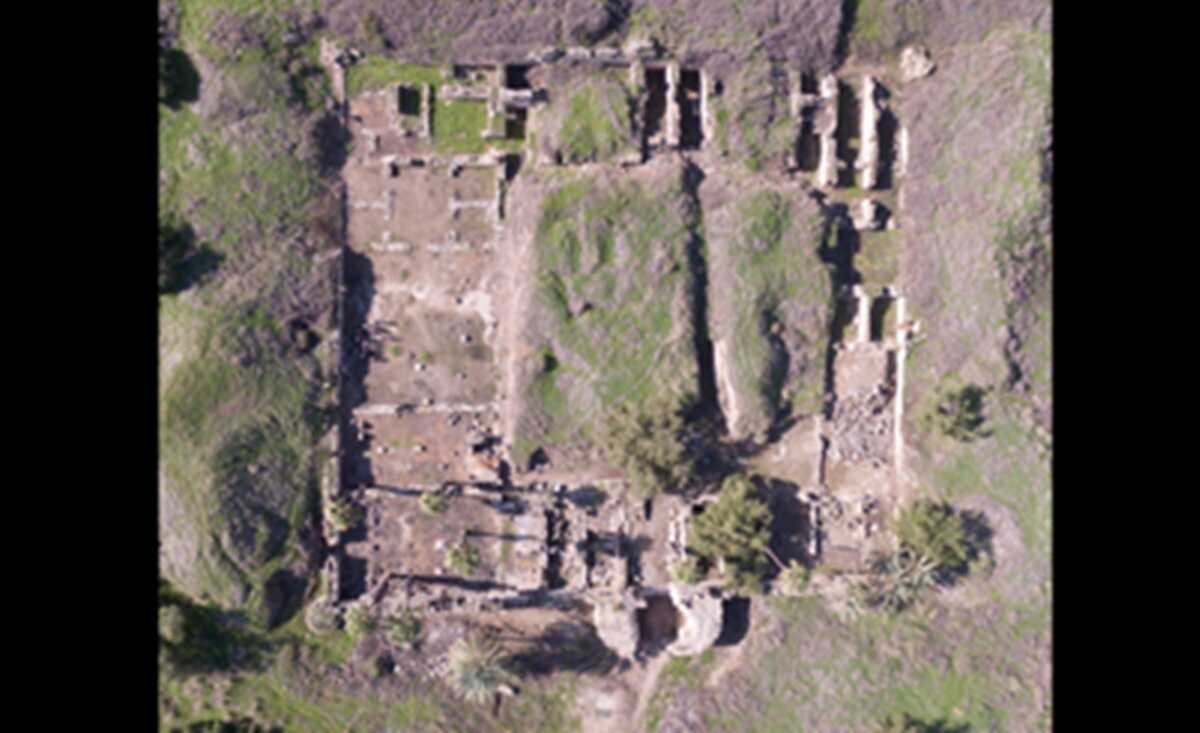
Archaeologists in Israel have successfully uncovered a structure believed to be one of the oldest mosques in the world. The ruins were found in the city of Tiberias, along the shores of the Sea of Galilee, providing a new perspective on the social structures and the spread of Islam in its early days.
This discovery is particularly significant due to its layered history. Excavations reveal that the mosque was built on top of the ruins of a much older Roman market structure.
Initially, researchers believed the building was a structure from the Byzantine period. However, deeper excavations revealed foundations dating back to the 8th century AD, specifically during the Umayyad period.
Katya Cytryn-Silverman, a specialist in Islamic archaeology from the Hebrew University of Jerusalem who led the excavation, explained the significance of the discovery. According to her, although the outer structure may appear to be the remains of a public building, its architectural details confirm its function as a Muslim place of worship.
“This is the oldest mosque in the world that has been excavated,” said Cytryn-Silverman. She added that this discovery changes our understanding of how early Islamic rule integrated with existing cities.
This discovery is not only about religion but also about urban planning. The mosque is located in the center of the city, next to churches and synagogues that continued to function at that time. This indicates a period of coexistence or tolerance between different religions in Tiberias when the region was under Islamic rule.
Some key points of this discovery include:
The discovery in Tiberias adds to the short list of mosques from the first century of Islam that have been archaeologically identified. Because many other early mosques are still in use today (such as the Prophet’s Mosque or the Al-Aqsa Mosque), archaeologists rarely have the opportunity to excavate their original foundations thoroughly.
With this discovery, experts hope to learn more about early Islamic construction techniques and how cultural transitions occurred from the Byzantine period to the caliphate period in the Levant region. (Jerusalem Post/Arab News/Z-2)