
Historian: Cilacap Port is important for the connectivity of Southern Central Java
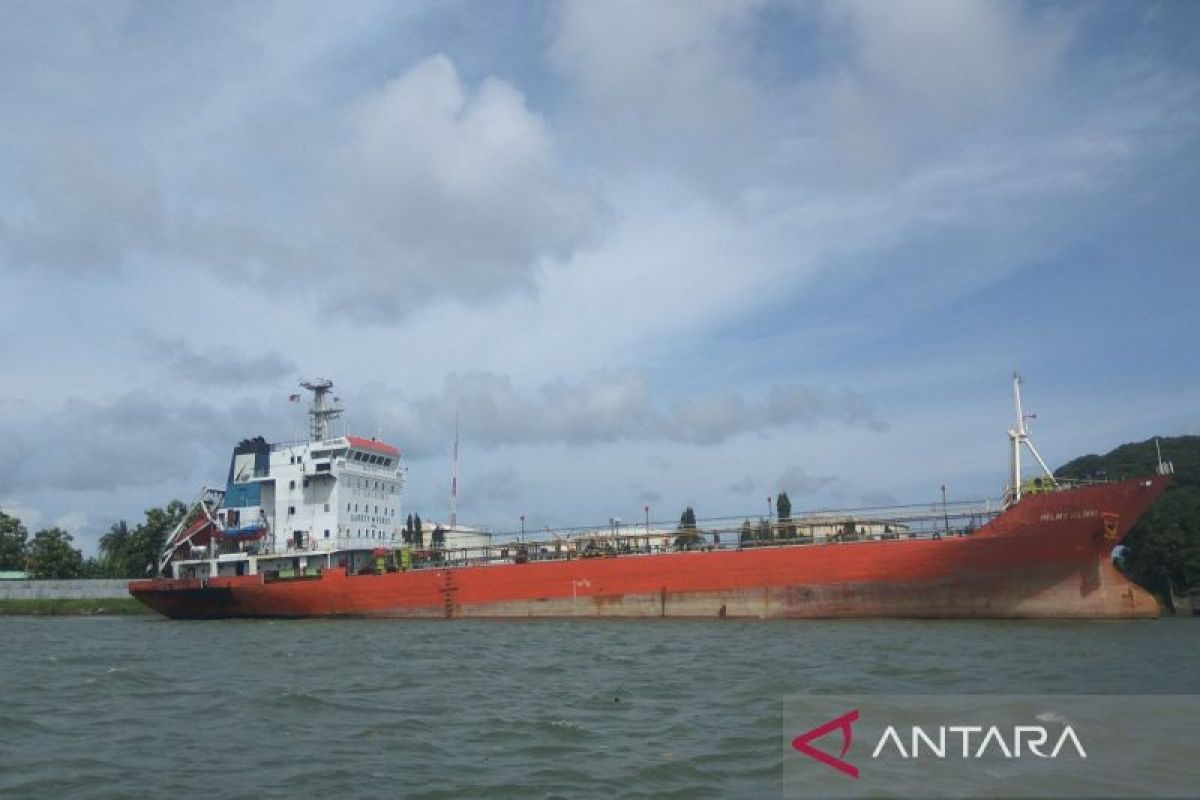
Purwokerto (ANTARA) - Maritime historian from the University of Indonesia (UI), Prof. Susanto Zuhdi, believes that the Cilacap Port has an important role in supporting the development of the southern Central Java (Jateng) region as a national food buffer by strengthening logistical connectivity, trade, and the distribution of agricultural products.
“If we look at its history, the Cilacap Port is not just an ordinary peripheral area. From being initially considered terra incognita, this area has developed into a well-known port on the southern coast of Java and has strong economic ties with the inland regions,” he said in Purwokerto, Banyumas Regency, Friday.
He said that the development of the Cilacap Port cannot be separated from its geographical position, which is connected to several hinterland areas, starting from the former Banyumas, Bagelen, and parts of East Priangan, which have long been centres of agricultural and plantation production.
In the early stages, he said, shipping and trade activities of coastal communities developed through the Donan, Citanduy, Serayu rivers, and other rivers that served as transportation routes from the coast to the interior and vice versa.
“This port grew from the needs of coastal communities, Segara Anakan fishermen, and inland communities who used the river network as a means of economic transportation,” said the man from Banyumas.
Furthermore, he said, the role of the Cilacap Port was further strengthened during the Cultuurstelsel period since 1830 when the colonial government made it one of the routes for transporting cash crops or commercial crops such as coffee, sugar, and indigo from the southern Java region or Jasela.
According to him, the port’s heyday reached its peak in the period of 1888 to 1930 after being connected to the Yogyakarta-Cilacap railway line and the Serayu Valley steam tram network which connected Cilacap with Purwokerto, Sokaraja, Banjarnegara, to Wonosobo.
“At that time, Cilacap became a dominant export port. Commodities such as sugar, coffee, tobacco, and copra were transported through the rail network and directly connected to the port,” he said.
However, he said, the development of land transportation networks and railways to ports on the north coast of Java was one of the factors that reduced the strategic role of the Cilacap Port.
“The expansion of road and railway networks became a factor in the decline of the Cilacap Port because cash crops and other goods could be transported more easily to ports on the north coast of Java,” he said.
Despite this, he believes that the Cilacap Port, especially the Tanjung Intan Port, still has great potential to play a strategic role again along with the development of industrial, agro-maritime, and logistics areas in the southern Central Java region.
He said that the port’s master plan, which has been established by the government, and the development of regional spatial planning provide space for increasing port service capacity in Cilacap.
“The strategic role of Tanjung Intan in the future is to support the development of agro-maritime production in the hinterland and coastal areas of Jasela and support Jasela as a national food buffer,” he said.
According to him, efforts to revive the role of the Cilacap Port are not just about repeating the glories of the past, but about creating a new history that is relevant to the challenges of sustainable development.
“The question is not whether history will repeat itself, but how we create our own history in the future,” said Susanto.