
Hippindo Urges the DKI Jakarta Provincial Government to be Fair in Implementing the KTR Regional Regulation
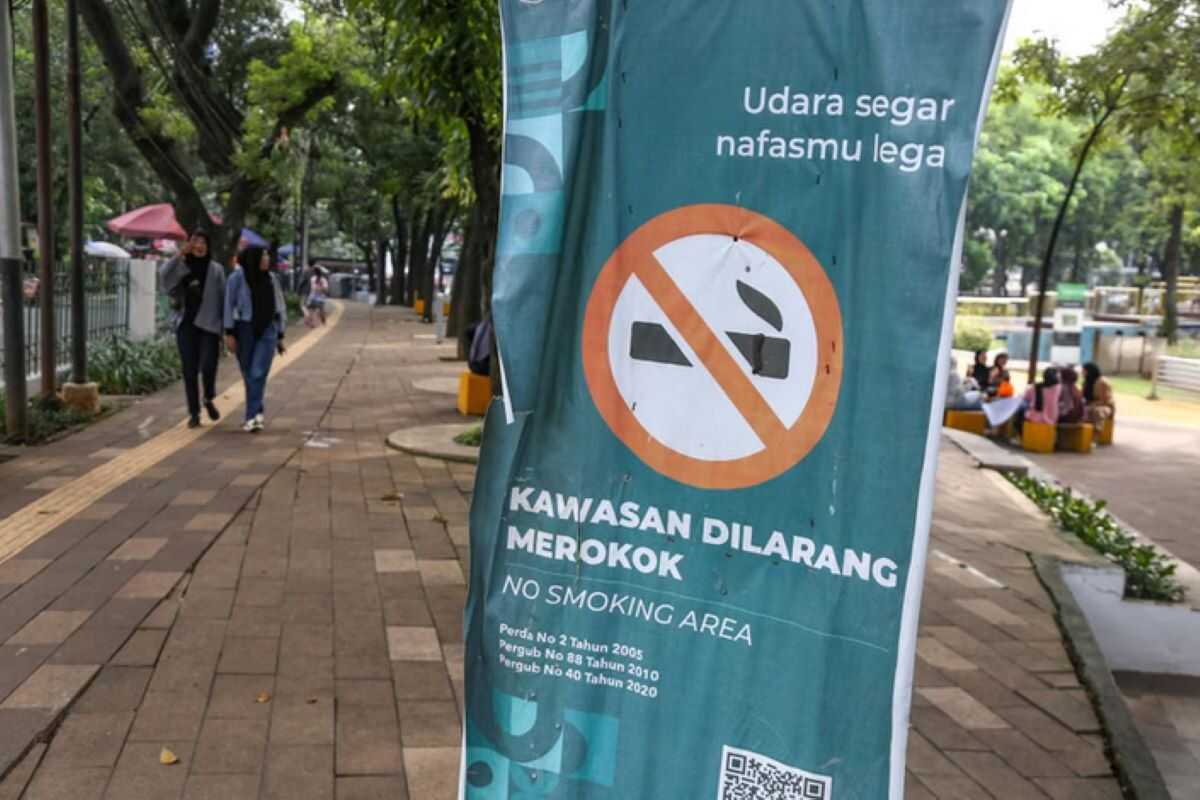
The Indonesian Retail and Mall Tenants Association (Hippindo) has reminded the DKI Jakarta Provincial Government to prioritize fairness and rationality in implementing Regional Regulation No. 7 of 2025 concerning Smoke-Free Zones (KTR).
The Chairman of the Hippindo Advisory Board, Tutum Rahanta, emphasized that tobacco products are legal commodities that have been subject to strict supervision and regulation.
“There have been regulations in place to control tobacco products. Who is allowed to buy, age restrictions, display methods, all of these are regulated. Just enforce the existing regulations. The government must be wise in implementing the KTR Regional Regulation,” said Tutum in an official statement on Thursday (February 26).
Economic Impact and Retail Ecosystem
Tutum asked the DKI Jakarta Provincial Government to carefully consider the potential economic impact, especially regarding the proposed total ban on advertising and displays of tobacco products in shopping centers.
According to him, overly restrictive policies can disrupt the business ecosystem involving many parties, including the MSME sector.
“There are people, there are MSMEs, who make a living from the tobacco ecosystem. There is job creation and contributions to state revenue that need to be considered,” he added.
As an illustration, Hippindo currently represents around 200 to 300 retail companies and mall tenants. Of this number, 50% operate in the middle to upper market segment. In total, the organization employs around 800,000 workers.
Compliance by Business Actors
Tutum explained that so far, business actors have shown compliance with sales regulations. This includes placing products in limited areas (behind the counter) and strict supervision of age restrictions for buyers.
“Cigarettes are legal products that are allowed to be displayed and advertised according to the rules. We have followed the procedures in place, so they cannot be accessed by minors,” said Tutum.
He also hopes that the implementation of the KTR Regional Regulation in Jakarta will not create a domino effect that harms the business climate in other regions.
“Let’s not let this KTR Regional Regulation become a symbol of prohibition that is imitated by other regions and actually causes economic distortions. Its implementation must be fair,” he concluded. (Far/P-2)
The implementation of the DKI Jakarta Provincial Regulation No. 7 of 2025 concerning Smoke-Free Zones (KTR) is considered to be able to suppress the economic space of the people.
INKOPPAS asked the DKI Jakarta Provincial Government to postpone the technical rules of KTR because it is considered to have the potential to reduce the income of small traders.
He reminded that the technical rules should not create sanctions that actually burden micro, small and medium enterprises (MSMEs).
The Secretary General of the Indonesian City Residents Forum (FAKTA), Tubagus Haryo Karbyanto. He highlighted the elimination of administrative sanctions for the prohibition of displaying cigarette products in places of sale.
Data for 2024 shows that the implementation of a healthy environment through the implementation of Smoke-Free Zones (KTR) in the city of Bandung has covered 725 locations.
Perumda Air Minum PAM JAYA targets the distribution of 2,000 free water tanks throughout 2026 for residents of Jakarta, especially customers in certain categories, to support equitable access to clean water.
As of February 23, 2025, as many as 185 padel court buildings in Jakarta have not obtained official permits.
The ShopBack shopping and rewards platform is collaborating with Jago Coffee to distribute a total of 10,000 free cups of coffee as iftar meals for the community.
The Deputy Chairman of the Indonesian House of Representatives (DPR RI), Prof. Sufmi Dasco Ahmad, urged the postponement of the import of 105,000 pickup trucks from India for the Red and White Village/Urban Cooperative program.
The Indonesian Pediatrician Association (IDAI) together with professional and academic organizations highlighted the mutation and termination of four pediatric specialists which were considered unfounded.