
Hino Strengthens Local Investment to Position Indonesia as Global Export Base
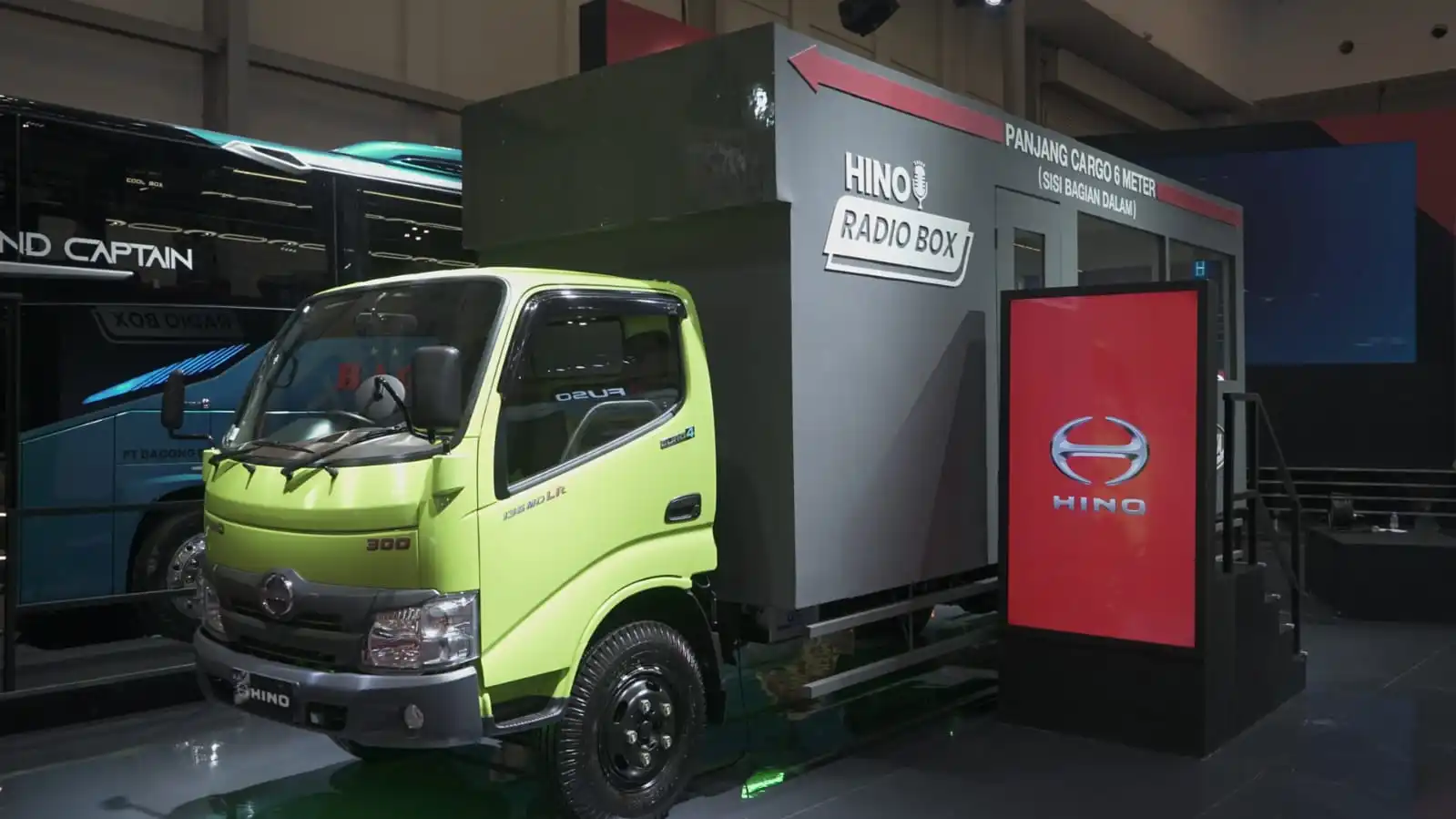
PT Hino Motors Sales Indonesia (HMSI) has announced the strengthening of its investment in Indonesia’s automotive industry, with the total reaching USD112.5 million. Converted to rupiah, Hino’s domestic investment amounts to approximately Rp1.92 trillion (exchange rate of 1 USD = Rp17,140 as of 18 April 2026). This investment supports the production capacity of Hino vehicles up to 75,000 units per year and absorbs around 1,547 workers. HMSI views the national commercial vehicle industry as continuously strengthening, prompting Hino to increase investment and expand production in Indonesia. The government is also encouraging these steps as a strategy to bolster the competitiveness of the national automotive industry. This was revealed during a meeting between Deputy Minister of Industry Faisol Riza and Hino’s management team, including Satyakam Arya, President & CEO of Hino Motors Ltd Japan, Shingo Sakai, President Director of PT Hino Motors Sales Indonesia (HMSI), and Hiroshi Terawaki, President Director of PT Hino Motors Manufacturing Indonesia (HMMI). The meeting between Hino and the government also discussed the direction of commercial vehicle industry development, strengthening the manufacturing base, and opportunities to position Indonesia as a global production and export centre. In addition to strengthening the domestic market, Hino is beginning to position Indonesia as a hub for exporting commercial vehicles, supported by local production facilities and supply chains. Hino also sees Indonesia as having great potential to serve regional and global markets. On the other hand, Hino continues to increase the local content of its products. Currently, the Domestic Component Level (TKDN) for Hino vehicles produced in Indonesia ranges from 44.35% to 57.26%. Additionally, there are six models, such as the Hino 300 Series, with a TKDN reaching 71.85%. The increase in TKDN for Hino vehicles is claimed as a step to strengthen the domestic component industry, while also driving added value for the national economy. Beyond the production sector, the Japanese automotive brand is also playing a role in developing human resources through vocational programmes, providing laboratory facilities, and collaborating with educational institutions to improve the quality of the automotive industry workforce. Shingo Sakai, President Director of HMSI, stated that the company is also continuing to develop after-sales services to support business activities of entrepreneurs in driving the domestic economy. “In addition to focusing on increasing local production, we are also ensuring comprehensive after-sales support to maintain customer vehicle performance. Through a widespread service network, availability of spare parts, periodic maintenance services, and professional technical support, we aim to ensure that customer operations remain optimal and productive across various industrial sectors,” he concluded in an official statement on Saturday, 18 April 2026.