
HIMKI Pushes for Development of Distribution Hubs in Response to Global Dynamics
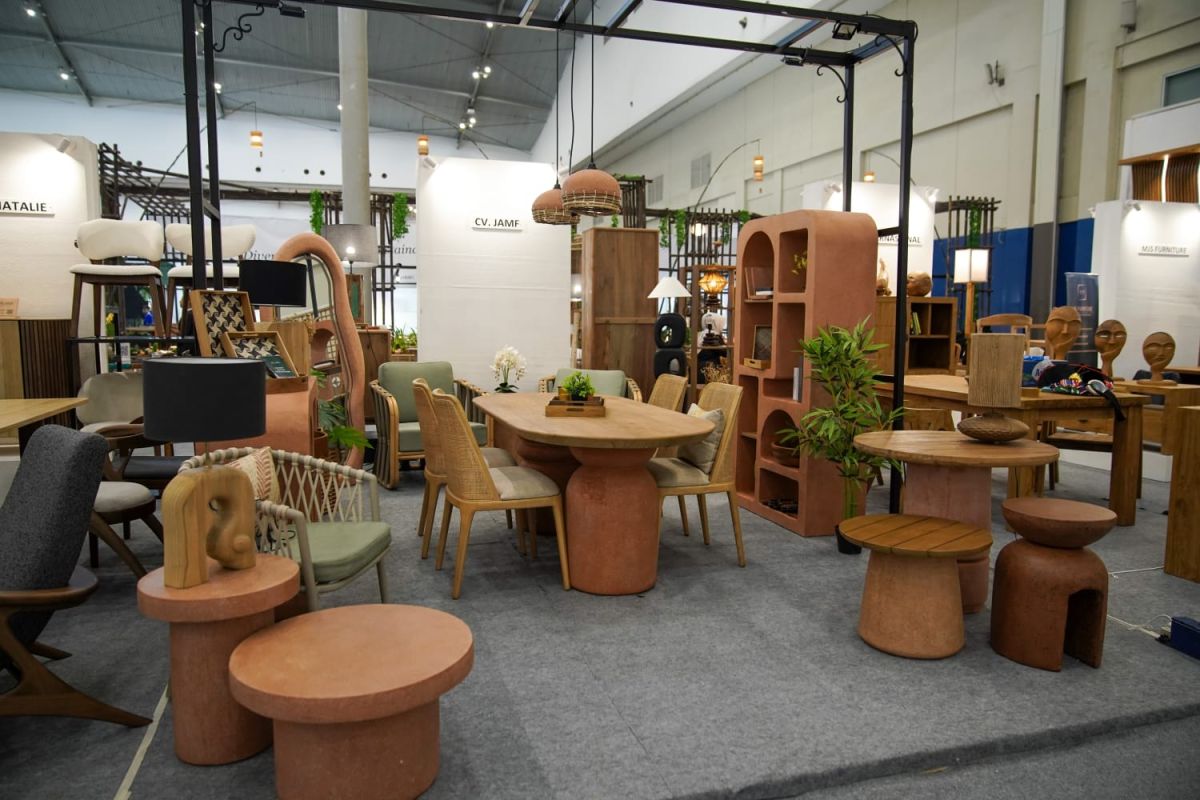
The escalation of conflict in the Middle East has impacted the activities of the furniture and handicraft sector, which relies on global supply chains.
Jakarta (ANTARA) - The Indonesian Furniture and Handicraft Industries Association (HIMKI) is pushing for the development of marketing and distribution hubs in global markets as a strategic step to address geopolitical dynamics and global economic uncertainties.
HIMKI General Chairman Abdul Sobur, in a confirmed statement in Jakarta on Sunday, emphasised that global geopolitics, particularly the escalation of conflict in the Middle East, has affected the activities of the furniture and handicraft sector that depends on world supply chains.
He explained that disruptions to logistics routes, shipment delays, and increased buyer caution in making payments are clear signals that geopolitical dynamics have reached the domestic economy.
“Goods are held up, shipments are delayed, and payment rhythms are slowing,” he said.
According to Sobur, this situation indicates that the sector is now facing a changing landscape that is no longer just market fluctuations, but structural shifts influenced by geopolitical factors.
“What we are facing is not just market fluctuations, but a shift in the global landscape. In situations like this, industrial resilience is not only determined by production capacity, but by the ability to adapt to uncertainty,” he stated.
In response, HIMKI is promoting strategic steps in the form of export market diversification and strengthening alternative distribution routes to reduce dependence on certain regions.
One concrete initiative currently being pushed is the establishment of marketing and distribution hubs in Europe, the United States, and Canada.
According to him, this step is considered important to shorten supply chains, increase proximity to markets, and strengthen the competitiveness of Indonesian products.
“HIMKI is pushing for the formation of hubs in Europe, America, and Canada as part of a medium-term strategy. This is not just expansion, but an effort to build a more stable and adaptive distribution system to global changes,” he explained.
Sobur emphasised that this initiative requires government support, both in terms of policy, financing, and trade diplomacy, so that its implementation can run optimally.
Looking ahead, HIMKI views this moment of global pressure as a point of reflection to build a more resilient, flexible, and adaptive industrial system to risks.
He is optimistic that with the right strategy and close collaboration between the government and business actors, Indonesia will not only be able to survive, but also strengthen its position in the global supply chain.
“This is not just about surviving, but how we turn pressure into momentum to level up,” he said.
Previously, the Ministry of Industry (Kemenperin) targeted Indonesia to become a global furniture manufacturing hub through strengthening sustainable wood downstreaming and increasing national industry competitiveness.
Minister of Industry (Menperin) Agus Gumiwang Kartasasmita stated that the furniture industry is a crucial model of wood downstreaming because it is labour-intensive, creates added value, and provides multiplier effects for domestic economic growth.
“This sector also absorbs hundreds of thousands of workers and is directly connected to the global market worth more than $736.21 billion. In the next five years, Indonesia is projected not only to increase production capacity, but also to lead in design and sustainability aspects,” he said.