
Highlighting Amsal Sitepu Case, Practitioners Demand Protection for Creative Workers
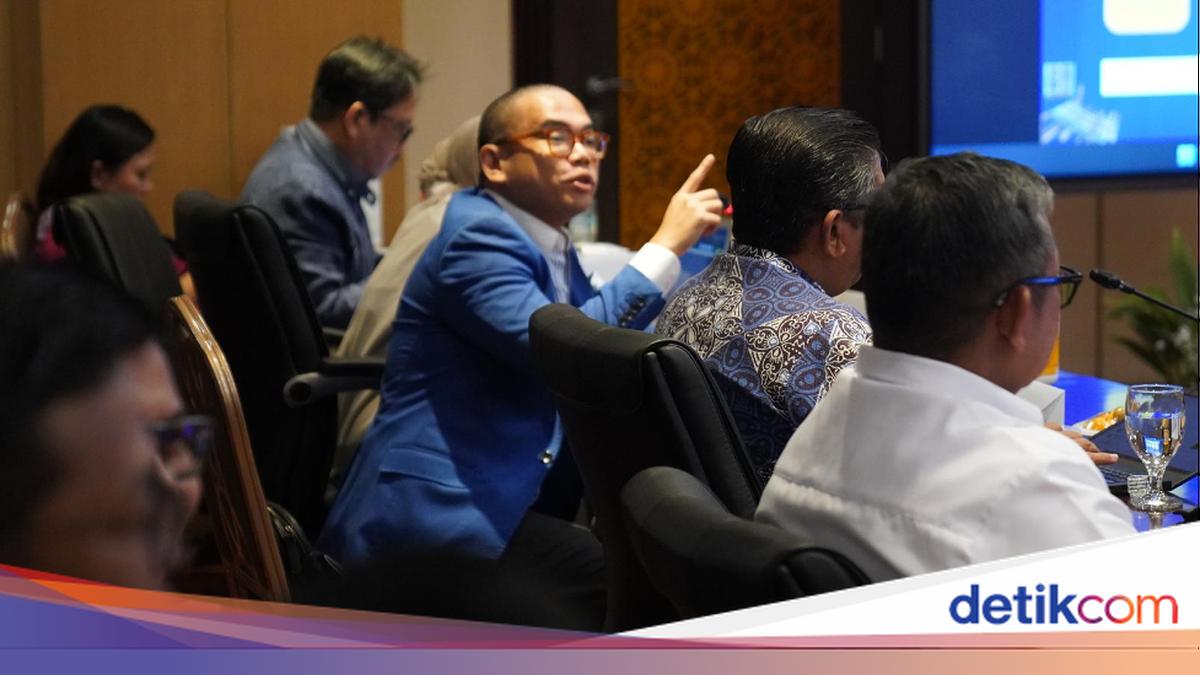
Legal practitioner and Managing Partner of Frank Solicitors, Frank Hutapea, has responded to the developments in the legal case ensnaring creative worker Amsal Sitepu in North Sumatra (Sumut). According to Frank, there is a need to strengthen legal protections for workers in the creative economy (ekraf) sector. Frank expressed full support for the position of Gerakan Ekonomi Kreatif Nasional (Gekrafs) Chairman Kawendra Lukistian, who has requested that creative workers be protected from legal entanglements, especially if they are working professionally without malicious intent to harm the state. “The creative economy ecosystem has unique characteristics that require legal certainty so that its actors can innovate without the shadow of criminalisation. We urge the Head of the High Prosecutor’s Office (Kajati) and Deputy Head of the High Prosecutor’s Office (Wakajati) of North Sumatra to conduct a thorough review of the substance of the case and the demands imposed in this matter,” Frank stated in a written release on Tuesday (31/3/2026). Frank added that law enforcement officials need to clearly assess whether there is mens rea (malicious intent) to harm state finances, or whether the issue is purely in the realm of administrative matters and professional conduct. Previously, Gekrafs Chairman Kawendra Lukistian emphasised that creative workers are national assets that must be covered by fair regulations. Without adequate protection, there is concern that collective fear will emerge among creative service providers in collaborating with public or private institutions. “Creative economy actors are like one body. If one is wronged, all creative economy actors feel wronged,” Kawendra said during a hearing with Commission III of the Indonesian House of Representatives (DPR RI) on Monday (30/3). “We want our brother Amsal to be fully released,” he added. The case afflicting Amsal originated from his involvement in a capacity-building service procurement project at one of the institutions in Sumut. In the trial, Amsal is accused of involvement in practices that harm state finances related to the implementation of that activity. However, Amsal’s position as a creative technical executor has triggered debate regarding the extent to which criminal responsibility can be imposed on service workers who have no authority over budget policies. The heavy demands submitted by the prosecutor against Amsal are now under sharp scrutiny because they are seen to blur the boundaries between administrative negligence and criminal corruption acts. Legal practitioners assess that Amsal was merely carrying out his professional function as a service provider in accordance with the contract, without strong evidence of motives to unlawfully enrich himself. A review of this case is hoped to provide a fairer legal precedent for thousands of other creative workers in Indonesia.