
Higher Education Minister Promotes Maggot Farming Technology to Address Indonesia's Waste Crisis
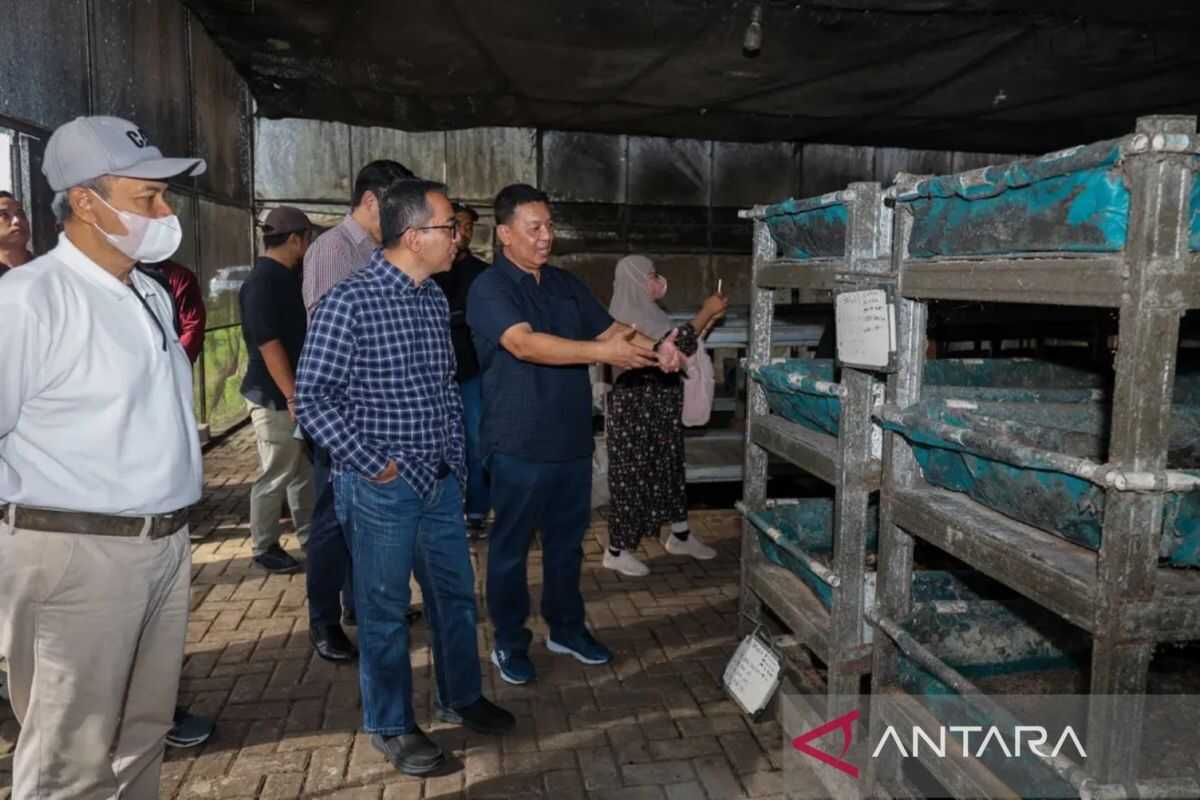
Jakarta — Indonesia’s Minister of Higher Education, Science, and Technology Brian Yuliarto is promoting the adoption of organic waste processing technology through maggot farming to address the nation’s waste crisis.
In an effort to establish new standards for community-based environmental management, he emphasised the involvement of higher education institutions in reviewing waste management in the private sector and residential areas that have their own material recovery facilities (MRF) or independent processing systems.
“For complexes that have already implemented processing systems, they will be awarded green or prowaste labels, and universities will conduct the reviews and assessments,” he stated during a press briefing in Jakarta on Monday.
He noted that large-scale implementation of bioconversion technology has shown significant results, particularly in sectors characterised by high organic waste, such as tourism and housing.
Maggot farming was selected as the waste processing method because it has proven capable of reducing residue to as low as 3 percent in the tourism and residential sectors.
“This data will serve as the primary foundation for every region in developing science-based waste management master plans,” he said.
Minister Brian encouraged collaboration between universities and industry, including maggot farmers, to address waste management in a way that also benefits communities.
He previously emphasised that higher education institutions play a strategic role in accelerating waste management efforts across the country. He called on universities to function as living laboratories for environmentally friendly technological innovations, ranging from organic waste processing and recycling to waste-to-energy conversion.
President Prabowo Subianto has directed all levels of government—both central and regional—to maintain consistency in waste management efforts. Concrete emergency waste management measures are being implemented through the Indonesia Safe, Healthy, Orderly, and Beautiful (ASRI) Movement, a direct response to the President’s directive to strengthen consistent environmental cleaning and sustainable waste management practices across Indonesia.