
High Plastic Prices Prompt Cimahi City Government to Seize Opportunity to Change Public Behaviour
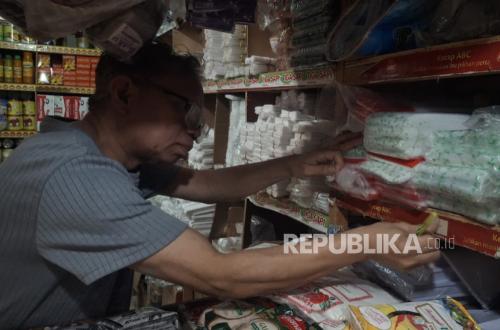
REPUBLIKA.CO.ID, CIMAHI — The rise in plastic prices on the market is beginning to be addressed by local government. The Cimahi City Government views this momentum as an opportunity to curb dependence on single-use plastics.
Head of the Cimahi City Environmental Agency, Chanifah Listyarini, stated that the spike in plastic prices should be used as a moment to change public behaviour. Plastic has so far been one of the largest contributors to waste in Cimahi City.
Plastic prices are known to have risen in line with the escalating conflict in the Middle East between the United States and Iran, which is disrupting raw material supplies. This situation is prompting local government to accelerate efforts to restrict usage.
“The rise in plastic prices will certainly spur us to more actively campaign against the use of single-use plastics. For example, when drinking, bring a tumbler; when shopping, do not use plastic,” said Chanifah on Sunday (12/4/2026).
The Cimahi City Government is now preparing regulations to ban single-use plastic bags in the form of a Mayoral Regulation (Perwal). This regulation is currently being discussed with the Legal Section of the Regional Secretariat of Cimahi City to give it binding force.
In the initial stage, the policy will target modern stores. The government will collaborate with retailers’ associations to implement restrictions on plastic bag usage at the retail level.
“So we will prepare the mayoral regulation, together with the Legal Section. We previously socialised this to retailers, but it was not binding because there was no regulation yet; now we will bind it with rules. So the initial target is retail first,” said Chanifah.
The Cimahi Environmental Agency records that the total waste production in the city reaches around 250 tonnes per day. Of that amount, about 27 percent comes from various types of plastic.
In addition to its large volume, plastic is also difficult to decompose due to its synthetic polymer structure, which is not recognised by microorganisms. The impacts are widespread, from soil, water, and sea pollution, to health risks from microplastics.
“So with the rising plastic prices, hopefully usage will continue to decrease. Because plastic contributes significantly to the waste volume,” said Chanifah.