
Hidden Dangers of Flood-Damaged Used Cars: Detecting Engine Wiring Damage
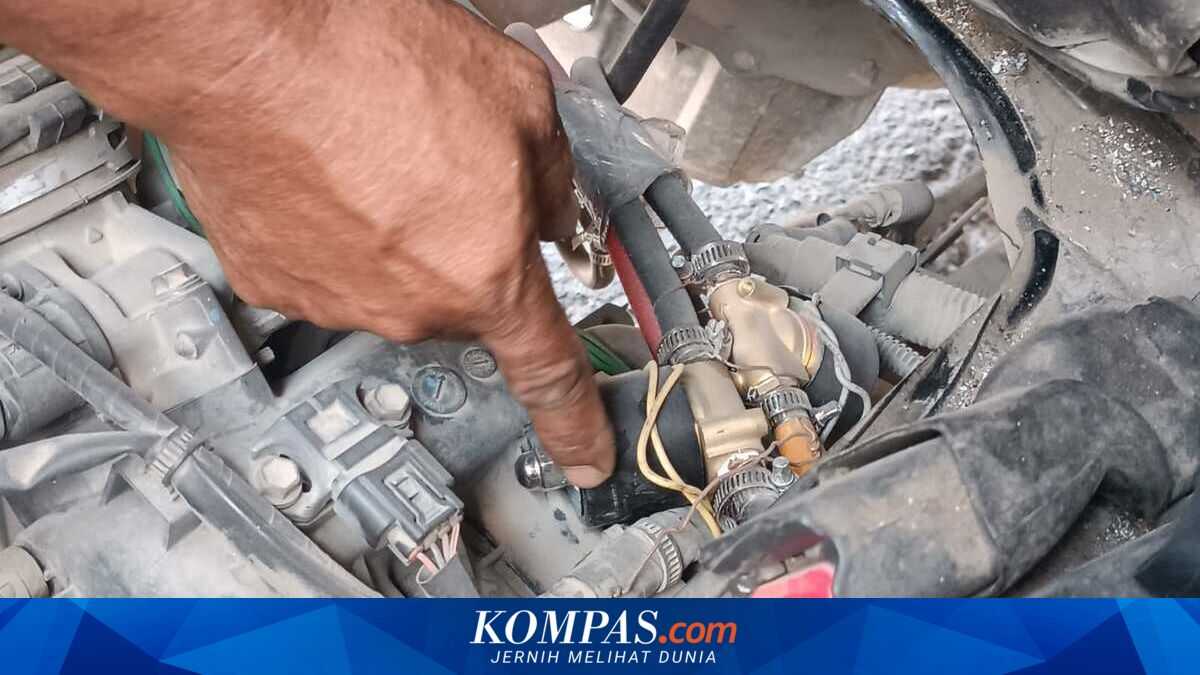
Jakarta – Purchasing used vehicles requires extra vigilance, particularly when there is suspicion that the vehicle has been exposed to flood damage.
One component that often escapes attention is the wiring in the engine compartment. If previously submerged in water, the risks extend beyond rust to include damage to electronic modules, which can be costly to repair.
“Visually, there will certainly still be dried mud residue clinging to every gap in the wiring,” said Hakim to Kompas.com last week.
Hakim stated that wiring must be examined carefully because water entering electronic modules can trigger corrosion and system malfunctions. The problem, he noted, is that damage does not always manifest immediately.
“What is most concerning is water entering the ECU and other electrical modules, such as the transmission control module (TCM), the SRS module for airbags, and also the BCM, amongst others,” he explained.
“These components are manufactured to be as sealed as possible by the factory, but as the vehicle ages, the factory-applied sealant will inevitably develop gaps that allow water to seep in,” he stated.
Dried mud still clinging to engine components, particularly in the corners of the condenser and radiator, serves as an indicator of past flood exposure that warrants careful inspection during the purchase process.