
Herd Immunity Weakens as IDAI Flags Surge in Measles Cases
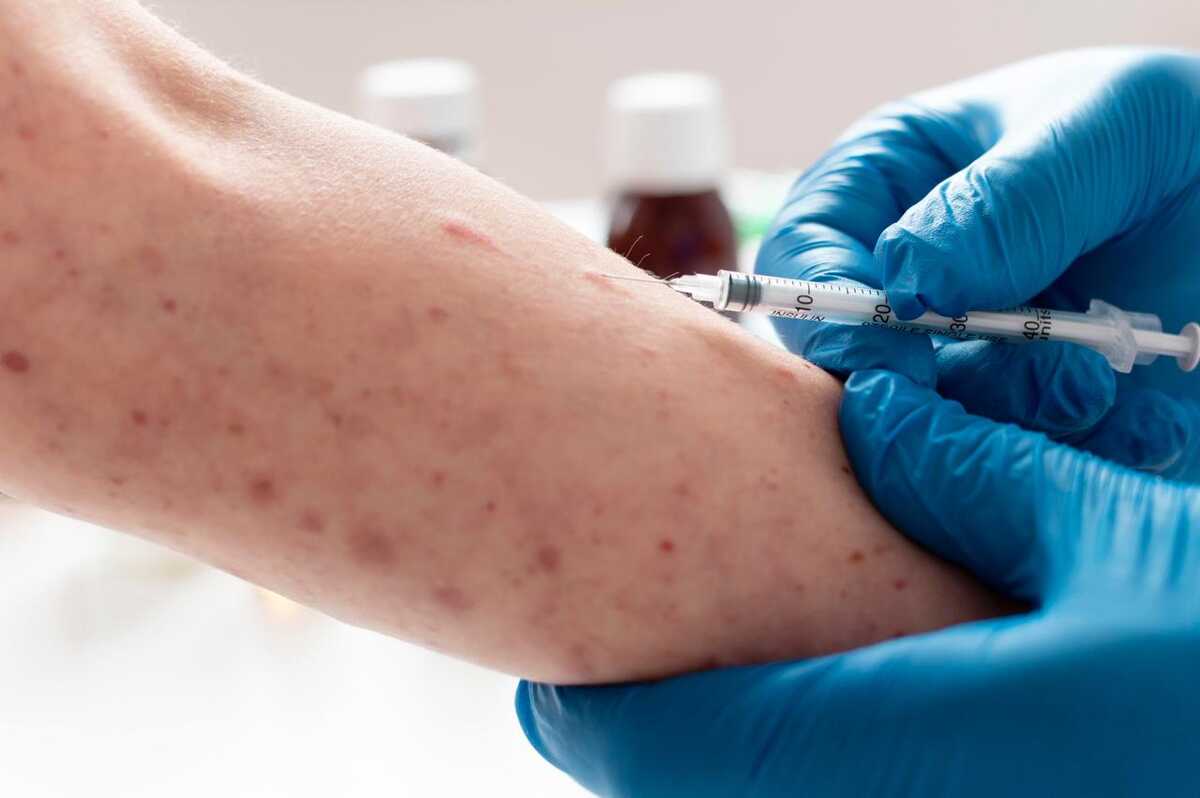
The Indonesian Child Paediatricians Association (IDAI) has highlighted a resurgence in measles cases across several Indonesian regions, linked to weakening herd immunity or group immunity. The decline in childhood immunisation coverage in recent years has created significant immunity gaps, making it easier for the virus to spread throughout communities.
Measles is a highly contagious disease with a basic reproduction number (R0) ranging from 12–18. This means one infected person can transmit the virus to dozens of individuals who lack immunity. To prevent outbreaks, a minimum immunisation coverage of 95% is required to establish effective herd immunity.
Data from the Indonesian Ministry of Health shows that national childhood immunisation coverage declined during the Covid-19 pandemic. In 2021, basic immunisation coverage stood at around 84%, falling short of the national target of 95%. This decline resulted in an increase in children not fully immunised against measles and rubella (MR).
Globally, reports from the World Health Organisation (WHO) and UNICEF through the WHO/UNICEF Estimates of National Immunisation Coverage (WUENIC) indicate major disruptions to routine immunisation services since 2020. The WHO reported approximately 9 million measles cases worldwide in 2022 and 128,000 deaths, predominantly among children. This surge is closely linked to reduced vaccination coverage across various countries.
In Indonesia, low immunisation rates are influenced by several factors, including disrupted health services during the pandemic, unequal distribution of services, and increasing vaccine hesitancy. This situation increases the risk of measles outbreaks in areas with low immunisation coverage.
Measles is not merely a disease presenting with fever and rash. Serious complications including pneumonia, severe diarrhoea, brain inflammation (encephalitis), and death can occur, particularly in malnourished children or those with weakened immune systems. Consequently, immunisation remains the most effective and evidence-based prevention strategy.
The government through the National Child Immunisation Month (BIAN) programme is working to catch up on vaccination coverage gaps by targeting children aged 9 months to 12 years for additional immunisation. This effort aims to close the immunity gaps that have developed in recent years.
Child health experts emphasise that without consistency in routine immunisation and increasing coverage above 95%, the risk of measles case surges will persist. Strengthening herd immunity is key to preventing recurrent outbreaks and protecting Indonesia’s children from preventable diseases. Suspected measles cases in 2025 increased significantly by 147 percent compared to 2024, making early warning system strengthening a top priority.
In Tasikmalaya, the municipal health office confirmed 11 children tested positive for measles following laboratory tests. In Batam, the health office recorded 9 measles cases and 2 rubella cases by August 2025, with no reports of serious complications.