
Hendrosari Village Rises: SMEs and Economy Thrive Thanks to BRILian Village Programme
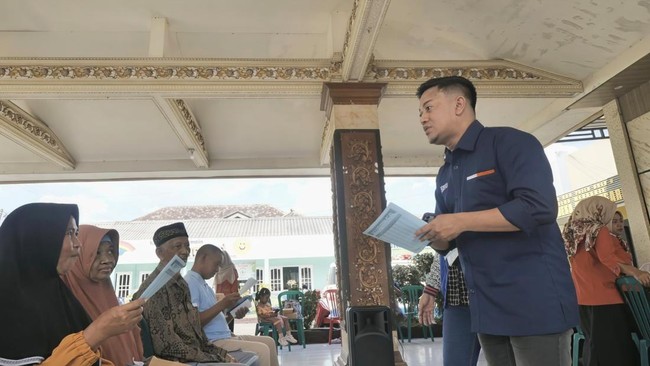
Spanning approximately 190 hectares in Hendrosari Village, Menganti District, Gresik Regency, the lush lontar trees are not merely a distinctive natural landscape but have become the primary source of livelihood for the community. For context, Hendrosari Village is renowned as a centre for legen production, a traditional drink derived from lontar flower sap, supported by thousands of trees that underpin local economic activities. The village’s economic transformation has gained momentum since the launch of the Lontar Sewu Educational Tourism destination in 2019, developed under the Ministry of Villages’ Regional Social Economic Infrastructure Development Programme (PIID-Pel). Ultimately, this tourism site has served as a catalyst for local potential-based economic growth, integrated with SME development and community empowerment. The tourism area’s development stems from a desire to optimise the village’s overall potential, which includes around 3,600 lontar trees and substantial SME opportunities. Presently, the destination absorbs dozens of local workers while driving business growth in the surrounding area. Records show 63 local residents employed, along with 47 active SMEs operating and expanding within the tourism ecosystem. Even during peak visitation periods, the number of involved SMEs has reached over 100 businesses. Hendrosari Village BUMDes Director Aristoteles stated that the tourism presence has sparked the emergence of various new businesses in the community. “The development of Lontar Sewu Edu Tourism has encouraged the rise of many stalls and independent businesses, further strengthening the village economy,” he said in his statement on Monday (30/3/2026). Significant changes have also been felt by legen farmers, particularly in marketing patterns, which have shifted dramatically. Previously, farmers had to travel from market to market to sell legen; now, buyers come directly to the village tourism site. On the other hand, support from BRI through People’s Business Credit (KUR) financing and production facility aids like cooling machines has delivered tangible impacts on the sustainability of farmers’ businesses. BRI is not only present as a financing access provider but also as a strategic partner offering concrete solutions tailored to village business needs. Through a sustainable approach, BRI contributes to enhancing the capacity and competitiveness of the community’s economy. BRI Micro Director Akhmad Purwakajaya stated that the Desa BRILiaN programme is a strategic BRI initiative to strengthen the foundation of people’s economy through village empowerment. “The Desa BRILiaN programme focuses on four main pillars: strengthening village institutions such as BUMDes and cooperatives, digitalisation of financial services via BRImo and AgenBRILink, sustainable economic development, and village innovation. BRI consistently provides guidance to enable villages to optimise their potential independently,” he explained. He continued that to date, the Desa BRILiaN programme initiated by BRI has reached more than 5,200 villages across Indonesia and continues to expand to create new economic growth centres in various regions. Hendrosari Village’s success demonstrates that managing local potential integrated with the right ecosystem support can create inclusive and sustainable economic growth. Through collaboration between the village government, BUMDes, SME actors, and ongoing support from BRI, this village continues to advance as a self-reliant, productive, and competitive tourism village.