
Heavy Burden on Sanitation Workers Sorting 50 Tons of Waste at Mengwitani TPST
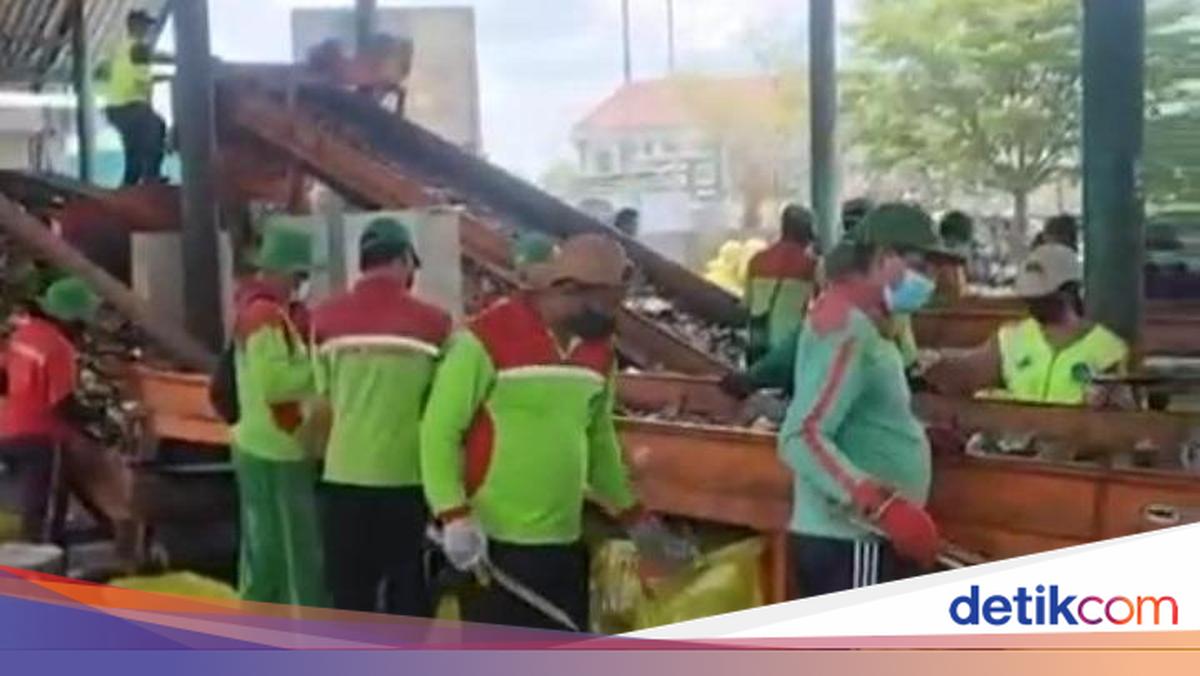
The situation at TPST Mengwitani in Badung is currently critical, with the volume of wild waste entering averaging 40 to 50 tons per day in an unsorted state. The mountain of waste, dominated by refuse from tourism areas, must be manually sorted immediately by hundreds of street sanitation workers so that processing machines such as gibrik machines and shredders can operate at maximum capacity and speed to avoid overload.
However, the intensive sorting activity amid the piles of waste that are beginning to rot poses serious health threats, from respiratory tract disorders due to the pungent air pollution to the risk of tetanus infection for the field workers.
The Badung District Health Office (Dinkes) has prepared medical personnel to ensure the health and safety of the sanitation workers sorting waste at TPST Mengwitani. The Head of the Badung Health Office, Bagus Padma Puspita, emphasised that the workers are currently in a highly vulnerable condition for exposure to diseases and work accident risks in the waste piles.
“We must support their stamina and physical condition because they are prone to getting sick here; even yesterday someone fell and had their leg stitched up. We provide medicines, vitamins, and injections to maintain their stamina so it doesn’t drop,” said Bagus Padma Puspita on Sunday (19/4/2026).
This health service provision involves teams of doctors and nurses from Dinkes Badung who are on standby alternately at the waste processing site. In addition to routine checks, personnel are also anticipating serious infection threats such as tetanus, which can be fatal for field workers.
“We also have an ambulance on standby in case of emergencies. The men and women here face great risks; if they step on a nail, it could lead to tetanus, and the threat could be death if not treated quickly,” Bagus explained.
As many as 900 sanitation workers must sort around 40 to 50 tons of wild waste daily that comes from tourism areas in a mixed condition. She assessed that the physical burden on the assigned workers is heavy because they work from dawn.
“Imagine working for hours standing and sorting waste; their knees must ache terribly, especially with the air pollution causing breathlessness even for non-smokers. We are on standby every day with assistance from several community health centres so that if anyone falls ill, they can be treated immediately,” she added.
Dinkes Badung, Bagus firmly stated, has also distributed thousands of vitamin packages and prepared a special application to respond to emergency conditions in the work area. Her side is ready to secure the health aspects of the entire ‘ant army’ to prevent mass health disruptions due to the extreme working environment.