
Heart Disease Burden of Rp17 Trillion, Health Minister Pushes for Screening at Community Health Centres
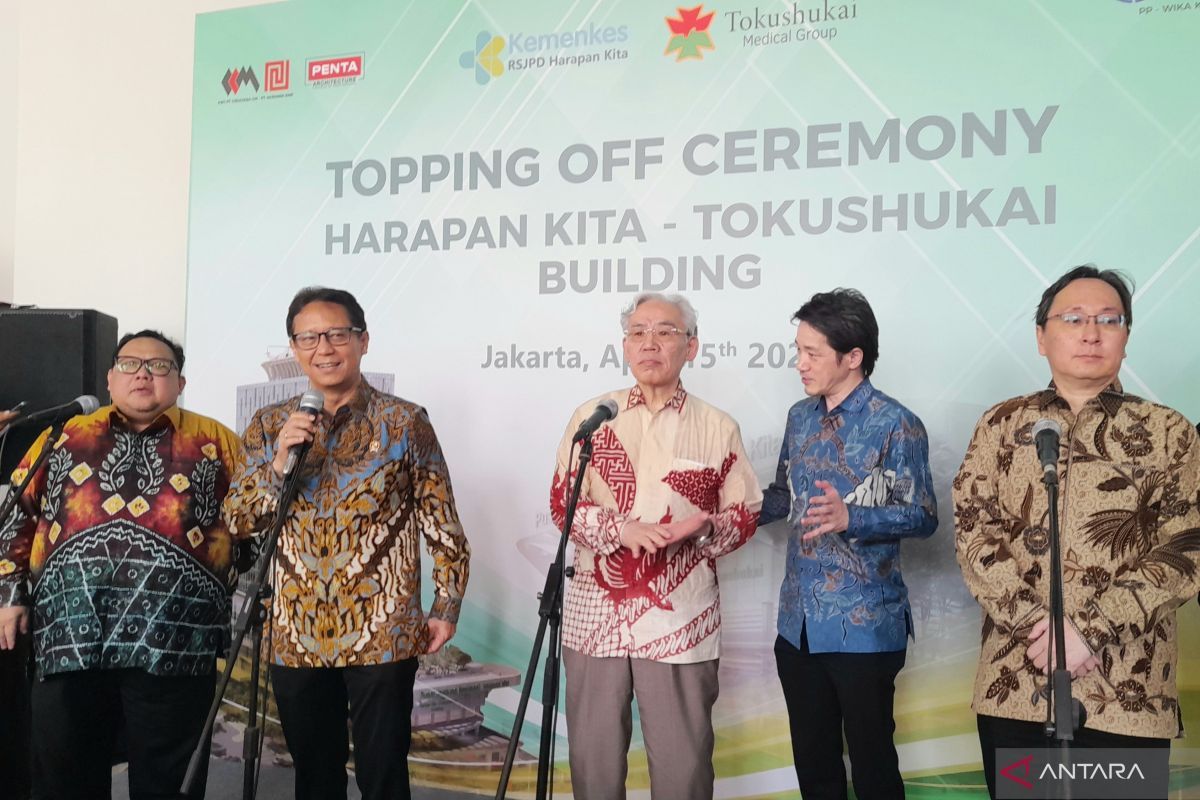
Jakarta (ANTARA) - Health Minister Budi Gunadi Sadikin continues to push for strengthening heart disease prevention through screening at puskesmas to tackle the financing burden of heart disease, which can reach Rp17 trillion per year. “If someone suffers a heart attack, it’s already too late; ideally, they should be monitored while still healthy. Most heart attacks are caused by high blood pressure, high blood sugar, and frequent smoking, so the Ministry of Health’s task is to ensure that screening reaches the puskesmas level,” he said at the Harapan Kita National Heart and Blood Vessel Centre (RSJPD Harapan Kita), Jakarta, on Wednesday. In addition, the minister continued, the government has implemented the Free Health Check Programme (CKG) to detect disease risks early as an effort to enhance promotional and preventive measures to improve the quality of life for Indonesians. “If we have high blood pressure, high sugar, or smoke, it can be handled from the puskesmas through CKG. If (high blood sugar, smoking, high blood pressure) are left for three to five years, it will definitely lead to a heart attack or stroke; now, the Ministry of Health has started designing detection from the puskesmas,” he stated. “It can be handled using prophylaxis; there are techniques that can be done at puskesmas by the local residents connected there, thus reducing the number of people going to hospitals and easing the BPJS burden,” Budi said. The Ministry of Health, together with Japan’s Tokushukai Medical Group, has also designated RSJPD Harapan Kita in Jakarta as the largest heart education and research centre in Asia. “We have been exchanging doctors, exchanging knowledge, and now we are exchanging assets again; not only is the number of doctors increasing over time, but the amount of knowledge is also growing,” the minister said. Budi also hopes that with strong collaboration between the two parties, heart health services for Indonesians can improve further, given that every year, heart disease becomes the largest cost burden for BPJS Kesehatan. “The hope is that taller buildings will not only increase physical capacity but also enhance knowledge, medical personnel skills, and the quality of heart health services for Indonesians,” he stated.