
Health Warnings During Eid al-Fitr: Halodoc Reveals Disease Trends and Wellness Tips
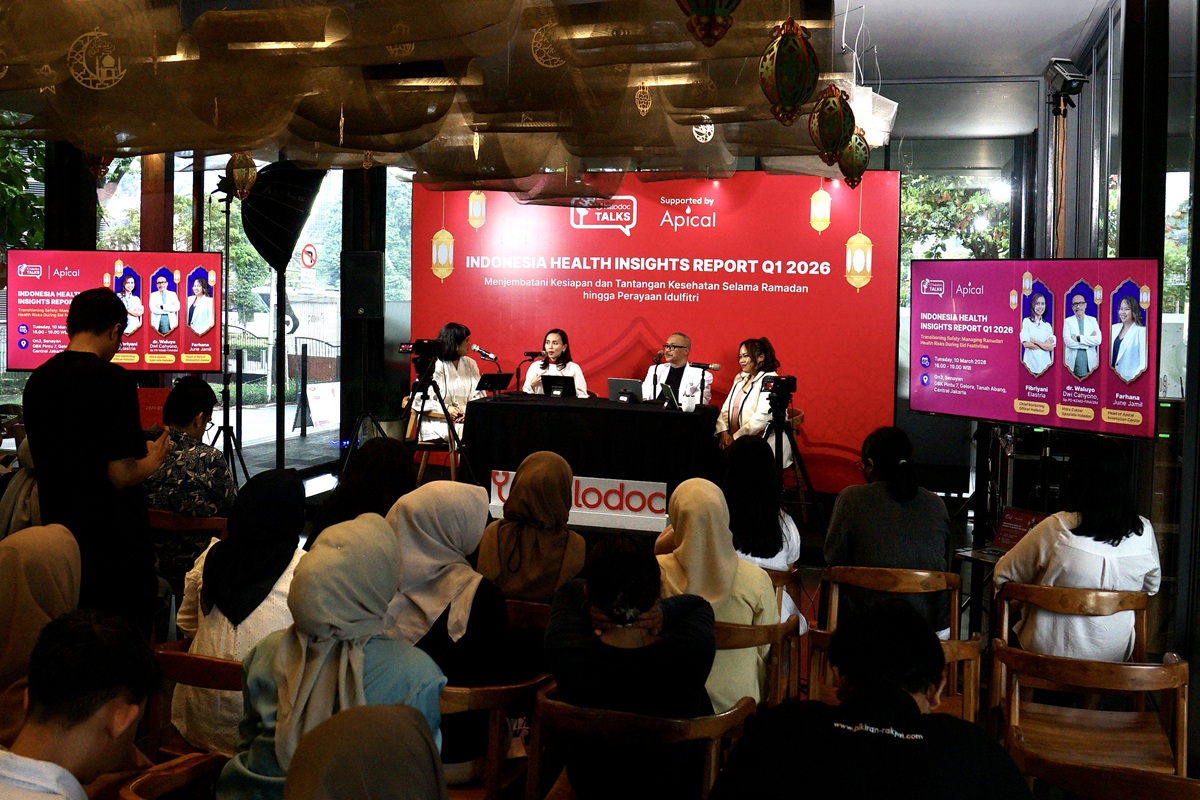
Eid al-Fitr celebrations often mark an eagerly anticipated peak festive period, yet beneath the merriment lie significant physical and mental health dynamics requiring caution. Halodoc’s Indonesia Health Insights Q1 2026 report, titled “Bridging Health Preparedness and Challenges During Ramadan through Eid al-Fitr Celebrations,” has revealed crucial findings regarding public health conditions.
Data demonstrates that anxiety disorders increase progressively, peaking in the third week of Ramadan at 27% above weekly average levels. The most commonly reported symptoms include sleep disturbances, heart palpitations, and chest tightness, triggered by Eid travel preparations and social dynamics surrounding the festive season. These psychological conditions directly impact immune resilience, including reports of throat inflammation caused by elevated stress hormones.
Notably, the public is becoming increasingly proactive in monitoring bodily conditions. Based on 2025 data, there was a sharp 95% rise in cholesterol and blood glucose laboratory tests one week after Eid al-Fitr. Additionally, purchases of dietary health products and digestive supplements surged by 62%.
The primary recorded physical challenge was digestive problems. Constipation complaints peaked during Eid week (up 37%), with medical consultations at dawn hours increasing 593%. Meanwhile, diarrhoea complaints rose on average 13% in the two weeks following the celebrations.
Fibriyani Elastria, Chief Marketing Officer of Halodoc, explained that despite adaptation challenges, the public is now better prepared to mitigate risks.
“Eid al-Fitr is a much-anticipated moment for family gatherings and enjoying special traditional dishes. We understand how significant this time of togetherness is, and our report shows that people are beginning to celebrate in a more balanced manner. Although there are physical and mental challenges such as bodily adaptation, including increased constipation and diarrhoea complaints, the rise in independent health check-ups demonstrates that society is increasingly ready and empowered to mitigate these risks,” Fibriyani stated.
During Halodoc Talks Episode 2, Halodoc partnered with Apical to emphasise the importance of food selection, particularly avoiding trans fats in Eid dishes. Farhana June Jamil from Apical Innovation Centre (AIC) noted that current technology enables healthier oil processing without compromising traditional flavours.
“The challenge lies in choosing food wisely, particularly in controlling trans fat consumption, which poses health risks. Apical is committed to ensuring that local wisdom in festive dishes maintains its deliciousness whilst meeting superior global health standards for Indonesian families’ wellbeing,” Farhana stated.
In conclusion, Dr Waluyo Dwi Cahyono, Internal Medicine Specialist and Halodoc Partner, advised the public to maintain balanced meal portions, ensure adequate hydration, and allow the body time to adjust to normal eating patterns so that the festive season can be enjoyed optimally.