
Health Tips for Elderly Fasting: Director of Assakinah Medika Hospital Reminds of Sodium Limits and Sugar Management
Fasting during Ramadan requires special attention to diet and physical health for the elderly. The Director of Assakinah Medika Hospital in Sidoarjo, Dr. Adhi Candra Qomaruzzaman, emphasizes the importance of classifying the health conditions of the elderly in regulating nutrient intake during Ramadan.
According to Dr. Adhi, medically, the elderly are divided into two main categories: healthy elderly and elderly with degenerative diseases such as hypertension and diabetes. For healthy elderly individuals, the main focus is on meeting calcium and protein needs to maintain muscle and bone strength, which can be obtained from egg whites and other nutritious foods.
For elderly individuals with a history of high blood pressure, Dr. Adhi strongly advises avoiding sodium or salt. Consuming salty and savory foods is known to significantly trigger an increase in blood pressure.
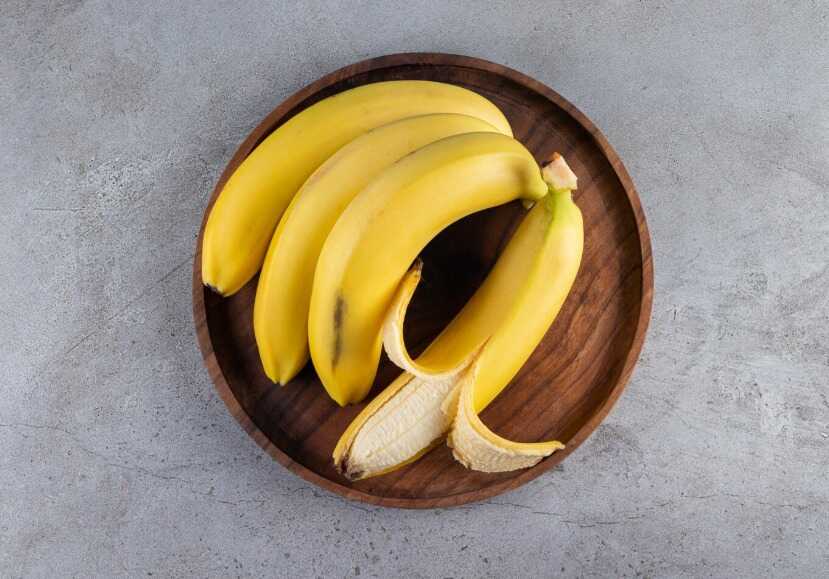
“Avoid salty foods. Instead, consume bananas in moderation or sugar-free watermelon juice when breaking the fast to help lower blood pressure,” Dr. Adhi emphasized.
Meanwhile, for people with diabetes, sugar management is the key. Elderly individuals in this category must avoid white sugar, granulated sugar, and packaged drinks. The safe daily sugar consumption limit for them is in the range of 25 to 40 milligrams.
As a solution, Dr. Adhi suggests using stevia sugar, which can provide a sweet taste without increasing blood sugar levels. In addition, regular consumption of medications must be maintained as directed by the doctor.
Regarding the habit of drinking coffee and tea, Dr. Adhi allows for a maximum of two small cups of espresso without sugar to support heart function. However, he strongly advises against consuming caffeine during suhoor.
“Coffee and tea are diuretics, which draw fluids from the body and excrete them through urine. If consumed during suhoor, the elderly will be more likely to experience dehydration and thirst during the day,” said Dr. Adhi.
The discipline of maintaining a diet for the elderly who are fasting is not just a suggestion, but a medical necessity. Dr. Adhi warns of the direct health impact on the elderly who violate food restrictions, especially for those with hypertension and diabetes. Elderly individuals with a history of high blood pressure who continue to consume salty or savory foods are at risk of experiencing metabolic disorders that manifest physically.
“The most common impact is that the legs often swell and there is a feeling of shortness of breath or wheezing,” said Dr. Adhi.
The same condition also threatens elderly individuals with diabetes. If they do not comply with taking medication and continue to consume sweet foods during suhoor, the body will experience a drastic decrease in stamina. Patients tend to feel tired, lethargic, and weak (L3), which causes them to only want to sleep all day and lose the energy to be active in the afternoon.
On this occasion, Dr. Adhi also corrected the habit of people who often drink coffee at the end of suhoor. He emphasized that caffeine has addictive properties similar to nicotine in cigarettes, but the side effects during fasting are very detrimental to the elderly.
“Coffee and tea draw fluids into the body. If consumed during suhoor, especially as an opener or without eating first, it will trigger a high frequency of urination,” he explained.
For elderly individuals who are used to consuming caffeine, Dr. Adhi suggests shifting the time of drinking coffee to the evening after breaking the fast. He also emphasizes the importance of eating a main meal first before drinking coffee to protect the stomach. It is also highly recommended not to add granulated sugar to maintain stable blood sugar levels. (H-2)