
Health Secrets from the Middle East: Here are 4 'Magical' Treasures of Saudi Arabia
Health Secrets from the Middle East: Here are 4 ‘Magical’ Treasures of Saudi Arabia
Jakarta, CNBC Indonesia- Saudi Arabia has long been known as a global oil giant.
However, beyond the energy sector, this desert nation possesses a number of high-value commodities related to health and tradition. Some of these are even treated as symbolic gifts, especially for pilgrims returning from the Holy Land.
- Ajwa Dates
Ajwa dates are known as a premium variety of dates originating from the Madinah region. The fruit is relatively small in size, with a dark brown to almost black color and a soft texture. Compared to other types of dates, Ajwa has a less sweet taste, making it often considered more comfortable to consume daily.
These dates are usually sold in premium packaging, especially during the Hajj and Umrah seasons. In the Saudi Arabian market, the price of high-quality Ajwa can reach around 50 to more than 150 riyals per kilogram, depending on the size and quality of the fruit. This is more expensive than ordinary dates, which are often sold for under 20 riyals per kilogram.
Nutritionally, Ajwa is known to be rich in fiber, potassium, magnesium, and antioxidants. These properties make these dates often promoted as a natural source of energy. Consumption of Ajwa dates also has religious value, so demand is relatively stable throughout the year.
Ajwa dates are also widely processed into derivative products such as date paste, natural energy drinks, and health food mixtures. Global demand for premium dates makes Ajwa products one of the high-value agricultural export commodities for Saudi Arabia.
- Sidr Honey
Sidr honey is one of the most expensive honeys in the Middle East. This honey comes from the nectar of the Ziziphus spina-christi tree, which grows in dry and rocky areas. Sidr trees only bloom during a certain period, so honey production is limited each year.
The characteristics of Sidr honey are different from ordinary honey. The color tends to be dark with a thicker texture. The aroma is strong and the taste is slightly sharp. This difference makes Sidr honey easily recognizable by consumers who are used to consuming premium honey.
The price of high-quality Sidr honey can reach hundreds of riyals per kilogram. In some specialty stores, pure Sidr honey can even be sold at a higher price depending on the location of the harvest and the level of purity. This product is often marketed as a high-end honey and is usually sold in small bottles.
Sidr honey is widely used as a traditional health supplement. Consumers use it to maintain their immune system or to recover after illness. The antioxidant content and antibacterial properties are the main reasons why this honey is marketed as a natural health product.
Some Sidr honey is also used as a high-value gift. The premium packaging and reputation of the product make this honey often brought as a souvenir from Saudi Arabia.
- Camel Milk
Another commodity that is growing is camel milk.
Camels have long been part of the lives of desert communities, and now the animal is also a source of high-value economic commodities.
Camel milk has a different composition from cow’s milk. Certain protein content is higher and the fat content tends to be lower. This product is often marketed as an alternative milk that is easier to digest for some consumers.
The price of camel milk is usually more expensive than cow’s milk. In the domestic market of Saudi Arabia, fresh camel milk can be sold several times more than conventional milk. Its processed products, such as camel milk powder, are also sold at premium prices because the production process is more complicated.
The camel milk industry is also developing into the processed product sector. This milk is processed into chocolate, ice cream, and cosmetics. Soap made from camel milk, for example, is marketed as a natural skin care product with high added value.
Demand for camel milk comes from the health market and consumers looking for unique products.
- Saffron
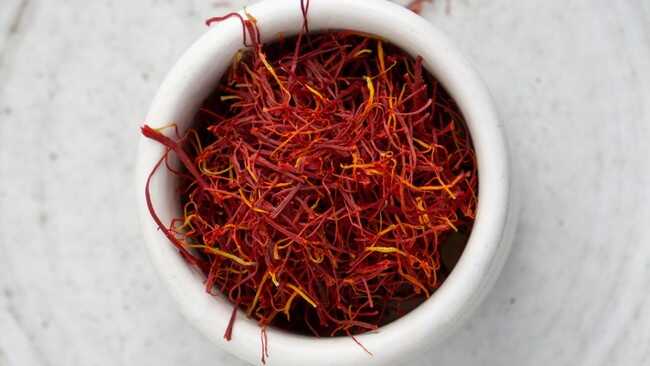
Saudi Arabia is also starting to develop saffron as part of agricultural diversification. This spice, often referred to as “red gold,” has an expensive price because the harvesting process requires intensive labor. The government is encouraging saffron planting projects in mountainous areas with cooler climates. Local production is still limited, but this product has the potential for a premium market in the future.
In the context of global trade, commodities such as dates and honey give Saudi Arabia a distinct identity.
The country is one of the largest date producers in the world and continues to increase exports of date-based processed products. Stable demand comes from Muslim countries as well as the growing global health market.
CNBC Indonesia Research
(emb/emb)