
Health Ministry urges integrated warning system to combat pollution
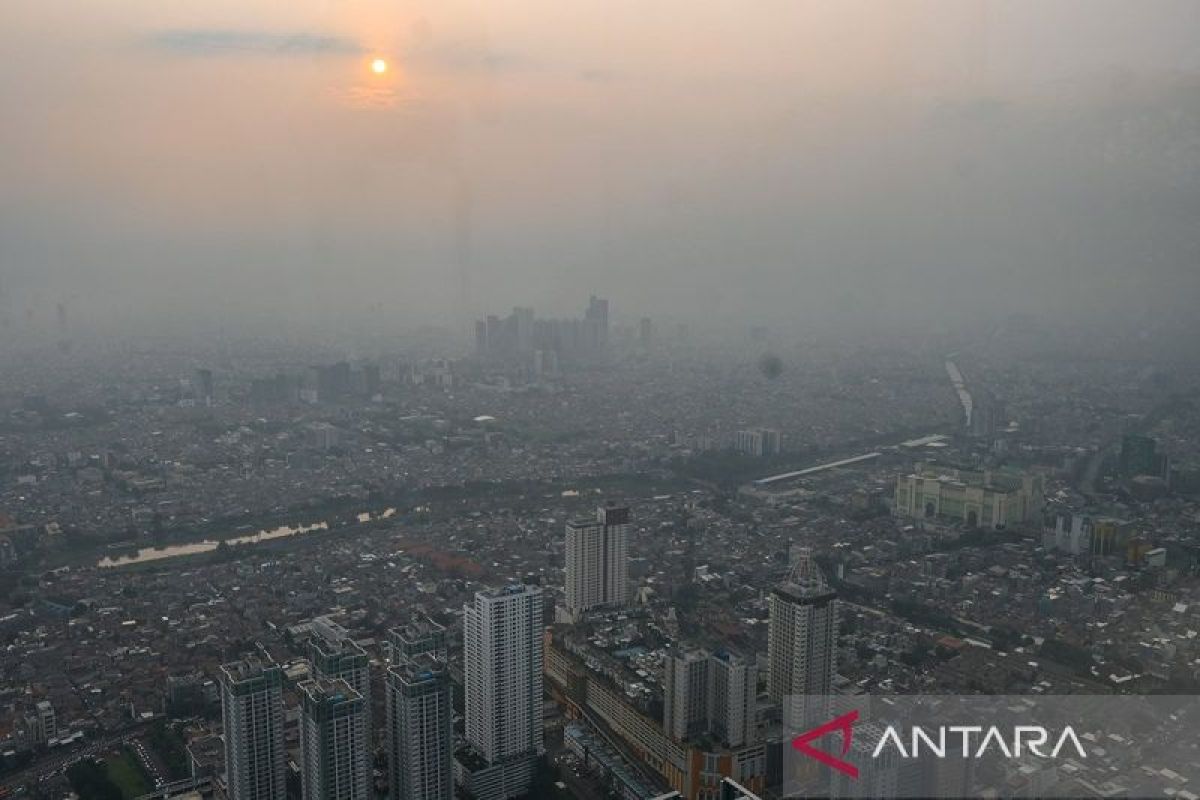
The ministry noted that these environmental hazards range from childhood pneumonia to chronic respiratory diseases across the country.
Deputy Health Minister Dante Saksono Harbuwono said on Tuesday that the World Health Organization has identified air pollution as a serious global concern that affects people of all ages.
He highlighted data from the organization showing that nine out of ten people worldwide currently live in areas with polluted air.
“Have you ever, at night, when the rain was heavy, and then the next morning it is bright and cloudless, allowing us to see Mount Salak and Mount Gede clearly?” Harbuwono asked.
“But on days when the mountains are not visible, they are covered in grey fog,” the deputy minister noted during his address.
He explained that the visible fog is actually the environmental pollution that surrounds urban communities every day.
Harbuwono elaborated that air pollution puts children at high risk of pneumonia as well as critical growth and developmental disorders.
The toxic air also causes organ degradation in the elderly and worsens the medical conditions of people with existing chronic illnesses.
Furthermore outdoor workers face a high probability of contracting Chronic Obstructive Pulmonary Disease due to prolonged exposure to bad air quality.
To address these health impacts his administration continues to pursue structural transformation efforts through promotive and preventive measures.
The government is also working on strengthening healthcare services to better handle the rising number of respiratory cases.
However the current lack of a system that integrates data on air quality with direct health impacts poses a major challenge.
A robust early warning system enables quicker public health responses to pollution spikes thereby protecting vulnerable demographics from severe effects.
The implementation of this integrated measure also supports the broader national goal of creating a healthier and greener Indonesia.
“This gap is our opportunity to strengthen the early warning system together, through strong data integration,” Harbuwono added.
On the same occasion, Dean of the Public Health Faculty at the University of Indonesia Indri Hapsari Susilowati underscored the importance of maintaining balance among mankind’s health and the sustainability of the ecosystem.
Susilowati said public health issues can no longer be separated from environmental degradation and rapid ecosystem changes.
Therefore she expressed hope that the university seminar would strengthen cross-sector collaboration in learning, policymaking, and concrete action.
Related news: Indonesia serves as ASEAN haze control hub through ACCTHPC
Related news: Jakarta prepares quick steps to handle dry-season air pollution