
Health Ministry: Three steps to strengthen midwives' role in maternal mental health
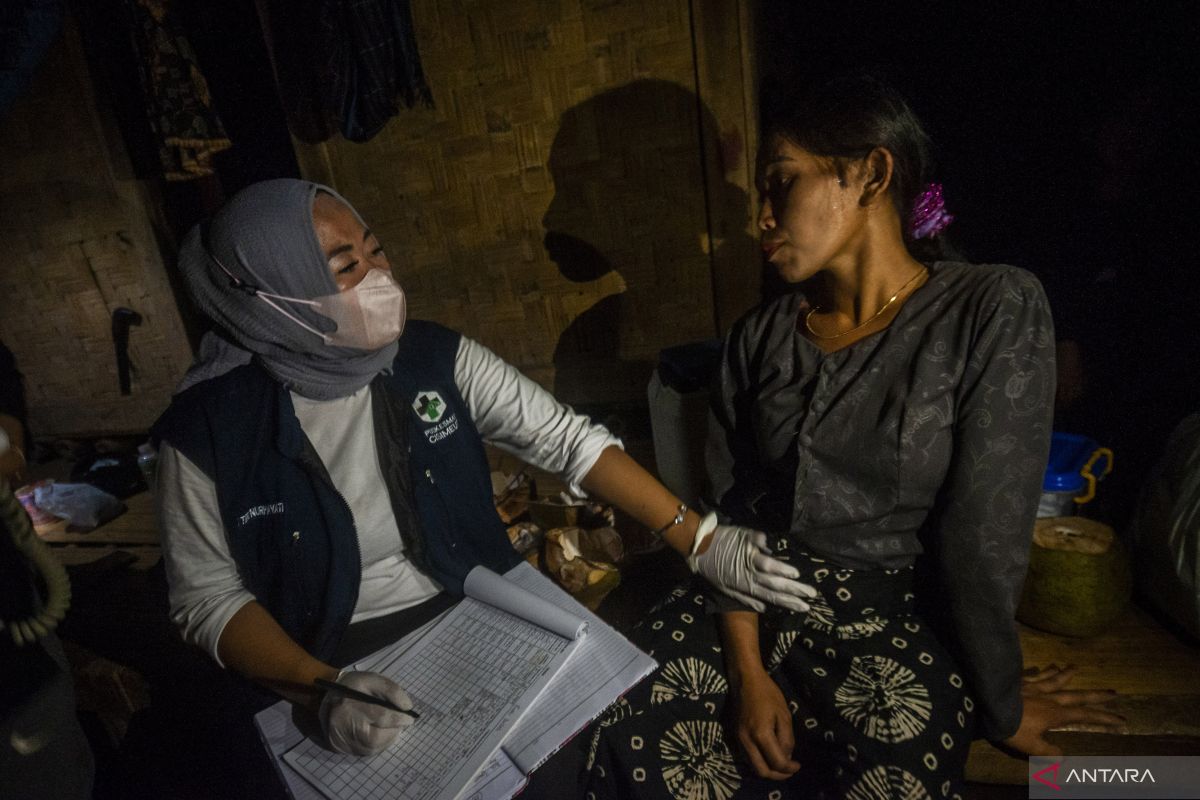
Jakarta - The Ministry of Health (Kemenkes) has identified three main steps to strengthen the role of midwives in improving women’s mental health during pregnancy and breastfeeding, starting with equitable distribution of numbers, training in psychological wound recovery, and public campaigns. Director of Vulnerable Group Health at Kemenkes, Imran Pambudi, stated in Jakarta on Wednesday that the commemoration of International Midwives’ Day 2026 on 5 May, themed “One Million More Midwives”, focuses global attention on the need to increase and empower midwifery personnel. This directly relates to the health system’s ability to detect, respond to, and prevent maternal mental health problems. “In Indonesia, the figures show real challenges. The prevalence of mental health problems is recorded at around 12.6 percent among pregnant women and 10.1 percent among postpartum mothers. The prevalence of depression during pregnancy is around 7.9 percent and in the postpartum period 5.9 percent,” he said. In 2025, only 228,113 pregnant women underwent mental health screening. Additionally, follow-up on screening results still needs to be improved. According to him, first, increasing the number and equitable placement of midwives is part of the solution, not only for safe deliveries but also to expand maternal mental health services. He mentioned that estimates show there are around 362,000 midwives in Indonesia in total, with about 257,000 working in government facilities, and around 86 percent of them placed in community health centres. Second, this commemoration is an opportunity to accelerate training in Psychological First Aid (P3LP) and brief counselling skills for midwives, so that early interventions can be carried out consistently even with high workloads. “Listening without judgement, calming, helping mothers manage emotions, and teaching positive parenting strategies that directly impact parent-child bonding,” he said. When symptoms indicate high risk or thoughts of self-harm, he said, midwives become connectors who direct mothers to psychological or psychiatric services, facilitate access to telecounselling, and monitor referral compliance. In many regions, these quick actions by midwives save lives and prevent long-term consequences for children. Third, public campaigns highlighting real stories of midwives who have successfully detected and helped mothers with mental health problems can reduce stigma and encourage families to support mothers in need. According to him, the contribution of midwives is a story of humanity. A midwife who listens, gives space for mothers to share, and connects families with appropriate support often changes the course of a mother’s and child’s life. “Practical innovations are also important. Integration of screening results into electronic medical records and maternal and child health books to facilitate monitoring, utilisation of telecounselling, incentives, and community health centre performance indicators that include screening coverage and follow-up percentages as measures of success,” he said.