
Health Ministry: Control Sugar Intake During Iftar
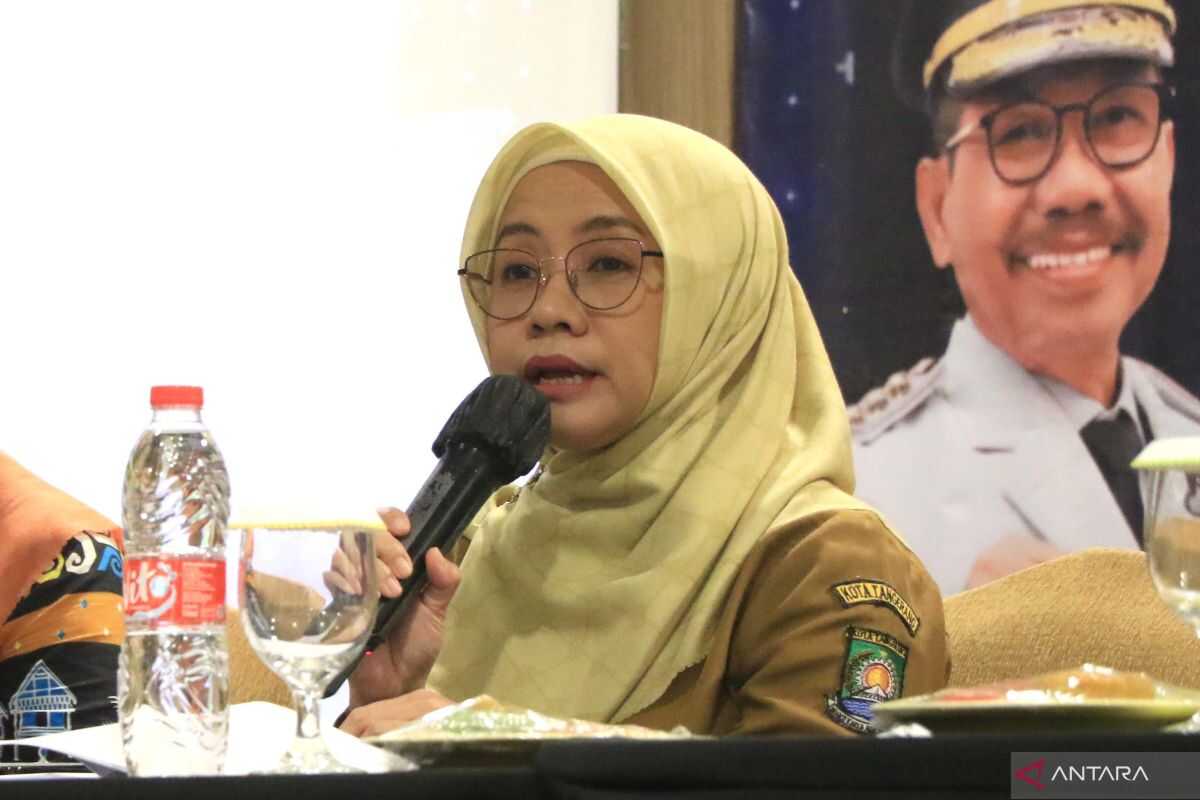
The Head of the Tangerang City Health Office (Dinkes), Banten Province, Dr Dini Anggraeni, stated that excessive consumption of sweet beverages such as syrup, sweetened tea, and packaged tea during iftar can significantly increase daily sugar intake.
“Many people consume large quantities of sweet drinks and food during iftar. However, excessive added sugar can lead to weight gain and increased risk of health disorders,” said Dini in a statement in Tangerang on Monday.
If this habit is continued without balancing calorie control and sufficient physical activity, she explained, it can potentially cause excess energy to be stored in the body as fat, thereby triggering weight gain.
For this reason, the Health Office urged the public to be more prudent in selecting iftar menu items to maintain nutritional balance and prevent the risk of non-communicable diseases.
In the long term, she continued, this consumption pattern risks increasing cholesterol levels, increasing waist circumference, and triggering non-communicable diseases such as diabetes and hypertension.
“The Health Office reminds that the safe limit for added sugar consumption is a maximum of 10 per cent of total daily energy requirements,” she said.
For an adult requiring approximately 2,000 kilocalories per day, this amount is equivalent to approximately 50 grammes of sugar or around four tablespoons per day.
She even recommended that added sugar consumption should be limited to less than five per cent of total daily energy, or approximately 25 grammes (equivalent to four teaspoons) per day, to achieve more optimal health benefits.
On the other hand, the public also needs to ensure adequate intake of carbohydrates, proteins, and fats proportionally, supplemented with vitamins and minerals from vegetables and fruits.
“This is important to ensure daily nutritional needs are met even though eating time during Ramadan is more limited,” said Dini Anggraeni.