
Health Minister Suspects High Drug Prices Due to Corruption; Anti-Corruption Commission Ready to Take Action
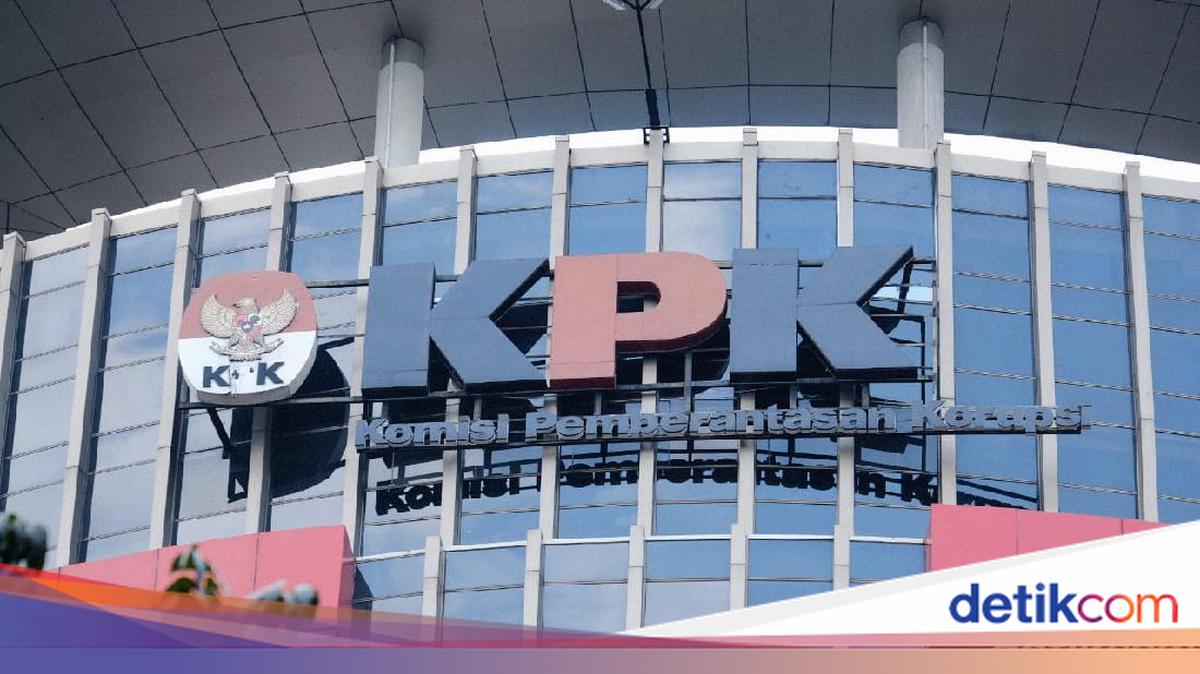
The Indonesian Anti-Corruption Commission (KPK) has responded to remarks made by Health Minister Budi Gunadi Sadikin highlighting suspected systemic corruption within the pharmaceutical sales industry. The KPK stated it would undertake preventive measures and enforcement action if evidence of wrongdoing is discovered.
The KPK welcomed the Health Minister’s commitment to combating corruption, explaining that anti-corruption efforts can be pursued through three simultaneous approaches: education, prevention, and enforcement.
“Through a preventive approach, the KPK together with the Ministry of Health can strengthen systems, governance, and corruption risk mitigation, particularly in programmes with substantial budget allocations,” said KPK spokesperson Budi Prasetyo to journalists on Thursday, 12 March 2026.
He stated that should evidence of wrongdoing be found within the pharmaceutical sales industry, the KPK would immediately take enforcement action in accordance with applicable regulations.
“However, should the process reveal indications or suspicions of corruption offences, the KPK will certainly follow up in accordance with the authority established in the relevant legislation,” Budi said.
The KPK views the health sector as strategically important due to its management of substantial state budgets and its direct relevance to public welfare. Cooperation between the KPK and the Ministry of Health is essential to ensure every programme and budget allocation genuinely benefits the public and serves as a safeguard against misconduct.
“The KPK hopes that this commitment to transparency and collaboration can be continually strengthened so that prevention and anti-corruption efforts in the health sector can be carried out effectively, to maintain the integrity of governance while improving the quality of healthcare services for the public,” the spokesperson added.
Health Minister Budi Gunadi Sadikin has suspected that high drug prices in Indonesia are connected to potential systemic corruption within the healthcare industry, requesting KPK assistance in investigating the matter. He made these comments during a Memorandum of Understanding signing ceremony between the Ministry of Health and the KPK concerning anti-corruption efforts in the health sector at the Health Ministry building in Jakarta on Wednesday, 11 March.
Minister Budi noted that one of the most frequent public complaints concerns drug prices in Indonesia being significantly higher than in other countries, including Malaysia.
“What people probably complain about most is high drug prices. Compared with Malaysia, the difference can be three to five times higher,” Budi said during his remarks.
Budi argued that such a substantial price difference with Malaysia cannot be attributed solely to taxation.
“People in the healthcare industry say, ‘Sir, it’s because of tax.’ But tax is only 20 per cent, 30 per cent—how could it become 500 per cent? How would that calculation work,” he said, during an event also attended by KPK Chairman Setyo Budiyanto.
Budi suggested there must be other undisclosed factors at play within the industry.
“It’s impossible. There must be other factors outside of tax that they don’t want to disclose. It definitely isn’t just tax,” he stated.
Budi characterised high drug prices as potentially indicating systemic corruption within the healthcare industry ecosystem. Systemic corruption refers to corrupt practices that occur widely and in a structured manner within a system.
He explained that the healthcare industry involves multiple stakeholders, including regulators, hospitals, health insurance providers, medical personnel, and pharmaceutical companies.
“We want to improve corrupt behaviour in this industry. Because aside from the Ministry of Health as the regulator, there are hospitals, health insurance providers, doctors, and pharmaceutical companies that collectively build the healthcare industry ecosystem,” Budi said.
He therefore hoped the KPK could help reorganise the health sector system to be more transparent and free from corrupt practices.
“We truly expect the KPK to assist us. Not just to clean our institution, but also to address systemic corruption within our industry,” he concluded.