
Health Minister Defends BPJS Premium Increase, Compares Contribution to Cigarette Spending
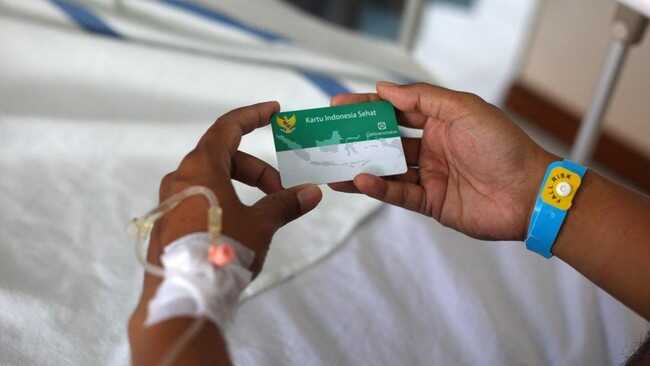
Jakarta – Indonesia’s Health Minister Budi Gunadi Sadikin has commented on proposals to increase BPJS Health insurance premiums amid budgetary deficits. He stated that if a premium increase were implemented, the policy would only affect upper-income citizens.
The current BPJS Health monthly contribution stands at Rp42,000 for Class III coverage. According to the Health Minister, this amount remains lower than the cigarette spending of the Indonesian population.
“Remember, men spend more than that on cigarettes,” said the Health Minister in Jakarta on Wednesday (25 February 2026).
This statement emerged amid pressure from an estimated BPJS Health deficit of Rp20–30 trillion this year. According to Minister Budi, the central government has allocated Rp20 trillion to cover the BPJS budget shortfall in 2026. However, he cautioned that the deficit could recur annually without systemic changes.
“BPJS is currently facing a deficit of Rp20–30 trillion. This will be covered this year by the central government budget of Rp20 trillion. But this will happen every year,” he said.
He added that recurring deficits could result in delayed claims payments to hospitals, risking disruption to healthcare facility operations.
“That will be felt through delayed hospital payments. So hospitals struggle with their operations,” he said.
The Health Minister stressed that if tariff adjustments occur, the poorest segments of society would not be affected. This is because premiums for participants in income deciles 1 to 5 are paid by the government through a subsidy scheme.
“If tariffs are raised for poor people in deciles 1–5, there would be no impact. Because the poor have their premiums paid by the government,” he said.
He emphasised that BPJS operates on a social insurance principle with a cross-subsidisation scheme. This means participants with higher economic capacity support the financing of lower-income members.
“The concept of BPJS social insurance is that wealthy people subsidise the poor. It is similar to taxation. Rich people pay more in taxes, but everyone has equal access to services,” he said.