
Health Minister: 10 Percent of the Wealthy Still Receiving BPJS Health Assistance
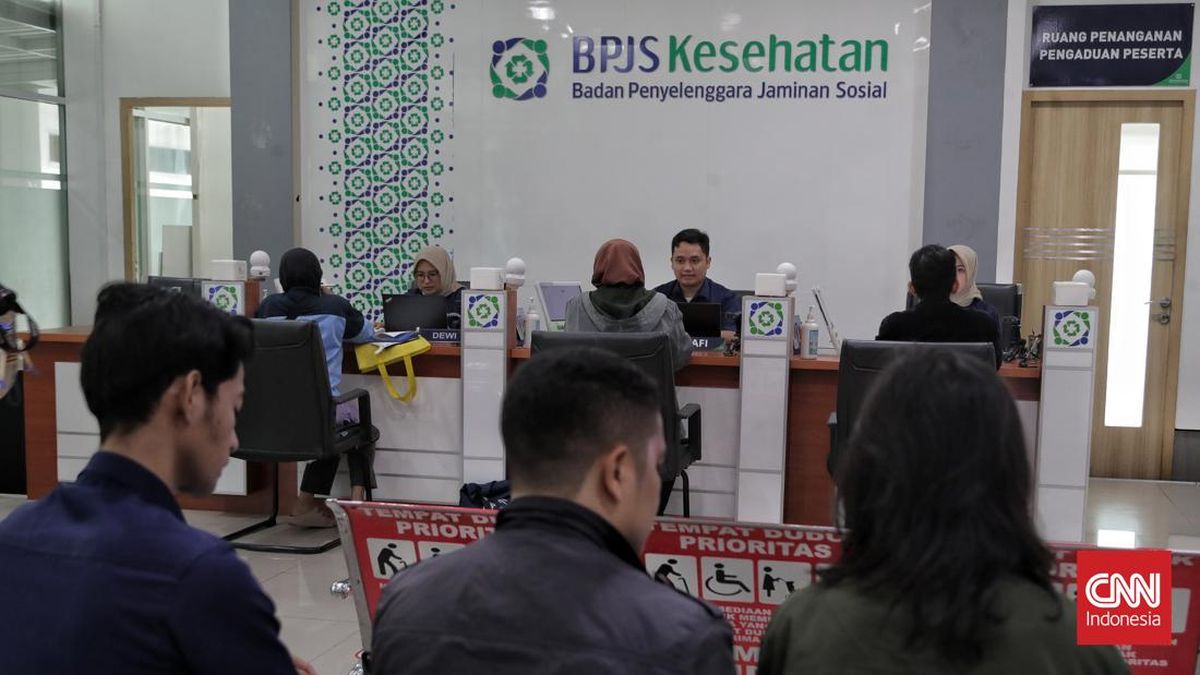
Health Minister Budi Gunadi Sadikin revealed that 10 percent of wealthy individuals are still receiving premium assistance under the national health insurance programme (JKN) managed by BPJS Kesehatan. This information was shared during a working meeting with Commission IX of the House of Representatives on Wednesday (15/4). According to Budi, the data came to light after synchronising the recipient data for BPJS Kesehatan premium assistance with the Central Statistics Agency (BPS). “The money we pay is not entirely for the 50 percent poorest people. After consolidating the data at BPS, we found that even 10 percent of the richest people are receiving payments,” Budi stated. For example, in the Penerima Bantuan Iuran (PBI) JKN category, which is fully subsidised by the government, out of a total of 96.8 million, 47,000 are not properly targeted. Even, he said, the Secretary General of the Ministry of Health, Kunta Wibawa Dasa Nugraha, was included in that group. “The PBI paid by the Ministry of Health still has 47,000 out of 96 million that are not properly targeted. If I may joke a little, Mr Kunta, my Secretary General, was once in there,” Budi remarked. PBI JKN is one of the categories of JKN programme recipients whose premiums are fully funded by the government at Rp42,000 per month for third-class services. There are other categories, such as Independent Non-Wage Workers (PBPU), Wage Recipients (PPU), and Non-Workers (BP). Besides the PBI JKN category, Budi said that 35 million subsidised JKN recipients in the Independent PBPU category are also not properly targeted. There are also around 11 million in the PBPU category that are not properly targeted. “The government sees that for the sake of justice, these inaccurately targeted numbers will be redirected to those who need it more,” Budi stated. “So there are some of our friends in Decile 5 who haven’t been able to enter PBI yet. It’s better if we reduce those in Decile 10—the 10 percent richest—we remove them and redirect their quota to Decile 5,” he added.