
Health Impacts of the War in the Middle East
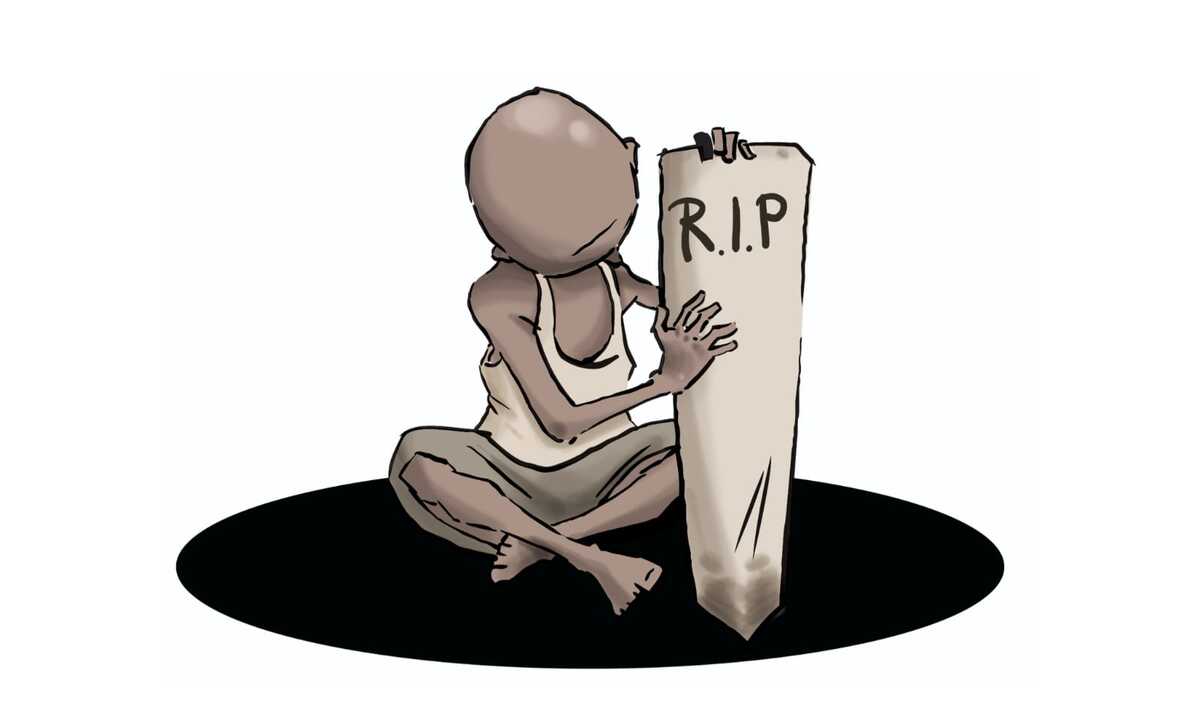
We are all following with vigilance the escalation of the conflict and war in the Middle East. We know it began with an attack by the United States and Israel on Iran on 28 February 2026. Iran subsequently retaliated by striking Israel and various United States bases in Bahrain, Qatar, the United Arab Emirates, and more recently Saudi Arabia.
Beyond geopolitical aspects, the war clearly has detrimental impacts on health, on health systems, and on public health as a whole. To examine these impacts, it is useful to look at what happened in June 2025, when there were ten days of clashes between Israel and Iran and a US air strike on Iran on 21 June 2025. The international health journal The BMJ discussed the health impacts in its peer‑reviewed article titled Hospitals are Targeted and Destroyed as Israel-Iran War Hits Healthcare.
There are at least five adverse health impacts in wars like the current one, which also occurred in June 2025 in Israel and Iran. First is the direct impact in terms of deaths, injuries, and illness. Data up to the end of June 2025 show more than 1,900 deaths and over 4,000 injuries in various circumstances. Data on the ongoing war are not yet available, but the scale of the current conflict appears larger, so deaths and injuries are likely to be higher.
Second is the harm to hospitals. The BMJ article notes situations where this is true, with hospitals being damaged and health workers injured on both sides. There were also damages to facilities such as intensive care units (ICUs) and chemotherapy wards. With hospitals damaged, patients must be evacuated and with bombings ongoing, some patients may have to be relocated to underground bunkers, with severely limited facilities.
Conversely, hospitals will be overwhelmed with patients, elective surgeries postponed to cope with emergencies, and power outages can render medical devices inoperative.
In response to the deteriorating situation affecting hospitals and health during the June 2025 Israel–Iran conflict, the World Health Organization (WHO) and the World Medical Association issued important statements that would also apply to the current war. WHO Director‑General Tedros Adhanom Ghebreyesus said that the war‑time tensions between Israel and Iran clearly have adverse consequences for health facilities and access to health services. WHO urged all parties to protect health facilities, health workers, and patients. The Director‑General also asserted that the best medicine is peace.
Meanwhile, World Medical Association President Dr Ashok Philip stated that attacks on hospitals violate international law. The World Medical Association expressed solidarity with health workers and professional health organisations in conflict areas and condemned attacks on health facilities. They stressed that, under international humanitarian law, health facilities are protected zones and must not be targeted. Attacks clearly breach the Geneva Conventions.
The third impact concerns health resources and infrastructure in war zones. There will be shortages of health personnel, whether due to injury or death or because the number of patients far exceeds available staff. This is compounded by shortages of medicines and medical equipment. Experiences from past conflicts show limitations in treating chronic diseases such as diabetes, hypertension, and chronic lung disease, cancer treatment, and dialysis disruptions. All of these worsen health outcomes and increase morbidity and mortality from various diseases.
The fourth major impact is the mental health crisis. Populations in conflict zones are under great stress, experiencing psychological trauma and fear of bombing or airstrikes. There are additional psychological effects from the loss of family members, homes, livelihoods, and even the city of residence. Scientific data indicate that conflict can cause acute stress disorder, sleep disturbances, PTSD, anxiety, and depression, generally affecting around 30% to 50% of populations in conflict areas. Hypervigilance—a state of heightened alertness in which people continually scan their surroundings for threats—can occur. Other data indicate effects on children in the form of aggression and potential long‑term developmental issues.
The fifth impact is a broad public health crisis. In wars, sanitation systems can be damaged, as can access to clean drinking water and safe food. Routine vaccination programmes may not operate effectively, increasing the risk of vaccine‑preventable diseases and potential outbreaks. If displacement occurs, there can be additional health problems such as respiratory and gastrointestinal infections. The health outcomes of vulnerable groups in society—such as the elderly, pregnant women, and children—require particular attention. Neonatal and maternal mortality can rise.
There is also a need for further exploration of these issues.