
Health consciousness drives nutrition market growth in Indonesia
Jakarta — Rising public awareness of the importance of maintaining health is driving significant growth in Indonesia’s nutrition and wellness industry in recent years.
Based on Statista’s projections, the market revenue for vitamins and minerals in Indonesia is estimated to reach approximately USD 645 million by 2025 with a compound annual growth rate of approximately 6.57 per cent.
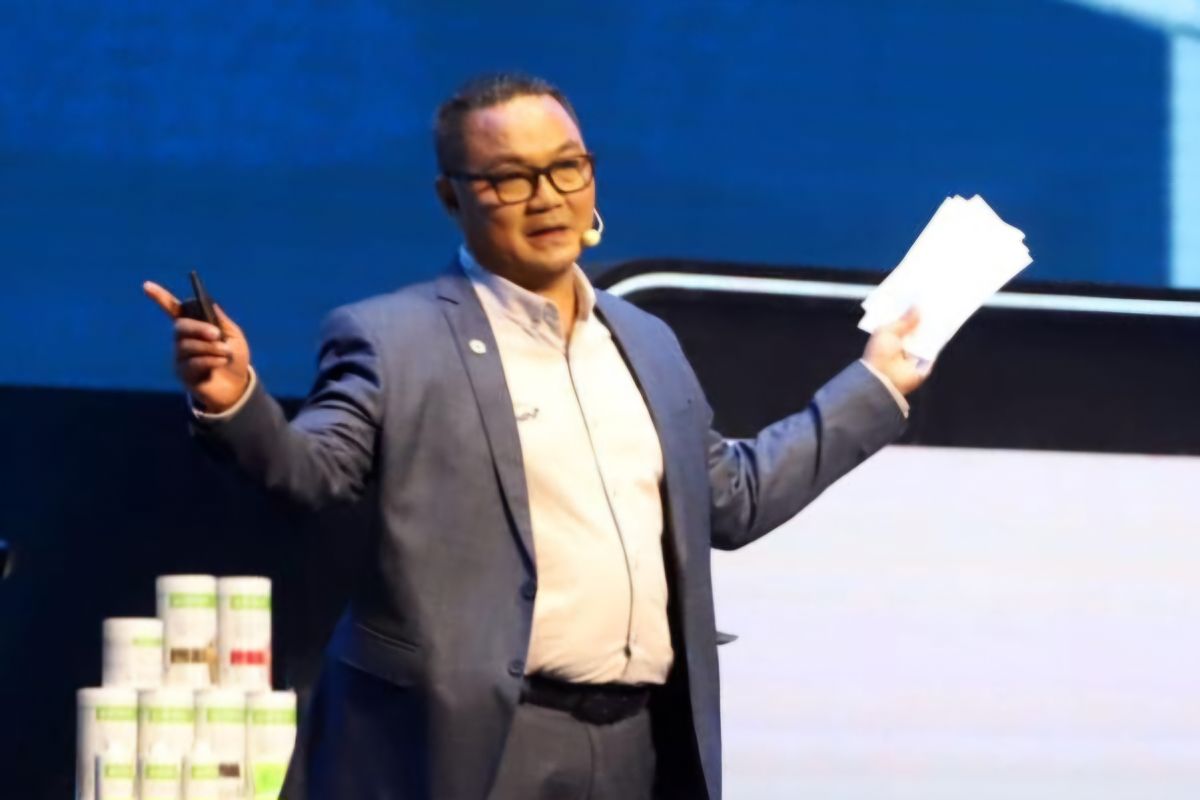
Oktrianto Wahyu Jatmiko, Director and General Manager of Herbalife Indonesia, stated on Tuesday that increased public understanding of health is making nutritional products increasingly viewed as essential necessities rather than merely supplementary products.
“Indonesian consumers increasingly have a good understanding of health, and this influences their choices in food, vitamins, and supplements. As health becomes a primary consideration in consumption decisions, we remain optimistic about the growth of this industry moving forward,” said Oktrianto.
Furthermore, 88 per cent of consumers in Indonesia are recorded as routinely consuming health supplements as part of efforts to maintain fitness.
Demographic factors also influence the dynamics of the national nutrition market. Although Generation Z leads in terms of consumption volume and trend adoption, the highest spending still comes from the working-age group which has greater purchasing power.
Data from the Central Statistics Agency estimates that the Gen Z population in Indonesia will reach 74.93 million people or approximately 27.94 per cent of the total population by 2025. Together with millennials, this group has become the primary driver of nutrition consumption trends through digital channels as they are the most active users of the internet and social media.
In this context, Herbalife Indonesia also sees strong participation from younger generations in its business ecosystem. The majority of the company’s independent members in Indonesia come from Gen Z and younger age groups, at approximately 62.4 per cent of total members.
According to Oktrianto, the independent members currently also serve as digital entrepreneurs who leverage social media, messaging applications, and online communities to educate consumers and build trust.
“For us, the challenge is to ensure that our products and educational initiatives remain relevant to the health aspirations and lifestyle preferences of Gen Z and millennials, whilst remaining responsive to the needs of families and the working-age segment which form our significant market base,” he said.