
Head of National Nutrition Agency Urges Universities to Build MBG Kitchens, Aiming to Drive Local Economy
The Free Nutritious Meals (MBG) programme is beginning to demonstrate a widespread domino effect, not only in the health sector but also in education and productive economics. Through the Nutrition Fulfilment Service Units (SPPG), or MBG kitchens, the programme encourages active involvement from higher education institutions to farmers in an integrated ecosystem from upstream to downstream.
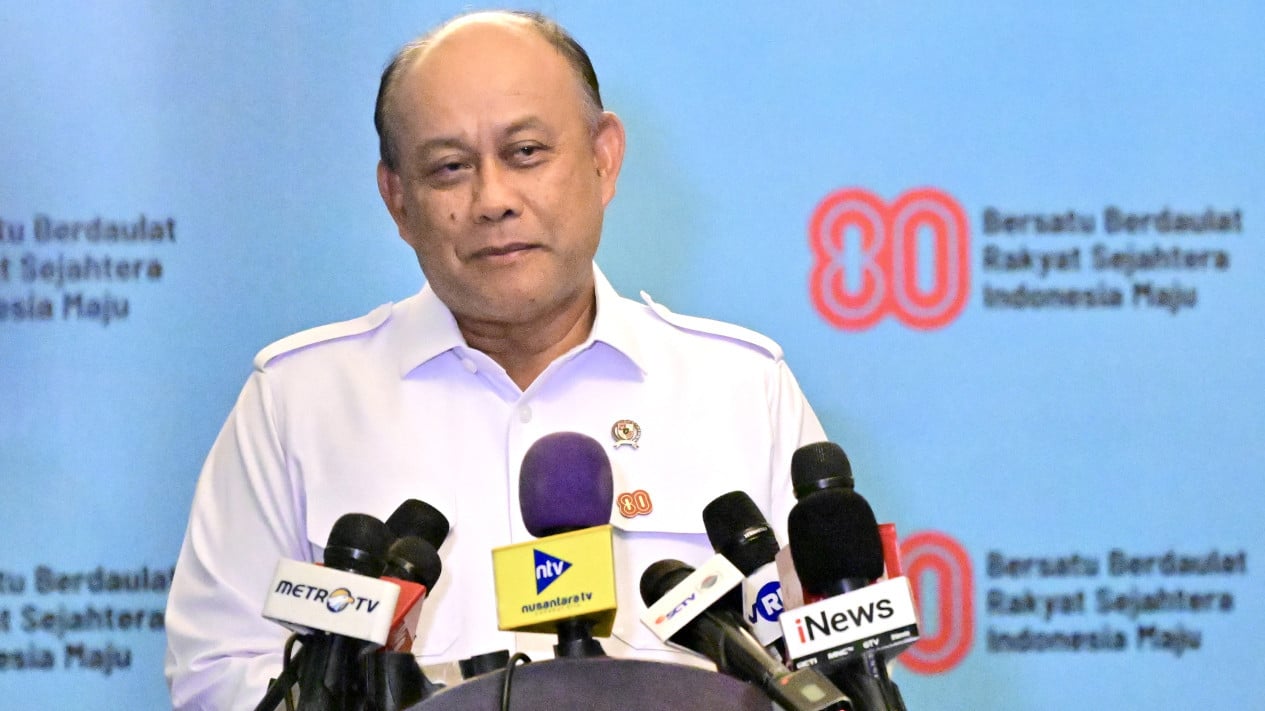
Head of the National Nutrition Agency, Dadan Hindayana, stated that higher education institutions have a strategic role in supporting the success of this programme. Universities or campuses are encouraged to build and manage SPPG independently, while also turning them into centres for practice-based learning.
“I think campuses need to understand this, because it is a great opportunity. At minimum, have one SPPG first, and if possible, the supplies come from the academic community itself,” said Dadan at the U25 Forum of State Public Universities as Legal Entities (PTN-BH), attended by rectors from 24 PTN-BH in Makassar, quoted on Wednesday, 29 April 2026.
According to Dadan, one SPPG unit does not only function as a kitchen providing nutritious food, but also as an economic hub that requires support from large-scale food production.
To meet the needs of just one SPPG, at least 8 hectares of rice fields are needed for rice supply, as well as around 19 hectares of maize land to support livestock feed requirements.
In addition, the livestock sector also becomes an important part of the supply chain. One SPPG requires around 4,000 laying hens to ensure the availability of animal protein every day.
“If you want the eggs supplied yourself, then there must be around 3,700 to 4,000 laying hens for one SPPG,” he explained.
These substantial needs open opportunities for campuses to integrate academic activities with field practices. Students can be directly involved in managing agriculture, livestock, and food distribution as part of real project-based learning.
Dadan emphasised that SPPG can become a living laboratory for higher education institutions in developing research and innovation. From agricultural technology, food processing, to supply chain management, all of it can be tested and applied directly in the field.
Furthermore, this integration also enables the creation of collaboration between campuses, farmers, livestock breeders, and MSME actors in a mutually reinforcing system. The MBG programme not only creates demand, but also encourages an increase in production capacity at the local level.