
Head of BGN: Indonesia Places Human Resources as Development Priority
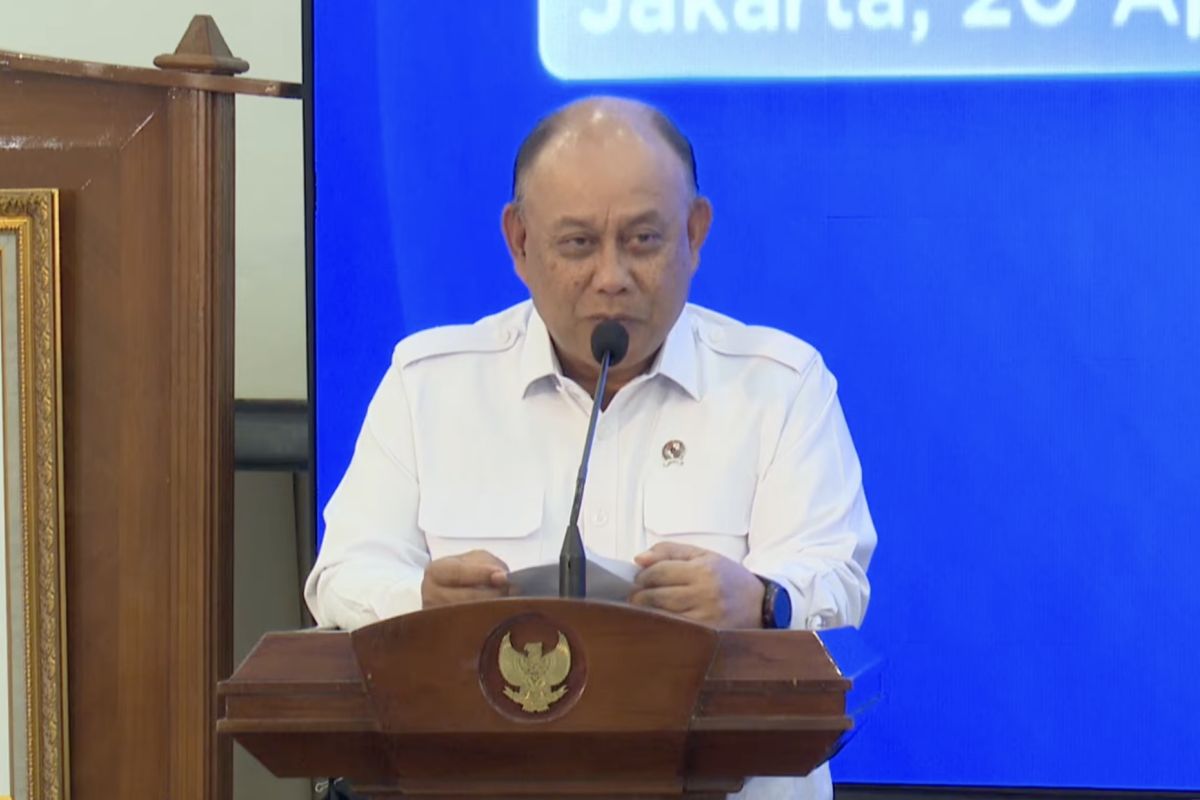
Jakarta - The Head of the National Nutrition Agency (BGN), Dadan Hindayana, stated that Indonesia places human resources (HR) as a priority in development. “I greatly appreciate the steps taken by the Ministry of National Development Planning, the Head of Bappenas, which demonstrate that Indonesia places HR as a development priority, and in the government of Mr Prabowo Subianto, HR is placed as the top priority and receives considerable attention,” he said during the launch of the Indonesian Government and United Nations Children’s Fund (UNICEF) Cooperation Programme for the 2026-2030 period at the Bappenas Building in Jakarta on Monday. On that occasion, the Country Programme Action Plan (CPAP) 2026-2030 between Indonesia and UNICEF was launched to continue national development. The cooperation programme between the Indonesian government and UNICEF began 60 years ago through the signing of the Basic Cooperation Agreement (BCA). The implementation of the BCA is translated into five-year programme cycles, known as CPAP. Currently, Indonesia-UNICEF is launching its 13th five-year cycle. Over the past five years, the cooperation programme between the two parties has produced significant achievements in supporting the fulfilment of children’s rights in Indonesia, particularly in the sectors of nutrition, clean water, sanitation, health, hygiene (a series of practices to maintain health), education, child protection, and social policy. Some key achievements include the distribution of more than 77 million doses of COVID-19 vaccines, the establishment of a centre of excellence for the Free Nutritious Meals (MBG) programme, and the return of 105,000 children to the education system, including protecting 237,000 children from the risk of dropping out of school. The 2026-2030 cooperation between the Indonesian government and UNICEF covers components of nutrition, health, education, climate action, environment, clean water, sanitation and hygiene; child protection, and social policy. All these components are supported by programme activity components that include cross-sectoral cooperation and coordination support. Dadan appreciated UNICEF for being one of the organisations that has always paid attention to children’s rights worldwide, including in Indonesia. “With the presence of the National Nutrition Agency, this is a flagship programme of the government of Mr Prabowo Subianto and Gibran Rakabuming, guaranteeing children’s right to nutrition. This is addressed from children in the womb to children up to 18 years old. So, no child will be missed in terms of their rights,” he said. “Therefore, the Prabowo Subianto government through the National Nutrition Agency places a budget that I think is quite extraordinary, so that all children are required and expected to receive their rights,” said the Head of BGN. To date, around 62 million children in Indonesia receive their right to balanced nutrition to ensure they grow up healthy, intelligent, strong, and cheerful. BGN is allocating more than Rp60 trillion by April 2026 alone for nutrition fulfilment interventions so that all children obtain their minimum right to balanced nutrition. He hopes that the strategic cooperation with UNICEF, which has been ongoing, can continue well. “Hopefully, this cooperation can continue and this partnership becomes a mutually beneficial one, both for the Indonesian government and UNICEF,” said Dadan.