
Head of Bappenas says data accuracy is key to policy effectiveness
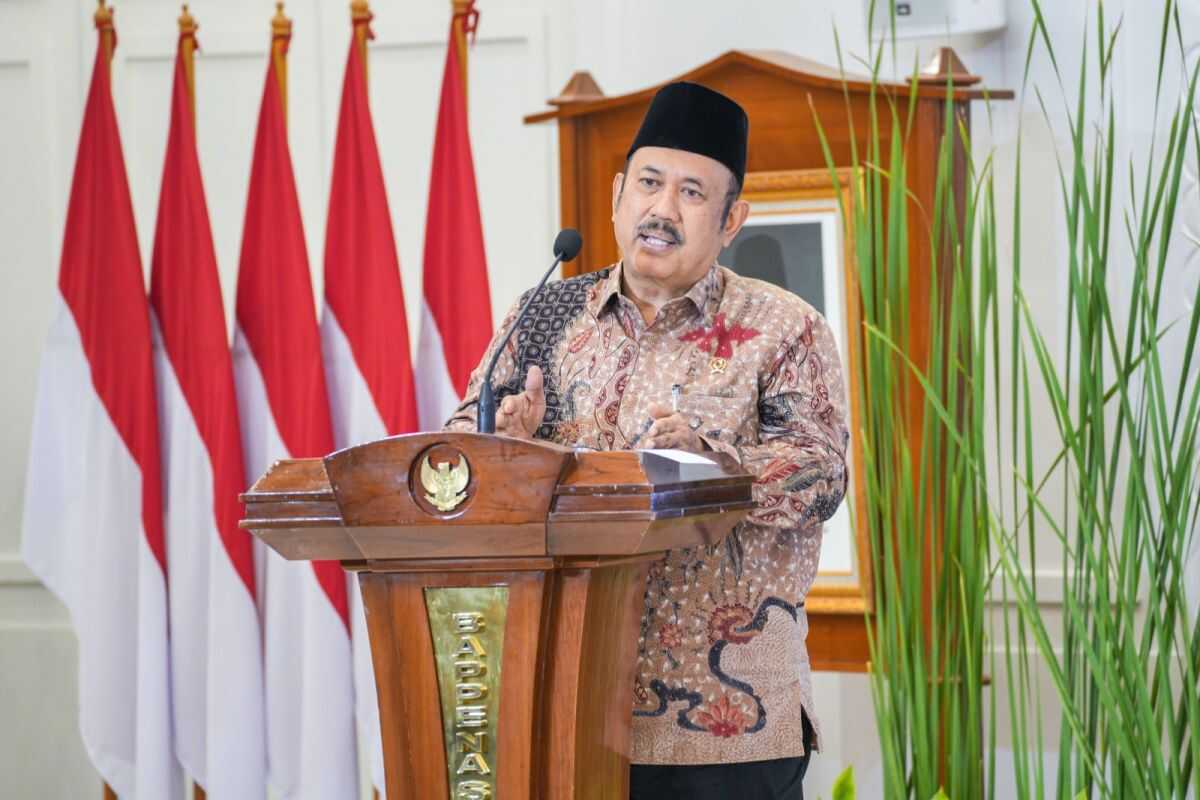
Jakarta (ANTARA) — The Minister for National Development Planning (PPN)/Head of Bappenas, Rachmat Pambudy, said that data accuracy is the key to policy effectiveness. “Data is the basis of development. Therefore, the first thing required before building is the statistical data,” he said at the launch of RIPD 2025-2045. The government launched RIPD with the aim of becoming a national road map for data-directed, integrated, sustainable governance and public services that deliver real impact for society. The road map is prepared as a common reference for ministries/agencies and local governments in planning, budgeting, implementation, and evaluation of digital government programmes. This document ensures that all digital transformation initiatives are aligned with the direction of national development toward Indonesia Emas 2045, as mandated in the RPJPN 2025–2045. Furthermore, the document marks a shift from an e-government approach that tended to be sectoral toward an integrated digital government that is user-centric, underpinned by system and data interoperability. “The basis of development is data. Therefore, the first thing required before building is the statistical data. Data that at that time were collected manually could be like that. If what was previously manual becomes digital, then I am confident that what we dream for today will be achieved,” said Minister Rachmat Pambudy at the launch of the Digital Government Master Plan (RIPD) 2025–2045. The drafting of this Master Plan is also aimed at strengthening cross-sector synchronisation, ensuring integrated digital services among central and local government agencies, prioritising a human-centric approach in technology development, building digital services that apply the principle of secure and privacy by design, and ensuring digital government policies can have a real impact on society, government, and business. In implementation, the head of Bappenas said, strengthening data governance is the primary prerequisite. The digital government ecosystem must be supported by accurate, standardised, and interoperable data to yield targeted policies, and to enhance accountability and public trust. Deputy for Economy and Digital Transformation Vivi Yulaswati of the Ministry of National Development Planning/Bappenas emphasised that the preparation of RIPD 2025–2045 has undergone a lengthy and participatory process, involving ministries/agencies, local governments, associations, academics, and development partners. A digital government should be understood as a governance approach that places technology as a tool to improve the quality of public services. “To date, we still face many challenges, including fragmentation of application systems, lack of collaboration between agencies, budget constraints, resources, and technological infrastructure. Digital government is governance that uses digital technology through the synergy of government and society to realise efficiency, effectiveness, and, of course, better, faster, and more inclusive public services,” Deputy Vivi said.