
Hashim Requests Manggarai Station Apartment Complex to be Increased to 24 Storeys
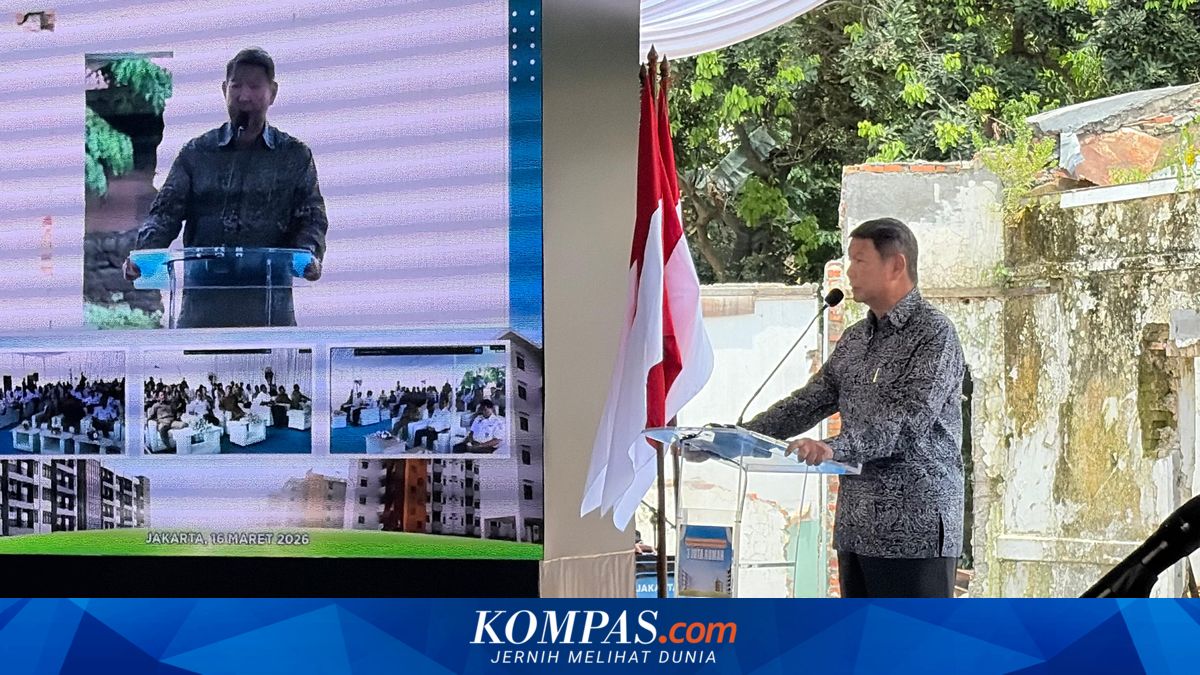
JAKARTA — The head of the Government Task Force on Housing, Hashim Djojohadikusumo, has called for the planned apartment development in the Manggarai Station area to have its proposed storey count increased from 12 to 24 storeys.
According to the elder brother of Indonesia’s president, this step aims to optimise the constraints posed by limited land availability in the city centre.
Hashim made these remarks during the launch of the Residential Development Initiative in Support of the 3 Million Homes Programme at Manggarai, Jakarta, on Monday, 16 March 2026.
“I see here 12 storeys. If possible, make it 24 storeys. Since land is limited, with 24 storeys we might be able to double the number of units from 2,200,” Hashim said.
The residential project, being developed by PT Kereta Api Indonesia (Persero) or KAI, is planned to be constructed across eight towers divided into two blocks—blocks G and F—with a total of 2,200 housing units in 45 and 52 square metre types.
KAI Chief Executive Officer Bobby Rasyidin previously noted that Manggarai Station is a major transport hub in Jakarta, with more than 770 train movements daily, comprising 638 KRL Jabodetabek movements and 70 Soekarno-Hatta Airport Commuter Line services.
The station also serves more than 200,000 transit passengers per day, with total passenger movements reaching approximately 10.53 million throughout 2025.
This residential development is part of a station-based area development concept known as transit-oriented development (TOD).
The aim is to provide integrated housing with public transport and support the mobility of urban residents.
In addition to Manggarai, KAI is also planning residential developments at several other locations, including Kiaracondong Station in Bandung, the Purwosari area in Solo, and Gubeng Station in Surabaya, as part of developing an integrated urban ecosystem.