
Harvard Study: Excessive AI Use Can Cause "Brain Fry"
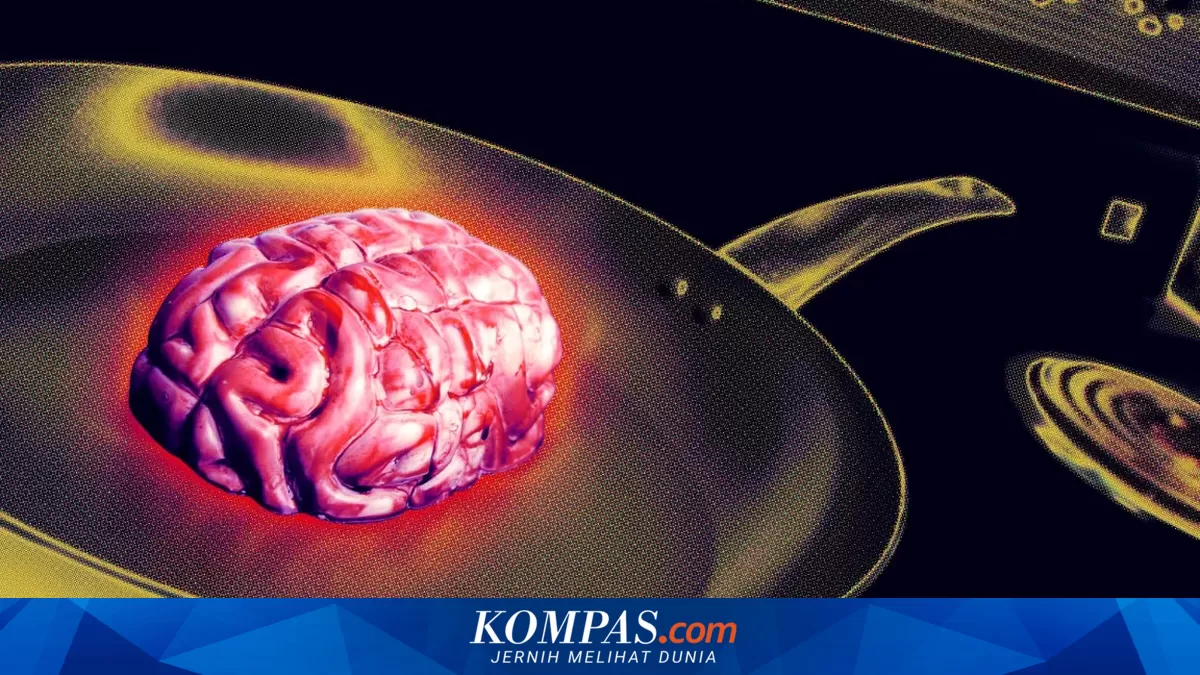
Artificial intelligence (AI) has been widely promoted as a tool that can make human work faster and more efficient. However, a recent study has uncovered a new side effect from using AI in the workplace: a phenomenon called “AI brain fry.”
The term “brain fry” refers to a state of mental exhaustion resulting from excessive use of or interaction with various AI tools, to the point of exceeding human cognitive capacity.
The findings were presented in research published recently in the Harvard Business Review (HBR). In their latest study titled “When Using AI Leads to ‘Brain Fry’”, HBR surveyed approximately 1,500 full-time workers in the United States.
The results showed that some workers who used AI intensively experienced mental exhaustion, difficulty concentrating, and slower decision-making. The research found that of nearly 1,500 workers surveyed, approximately 14 per cent of respondents admitted to experiencing the condition known as “brain fry”. The highest percentages were found in the marketing, software development, human resources, finance, and IT sectors.
Julie Bedard, Managing Director and Partner at Boston Consulting Group and author of the study, said the finding serves as an early warning to companies that are overly optimistic about productivity gains from AI.
“AI can develop very quickly, but we still have the same brain as yesterday,” Bedard said.
According to Bedard, the finding represents an “early warning sign” that expectations regarding AI productivity may need to be adjusted. This appears to be part of the broader issue concerning the cognitive impact on workers.
Interestingly, the study also found a paradox for employees: where AI can simultaneously reduce stress whilst increasing stress for workers.