
Harkonas: Savvy Consumers vs "Overclaim" and "Overpromise"
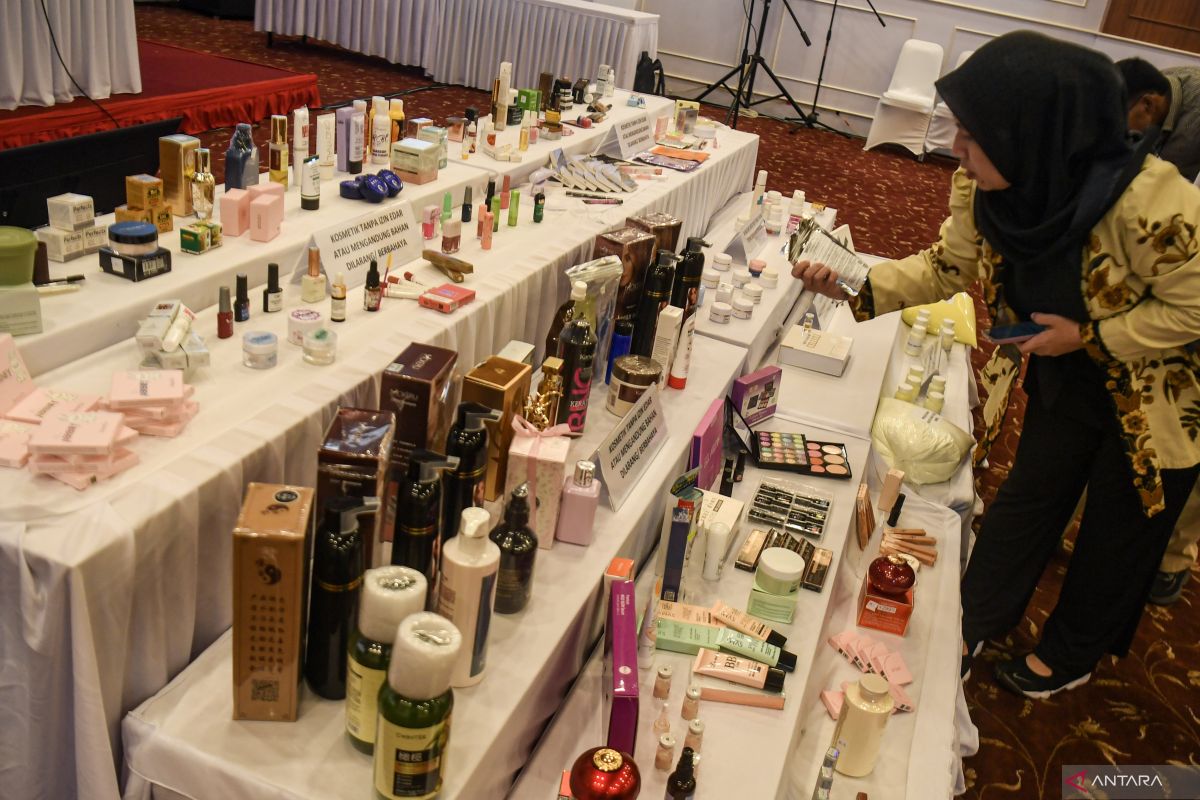
Consumer literacy has become the primary key to addressing the increasingly prevalent practices of overclaim and overpromise.
Jakarta (ANTARA) - Monday, 20 April 2026, marks an important moment for Indonesian society in commemorating National Consumer Day (Harkonas). This commemoration is not merely ceremonial but a reflection on the state’s commitment to protecting consumer rights since the enactment of Law No. 8 of 1999 on Consumer Protection.
This commitment was further strengthened by Presidential Decree No. 13 of 2012, which officially designated 20 April as National Consumer Day. This momentum is expected to enhance public awareness of their rights and obligations as consumers, while encouraging business actors to be more responsible, transparent, and ethical in conducting their operations to create a fair and sustainable economic ecosystem.
It is in this context that the issues of overclaim and consumer literacy become increasingly relevant to discuss.
As the digital ecosystem develops, social media has transformed into the primary showcase for various products and services. However, behind the ease of accessing information, a concerning phenomenon has emerged: the proliferation of overclaim and misleading information.
Products are promoted with excessive claims, ranging from “whitening skin in three days” to “curing diseases without side effects”. Even on the TikTok platform, there are not a few product claims for performance in removing lipomas, whitening teeth, and quickly eliminating acne, which often lack clear scientific basis and do not comply with the regulations of the National Agency of Drug and Food Control (BPOM).
This condition indicates that marketing practices are no longer just about conveying information but also shaping perceptions that potentially mislead consumers.
From the perspective of consumer protection, this phenomenon cannot be separated from the existence of information asymmetry, where business actors have far greater access to information compared to consumers. As a result, consumers are in a vulnerable position and tend to make irrational decisions.
These overclaim practices not only have the potential to cause economic harm but also reduce public trust levels and create distortions in market mechanisms.
This situation is not just theory but a real reality in Indonesia. The prevalence of illegal skincare products promising instant “skin whitening” results, yet containing dangerous substances like mercury, serves as a concrete example.
BPOM periodically discovers cosmetic products with excessive claims that do not match their actual content. In the traditional medicine sector, a similar phenomenon occurs, where herbal products are often claimed to cure various chronic diseases without adequate clinical evidence. In fact, so far, only 21 phytopharmaceuticals registered with BPOM have been clinically tested and have high safety standards. The claims of thousands of other herbal products to cure diseases must be carefully scrutinised by consumers.
Overclaim and overpromise