
Harkitnas 2026: Protecting the Nation's Youth, Embracing Indonesia's Future
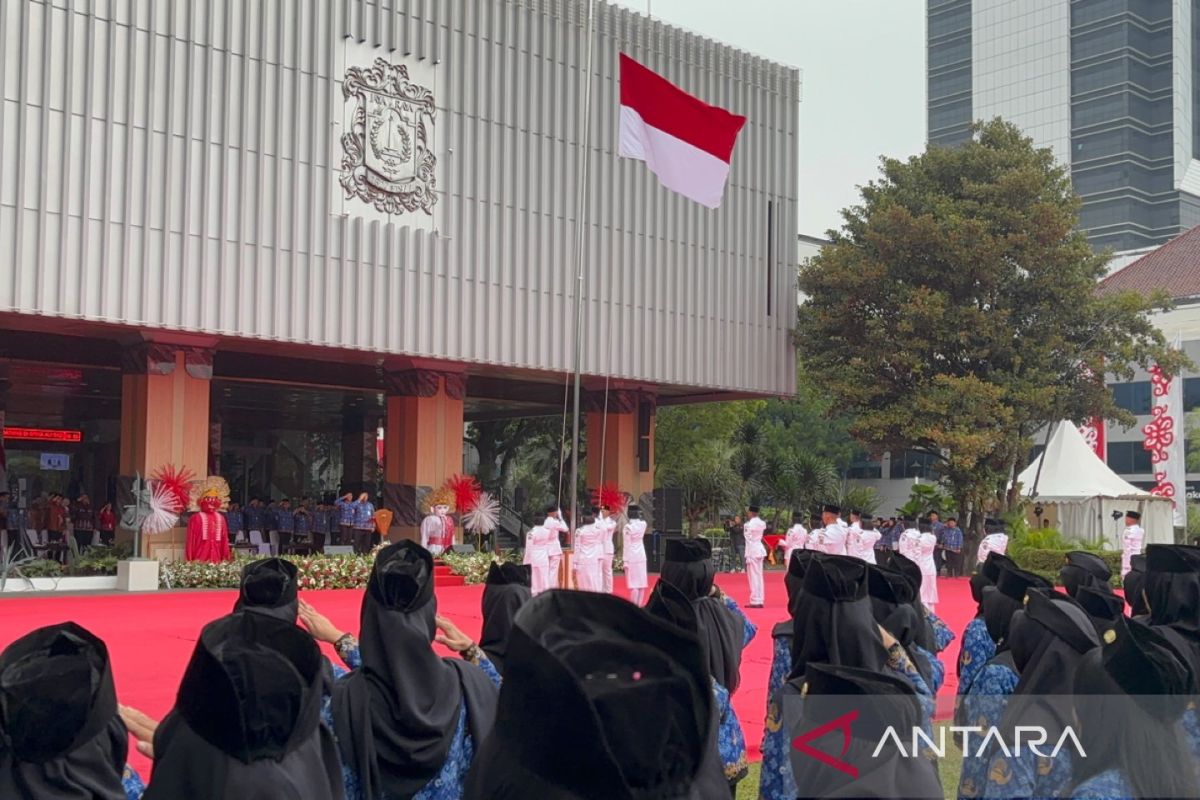
If in 1908 the awakening began from a consciousness to become a nation, then in 2026 the awakening must continue with a consciousness to protect Indonesia’s human capital itself.
Jakarta (ANTARA) – The theme of National Awakening Day (Harkitnas) 118th, May 20, 2026, ‘Guarding the Tunas Bangsa for National Sovereignty’ may seem simple, but it actually holds a deeply meaningful message.
This theme is not merely about children and young generations as successors to the nation. More than that, the theme invites us to reread the meaning of national awakening. A nation does not truly rise only because it has a grand history, but because it can safeguard the generation that will carry that history forward.
The word “tunas” itself is interesting to reflect on. A shoot is still young and fragile, but it contains the possibility to grow. It has just emerged, not yet a large tree, not yet bearing fruit. Therefore, tunas is still vulnerable to strong winds and storms. It needs protection to endure and develop. Caring for the tunas, in the end, is caring for the future.
In the national context, tunas bangsa certainly refers to children, adolescents, and today’s youth. But the meaning does not stop at biological age. Tunas bangsa can also be understood as the entire potential growing in society, from the creativity of young people, literacy ability, digital intelligence, innovation, social sensitivity, entrepreneurial spirit, to national consciousness. All of these are important capital for Indonesia’s future.
Therefore, guarding tunas bangsa is not only about protecting the younger generation from physical threats. More broadly, it means ensuring they grow in a healthy environment, both in terms of education, economy, social, cultural, and digital.
Young people are not enough to be equipped with nationalist advice alone. What they need is quality education, broad access to knowledge, space to be creative, decent jobs, a safe digital environment, and the presence of the state that can make them believe that the future is still worth fighting for.
In that context, the relationship between tunas bangsa and national sovereignty becomes important to understand. All this time, sovereignty is often interpreted as border issues, military power, law, and relations between nations. Yet, in the dynamics of the modern world, sovereignty is not only protected at the border. It is also at stake in the classroom, the job market, data centres, laboratories, fields, seas, industrial zones, social media, and within families.
A country may have vast territory, but if its young generation is weak in education, its long-term sovereignty will easily waver. A country rich in natural resources but lagging in mastering technology will ultimately depend on others.
The same also applies to a country with millions of Internet users, but low digital literacy. They will be easily unsettled by hoaxes, online fraud, and misinformation. Even when the economy appears to be growing, if its young people lose hope for the future, the country is indeed facing a sovereignty crisis in a form that is more subtle and often not noticed.