
Hardiyanto Kenneth: Labour-intensive programmes must provide added value for workers
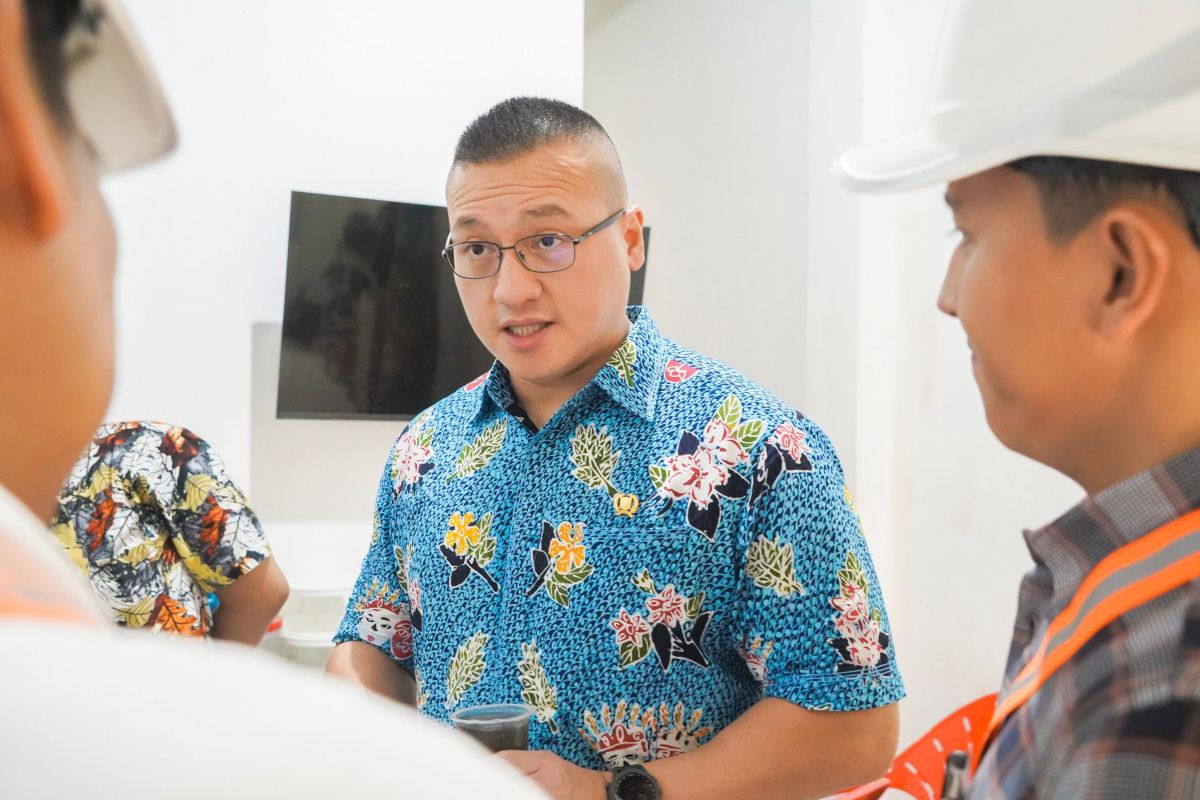
Jakarta DPRD member Hardiyanto Kenneth has stated that the labour-intensive programme to be launched by the Jakarta Provincial Government, which opens 2,843 job vacancies, must provide added value for its workers. “Labour-intensive programmes must be able to provide added value. The community should not just work and then finish. They must gain experience, skills, and competence that can later serve as capital to secure better employment,” Kenneth said in Jakarta on Sunday.
Kenneth welcomed the Jakarta Provincial Government’s move to open 2,843 job vacancies through a labour-intensive scheme with wages aligned with the Jakarta Provincial Minimum Wage (UMP). According to the official, known as Bang Kent, this policy demonstrates the provincial government’s sensitivity and rapid response to the employment conditions that remain a challenge for some residents of Jakarta.
However, Kent warned that the labour-intensive programme should not be positioned solely as a short-term solution to reduce unemployment rates. “This programme must have a long-term orientation; it should not only absorb labour temporarily but also increase the quality of Jakarta’s human resources,” he remarked.
The member of Jakarta’s Commission C assessed that the programme should be developed into a labour development instrument capable of enhancing the skills, productivity, and competitiveness of the community. Therefore, every participant should be placed according to their competence and given the opportunity to enhance their capacity while participating in the programme.
He noted that jobs within the labour-intensive programme need to be designed more specifically and based on the city’s development needs. Potential areas include environmental infrastructure maintenance and other related sectors. Kent also encouraged the maximum involvement of the Jakarta Department of Manpower, Transmigration, and Energy (Disnakertransgi) in the programme’s implementation. He believes the Department of Manpower should act as a bridge between job seekers, skills training, and the needs of the business world.
“Every participant must be well-documented, with their educational background and expertise mapped, and then placed according to their respective competencies. In this way, the programme’s productivity will be more optimal and the results can be tangibly felt,” he added.
Furthermore, Kent requested that the Jakarta Provincial Government optimise the role of the Regional Productivity Development Centre (P3D) as the agency responsible for improving labour quality. Through P3D, programme participants can undergo competency assessments, productivity measurements, and capacity-building training tailored to the needs of the workforce. Additionally, Vocational Training Centres (BLK) must be an integral part of the labour-intensive scheme. According to Kenneth, residents who do not yet possess certain skills should be provided with training both before and during their participation in the programme.
“BLK must be maximised. We must produce a workforce that is ready to compete. Training could include basic construction techniques, welding, electrical work, environmental management, computer operation, office administration, graphic design, digital marketing, culinary arts, to entrepreneurship,” he said.
Kent also emphasised that Jakarta residents (holders of Jakarta ID cards) who are affected by economic conditions and do not yet have permanent employment must be the top priority in the programme’s recruitment. “Unemployed Jakarta residents must be the priority. We want this programme to be precisely targeted,” he concluded.