
Hantavirus Behind Urban Breaths
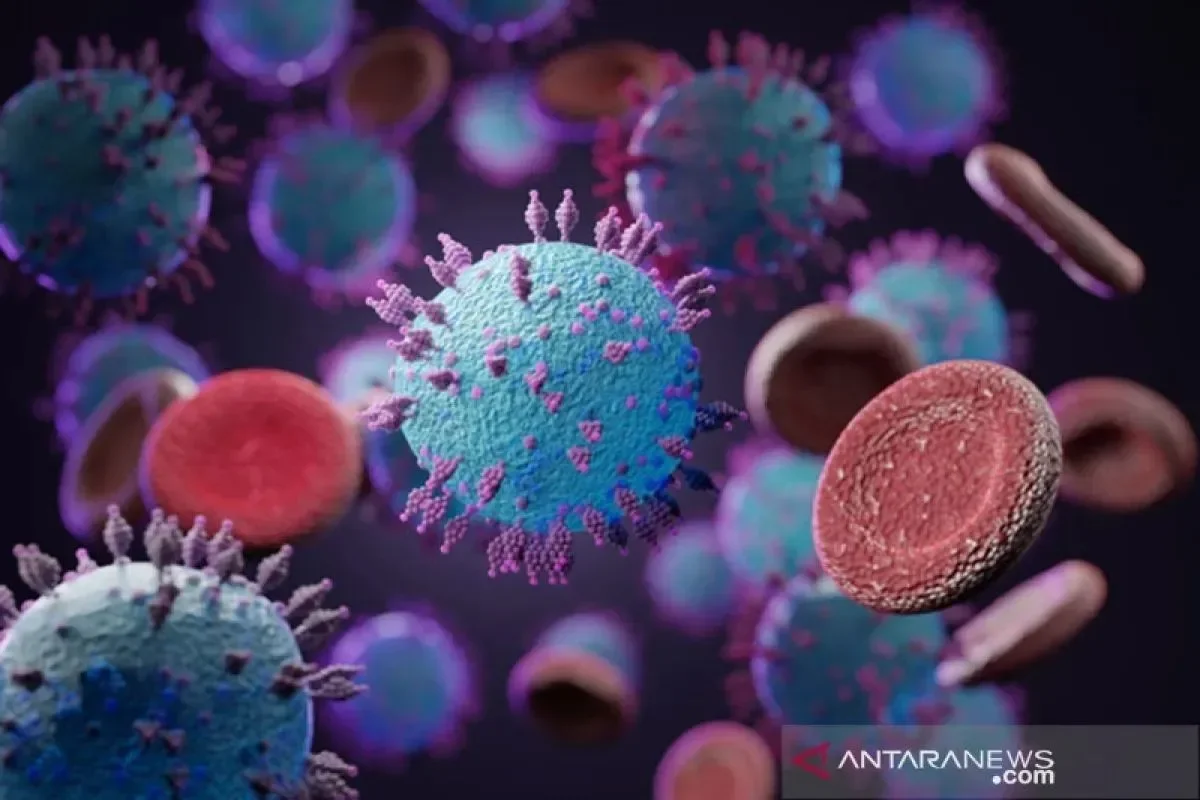
Hantavirus is not merely a medical threat but a reminder of the fragile relationship between humans and their ecosystems. It arrives silently, without exploding like a major outbreak, and it is precisely for this reason that it is often overlooked.
Surabaya (ANTARA) - Amid the hustle and bustle of a city that never truly sleeps, there are small spaces that often escape attention, such as slowly flowing drains, old warehouses in market corners, and piles of rubbish awaiting collection.
It is in these spaces that another form of life moves quietly. Rats, as one of the main hosts of hantavirus, make the urban environment an invisible yet real home.
Hantavirus is not a new name in the world of health. This virus has long been known as a zoonosis that transfers from rodents to humans, particularly through exposure to dried rat urine, faeces, or saliva inhaled in aerosol form.
Nevertheless, it rarely emerges as a major outbreak. Its nature is sporadic, scattered, and often hidden behind symptoms resembling a common flu.
This condition makes it challenging. Initial symptoms such as fever, muscle pain, and fatigue are often not recognised as something serious. Yet in some cases, particularly with hantavirus pulmonary syndrome, the condition can rapidly progress to acute respiratory distress and organ failure. The fatality rate in severe cases can reach tens of percent if not treated promptly.
In Indonesia, vigilance is increasing, although no confirmed positive cases have been found to date in several regions, including Surabaya City, East Java. The local Health Office emphasises that early detection is key, not panic. This emphasis is important, as global experience shows that excessive responses without basis can disrupt public health control efforts.
On the other hand, environmental issues become a critical point that cannot be ignored. Rapid urbanisation, suboptimal waste management, and dense settlements create an ideal ecosystem for rat population growth. In this context, hantavirus is not just a medical issue but also a mirror of the quality of urban environmental governance.
Global Alarm
Cases emerging on the MV Hondius cruise ship in the Atlantic Ocean provide another picture of how this disease moves in modern spaces. In enclosed environments with high human mobility, zoonotic viruses can find new transmission routes, although still limited.
Reports from the World Health Organization (WHO) indicate several confirmed cases of the Andes virus on the ship, with some patients experiencing severe symptoms leading to death. However, an important note is the affirmation that the risk of human-to-human transmission remains low and does not resemble pandemic patterns like COVID-19.
This situation illustrates one thing: globalisation not only accelerates human movement but also speeds up disease detection. International reporting systems, cross-border coordination, and quarantine and disinfection mechanisms are part of the rapid response that prevents wider escalation.
Yet, behind these technical responses, there are challenges in risk communication. When information about rare diseases spreads faster than public understanding, panic can easily form. Therefore, global and national health institutions are required to convey information proportionally, without downplaying but also without exaggerating the threat.
In Indonesia, the Ministry of Health has begun preparing screening and early detection scenarios, including the possible use of temperature scanners at public transport entrances. Although simple, this step demonstrates a layered preventive approach, particularly for detecting early symptoms of infectious diseases that are difficult to distinguish from common respiratory infections.
At the same time, the Indonesian Paediatricians Association and epidemiologists emphasise that the main focus should remain on clean and healthy living behaviours. Behaviour-based prevention is considered more effective than reliance solely on medical technology, especially for diseases without specific vaccines.
Policy Path
Hantavirus teaches that preparedness does not always mean waiting for a major crisis to occur. Instead, it demands that the health system operate in a consistent prevention mode. In the Indonesian context, there are three layers that need to be strengthened: the environment, the health system, and public behaviour.
First, environmental control. More disciplined waste management, sanitation improvements, and rat population control in densely populated areas become the main foundation. Without that, the risk chain will remain open. These efforts cannot be solely shouldered by the government but require active participation from the community and business actors.
Second, strengthening early detection systems. Health laboratories must be able to differentiate flu-like symptoms more quickly and accurately. Data-based surveillance, including integration of health facility reports, is important so that potential cases can be recognised early before they spread further.
Third, consistent public education. The public needs to understand that not all infectious diseases follow the same pattern as major pandemics like COVID-19. Hantavirus, for example, does not transmit easily between humans, so the required response is more about individual and environmental vigilance, not mass panic.
In terms of policy, the One Health approach is relevant. Human health cannot be separated from animal and environmental health. Climate change, deforestation, and urban expansion also influence zoonotic disease dynamics. Therefore, health policies need to synergise with spatial planning, environmental, and agricultural policies.
Indonesia, as a country with biodiversity