
Hanafi: From itinerant trader to breaking into Southeast Asia's markets
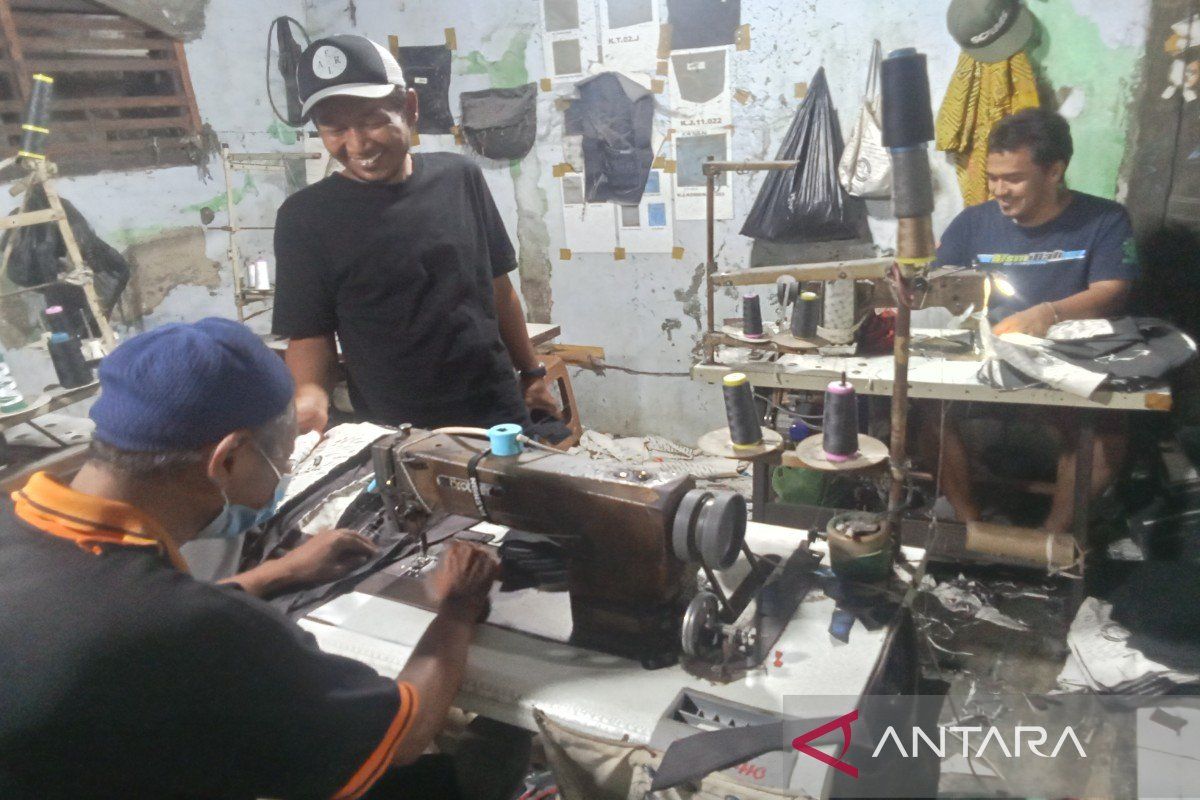
In a modest production house, the constant hum of sewing machines is not only a sign that production is underway. It is also a sign that a small business built on perseverance can provide livelihoods for many people.
Pekalongan — The roar of sewing machines was heard from a simple production house in Paesan Utara Village, Kedungwuni District, Pekalongan Regency, Central Java.
Inside the house, piles of canvas fabric filled the corners of the work benches. Dozens of hands were busy stitching piece by piece of fabric into ready-to-wear pants.
Among the sewing staff, Iswandi (57) appeared the most diligent. With movements trained over many years, he tidied the fabric before entering the next sewing stage. From time to time he looked up, ensuring the stitching remained neat before it moved to the finishing section.
For Iswandi, that place is more than just a workplace. The production house owned by Hanafi with the fashion label “Al Cloth” has become a livelihood for him and many local tailors.
“If the business is busy, we also feel it,” Iswandi said briefly while remaining focused on his work.
Iswandi is only one of around 25 local-venue tailors who now depend on the momentum of Al Cloth’s business. The enterprise originated from the long journey of a small trader named Hanafi (40), a resident of Jalan Sepuran No. 139, Sopaten, Kedungwuni Barat.
Behind the growth of the canvas pant business lies Hanafi’s story of ups and downs not short. The path he took was far from instant.
Before he was known as a successful UMKM entrepreneur, Hanafi started life as a trader peddling batik to various regions such as Semarang, Solo, and Yogyakarta. He once felt the harshness of offering goods from market to market, seeking customers, and waiting for buyers who did not always come.
“Initially I was trusted by people to market batik products. That profit I then developed into online selling,” he said.
He still remembers how he first stepped into the trading world when he was at Pasar Banjarsari. From there, he met contacts from Buaran area in Pekalongan Regency, who later invited him to collaborate selling batik fabric.
Trade at that time relied entirely on conventional methods. Hanafi went around with his wares, moving from city to city. But gradually he began to see changes in consumer behaviour. People became familiar with the internet and social media, while shopping patterns shifted to digital platforms.
Although still actively selling in person from 2015 to 2016, Hanafi began to try his luck in the online world. In 2017, a colleague invited him to market products via Facebook.
“At first I was invited by a friend to sell online on Facebook. I didn’t think much about it at the time. But after seeing the growing consumer interest, it turned out to be good,” he said.
From there, his mind opened. He realised the market was no longer limited to physical stores or local regions. The digital world offered much broader opportunities. Hanafi then began thinking about how his products could continue to develop and be liked by consumers.
That choice proved to be a crucial turning point in his business journey.