
Half of Indonesian Women Manage Household Finances
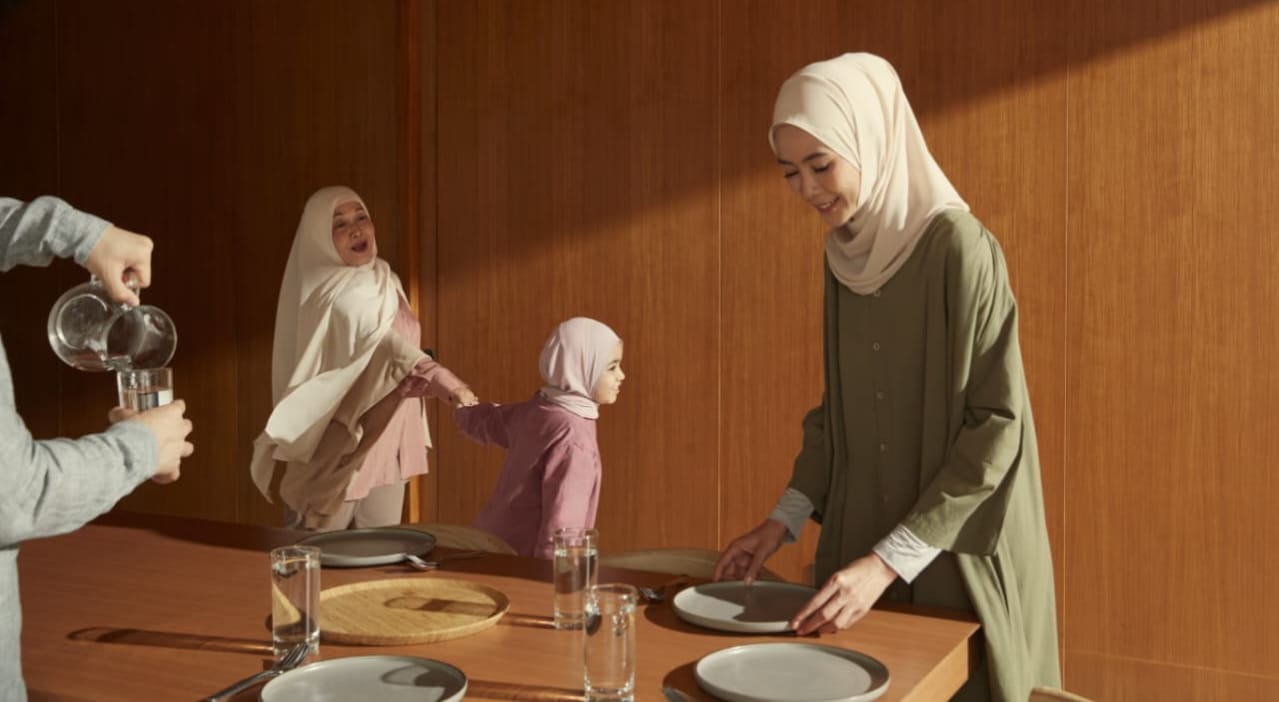
A study by Sun Life titled Women’s Wealth in Focus: When Care Comes First has found that half of Indonesian women assume the primary role of managing household finances. However, only a small proportion feel adequately prepared to face sudden financial risks.
Maika Randini, Chief Client and Marketing Officer of Sun Life Indonesia, stated that women’s role in managing family finances becomes increasingly evident during Ramadan, when household activities and shopping needs intensify.
“According to the Sun Life Women’s Wealth in Focus study, half of Indonesian women manage daily household budgets independently, yet only a small proportion feel prepared to face unexpected financial risks,” Maika said in her statement.
During Ramadan, mothers not only arrange meals for suhoor and breaking of fast, but also manage kitchen shopping, prepare new money for Eid celebrations, and ensure children’s needs are met. These circumstances frequently lead to increased household expenditures, particularly due to rising prices of basic goods and holiday necessities.
Consequently, Ramadan is viewed as an opportune moment for families to reorganise their household financial strategy to maintain stability.
Maika explained several steps families can take to maintain financial health. One approach involves separating routine monthly budgets from special Ramadan or Eid funds.
“Use monthly salary for routine operations, whilst holiday allowances can be allocated for additional needs during Eid to keep budgets under control,” she said.
Additionally, she considers it important for parents to begin preparing educational funds for their children early. Ramadan can be utilised as a time to evaluate family financial plans, including ensuring children’s education savings remain protected from potential risks.
Maika also encouraged parents to use the Eid occasion to introduce financial literacy to children. One method involves giving pocket money that can be divided into several categories such as savings, pocket money for spending, and charitable giving.
“Through this simple approach, children can learn to manage money and understand the importance of spending wisely from an early age,” she said.
Furthermore, she emphasised the importance of health protection for mothers as the family’s pillar. According to her, maternal health significantly affects household economic stability.
“Mother’s health is the greatest asset in a family. Health protection can help maintain family economic stability if health risks occur,” Maika stated.
She added that from an Islamic values perspective, efforts to protect the family also constitute part of ikhtiar (earnest endeavour) before surrendering to God’s will.
“In Islamic values, protecting one’s family is part of ikhtiar—efforts undertaken with good intentions before ultimately surrendering to Allah,” she said.
Maika noted that Sharia-compliant insurance services can serve as an alternative form of financial protection for families. This system emphasises the principle of mutual assistance, or tabarru’, in which participants help each other face various life risks transparently in accordance with Sharia principles.
According to her, the purpose of financial management during Ramadan and Eid is not merely to fulfil holiday needs, but also to ensure the family’s financial condition remains secure afterwards.
“The purpose of holiday allowances is not only to make Eid celebrations festive, but also to help families remain financially secure afterwards,” Maika said.
She believes Ramadan serves not only as a time to manage expenditures, but also as an opportunity for families to plan their financial future more carefully.